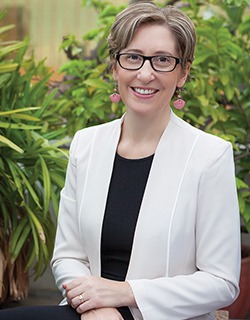
Last November we launched the UCD strategy to 2030, Breaking Boundaries, to mobilise the great ambition and potential within our university community to respond to the challenges and opportunities of a rapidly changing world.
This strategy sets out the ambitious path University College Dublin will follow over the next five years.
Under the strategy, UCD will break the boundaries of existing knowledge through our cutting-edge research, scholarship and innovation, and will advance with ambition our positive impact on Ireland, on the world and on the lives of our students.
Since our foundation in 1854 in Newman House, University College Dublin has seen extraordinary growth in scale and societal impact.
From having a central role in the foundation of the Irish State in 1922 to the building and launching of Ireland’s first space satellite EIRSAT-1 in 2023, UCD has always been at the heart of Irish society, science, economy, and culture.
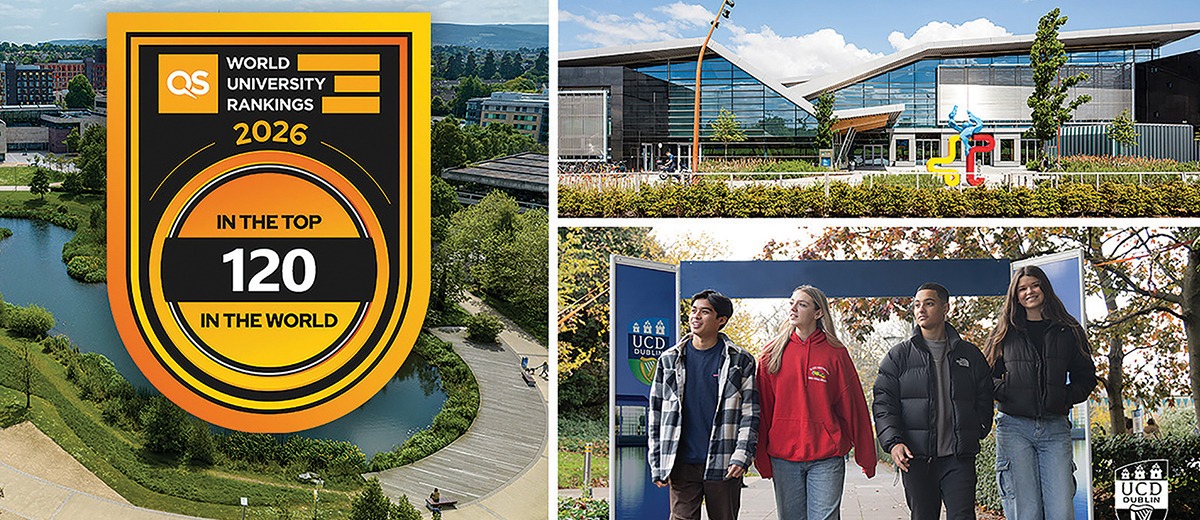
Today, UCD is Ireland’s largest and most influential university, ranked 118 in the world in the latest QS World University Rankings.
As we progress under our new strategy, you will see UCD continue to deliver ground-breaking research. We are particularly focused on areas that will directly impact the defining issues of our time, including the transformative potential of artificial intelligence, the interconnectedness of One Health, and the power of societal transformations.
We will establish an AI institute that brings together our capabilities in digital technologies research, education, ethics and policy to expand on the myriad strengths our community has in this critical area.
We will also further enhance our leadership in knowledge generation, learning, and action across the vital sustainability agenda, striving to achieve net-zero carbon emissions by 2040.
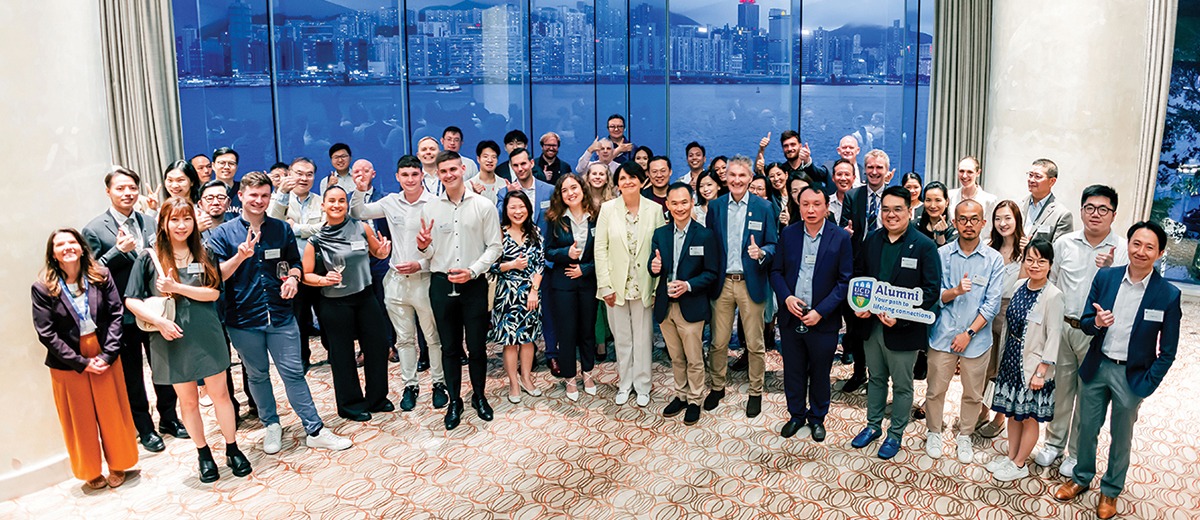
UCD is a university with Irish roots and global reach, and nowhere is this more visible than through our alumni.”
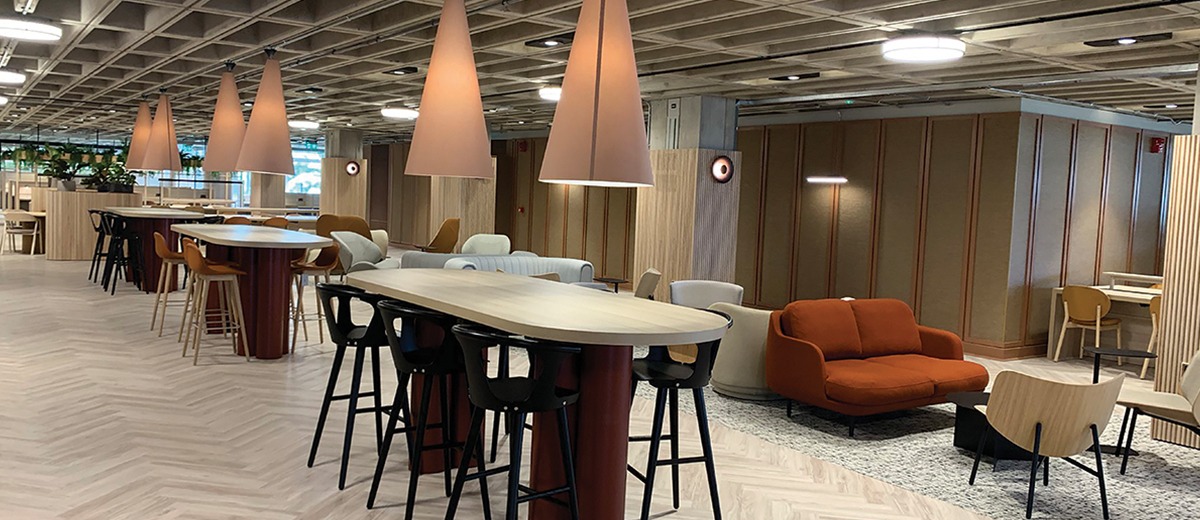
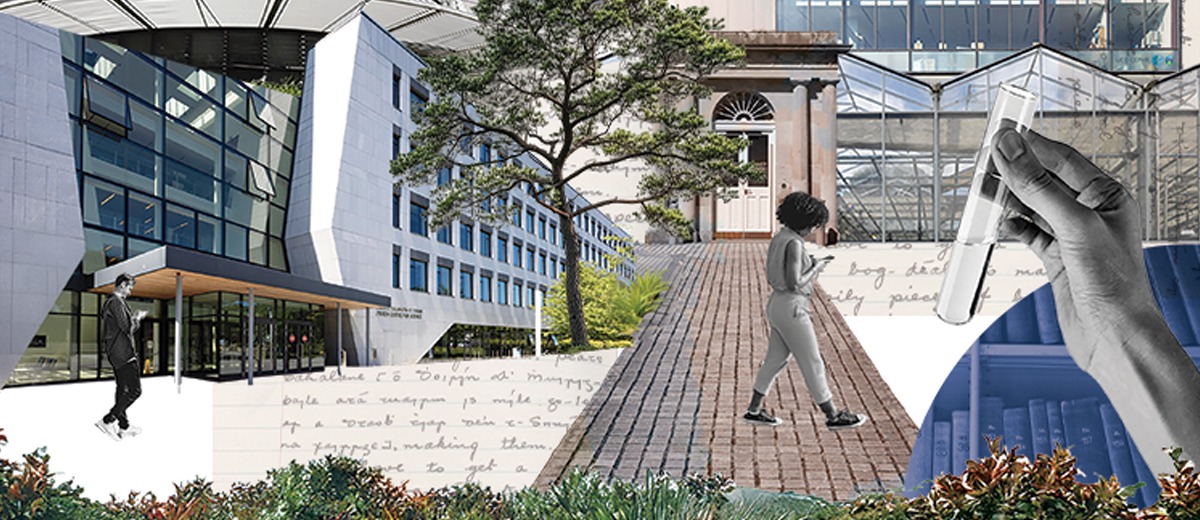
Level three, James Joyce Library, UCD – RICHARD HATCH PHOTOGRAPHY.
Our role as a champion and steward of Irish culture and heritage will become even more visible. To support this, we are expanding and broadening access to the political papers, literary archives, and the National Folklore Collection held in the James Joyce Library.
And by supporting an ever more diverse range of students to truly realise their potential through an enriching and empowering education, we will continue our proud tradition of producing Ireland’s most highly sought-after graduates.
First-time visitors to the campus, returning alumni, and our staff and students continually make reference to how the Belfield campus has been transformed over recent years, becoming a beautiful, world-class, environmentally friendly campus and a treasure for our community.
Under our new strategy, the University will continue to develop our outstanding physical campuses, setting new standards and enhancing the experience for every member of our community. To this end, two of our key campus developments, a new Centre for Learning and Science Phase III, are very well advanced, supporting our ambitions for research, education and the student experience.
Work has also begun on the next expansion of our outstanding sports facilities in Belfield. This major development includes a new three-storey multipurpose sports hall beside the existing Sports Centre that will also serve as an examination centre, allowing us to hold our end-of-term exams on campus again for the first time in many years.
Many of you will – with a mix of emotions – remember the James Joyce Library in Belfield. Some of you, I’m sure, will even have had your favourite seats there as students. This once plain, functional environment is being completely remodelled, reshaped and refitted to create an inspirational 21st-century space.
Phase one of this redevelopment delivered a total transformation of the third floor, and phase two will continue this work, supporting student learning and also safeguarding and showcasing our remarkable cultural collections.
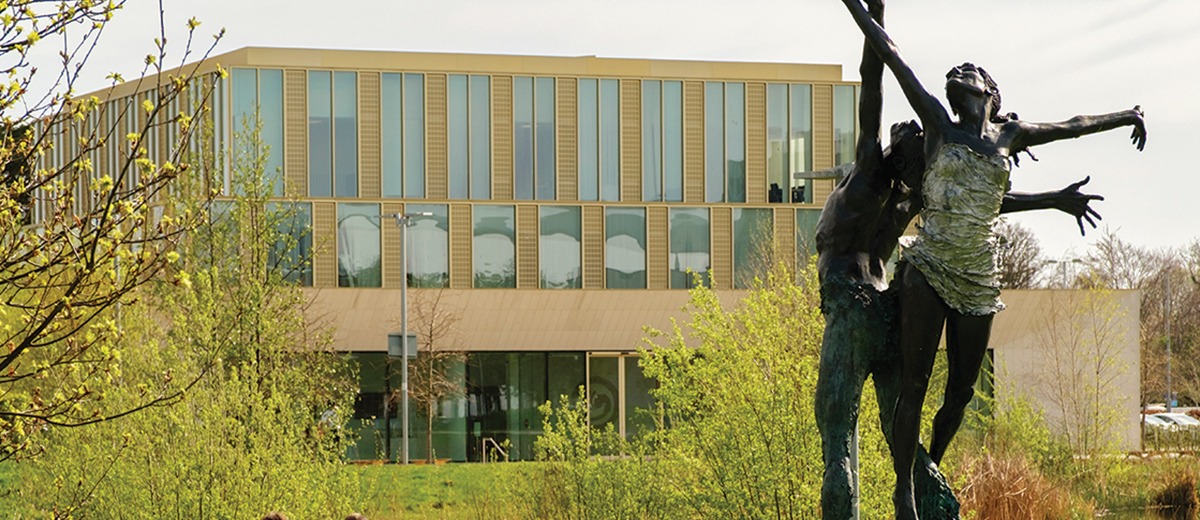
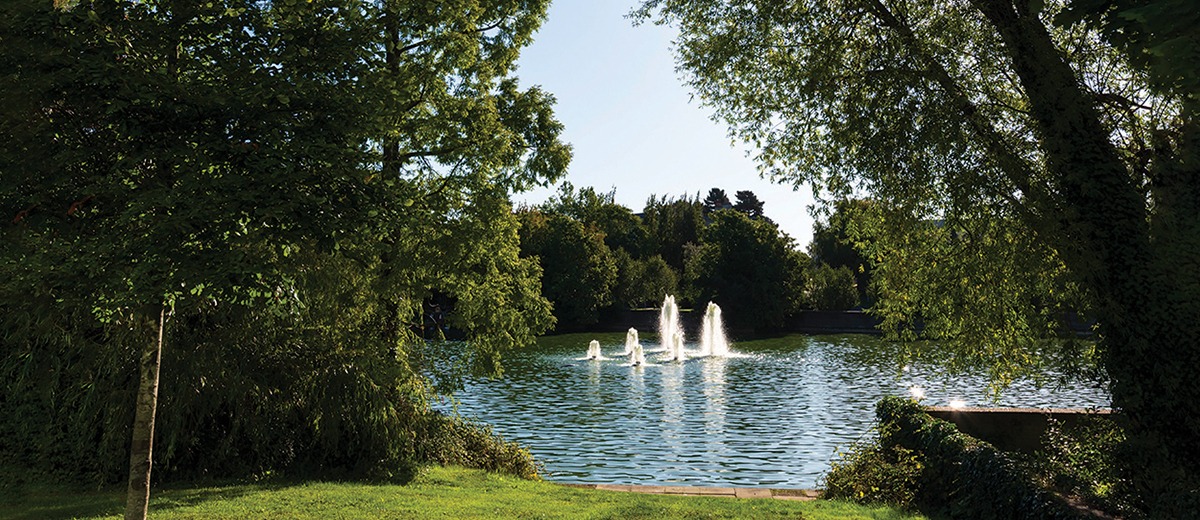
‘Wind and Water’ beside the upper lake. Photo: Vincent Hoban, UCD.
Balanced with these large-scale infrastructural developments is the enhanced greener campus footprint we are creating throughout Belfield, with continuous landscaping and tree planting. Today, our Belfield campus is home to over 50,000 trees and some 8 kilometres of scenic woodland walks, contributing to UCD earning its ranking as No. 1 in Ireland and 49th in the world for Sustainability, according to QS.
We also continue to enhance our campuses beyond Belfield, including major developments on the magnificent Lyons Farm.
UCD is a university with Irish roots and global reach, and nowhere is this more visible than through our alumni. Under our new strategy, we hope that our alumni will feel an enhanced connection to UCD.
Meeting alumni across the world has been one of the enormous pleasures of my time as President. There is nothing more energising than meeting graduates who speak with excitement about the positive impact UCD has had on their lives.
Last year alone, over 2,000 alumni generously volunteered as career mentors, alumni buddies, alumni chapter representatives at locations around the world, at the UCD Festival, and at other events on our campuses.
We could not achieve our ambitions for UCD without the support of our alumni, and I thank all of you who contribute to our university. It is this vibrant engagement that truly embodies the strength and values of our global community.
I invite you to reach out and engage with some of your fellow 334,000 alumni across 184 countries, some of whose inspiring stories you will find in the pages of this magazine.
I also encourage you to come and visit our main campus at Belfield to witness, first-hand, the remarkable transformation at all levels, empowering a university with a truly global ambition.
UCD College of Social Sciences and Law continues to excel as a university leader in education, research and engagement. This was demonstrated in the 2025 published rankings, where the College was ranked in the 125-150 category in the Times Higher Education Subject Rankings and had four top 100 subjects listed in the QS rankings.
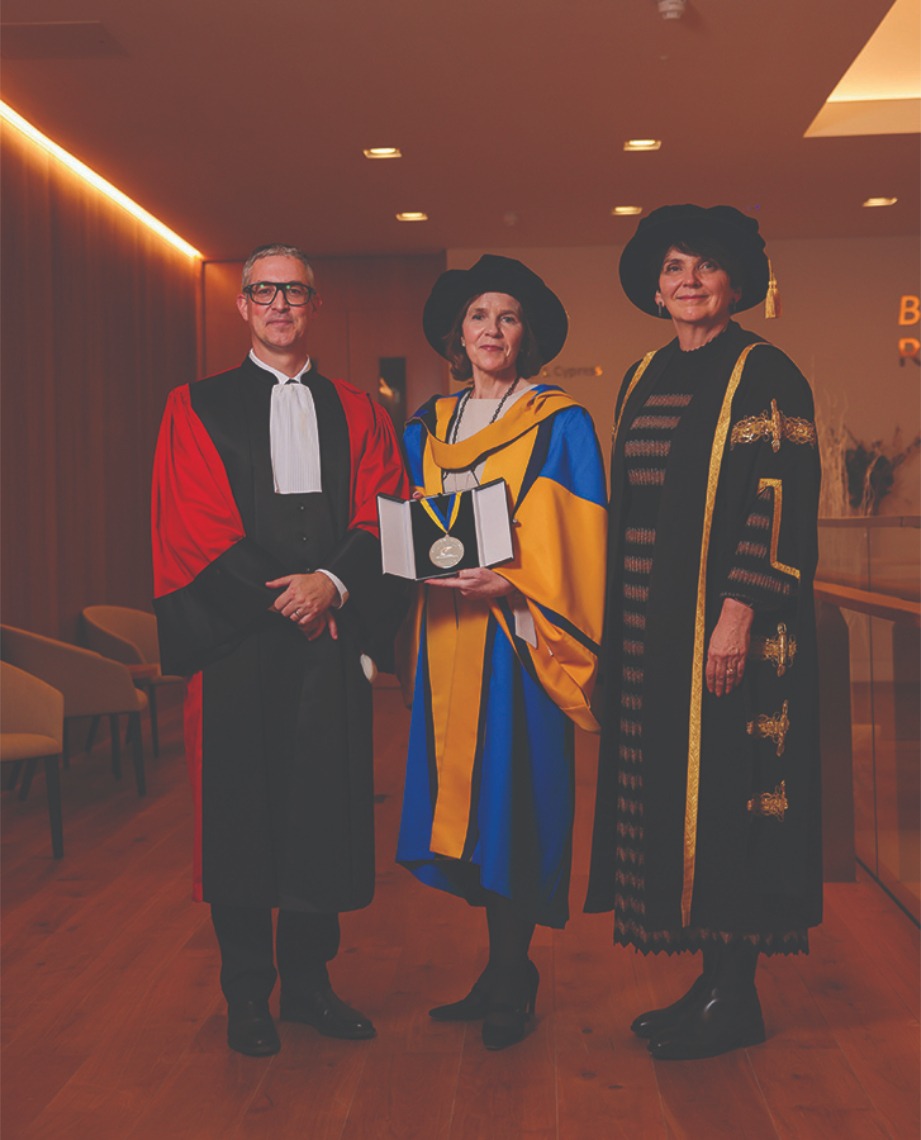
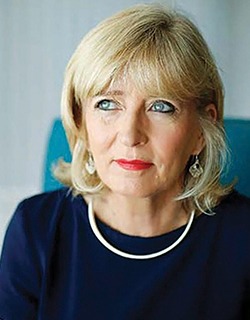
We are immensely proud of the contributions of our alumni community, who are integral to changing and influencing our society for good. In December 2024, UCD School of Law alumna, Ms Justice Síofra O’Leary, the first female President of the European Court of Human Rights (ECHR), was awarded the UCD Ulysses Medal. Awarding the medal, the highest honour that UCD can bestow, UCD President, Professor Orla Feely said: “This award recognises Judge Síofra O’Leary’s remarkable contribution to human rights law over the course of an illustrious career as a legal scholar, judge, and judicial statesperson,” and commented on what a powerful role model she is for UCD students.
In January, we celebrated 90 years of Social Policy, Social Work and Sociology at UCD with a panel event featuring alumni from the programme. This celebration highlighted a proud history of interdisciplinary collaboration, research excellence, and impactful education, rooted in the establishment of the Diploma in Social Science in 1934. Alumni panellists included Frances Fitzgerald, Gender Advisory Committee to G7, former MEP and Tánaiste; Richie Stafford, Assistant Principal, Drugs Policy, Refugee & Inclusion Health Unit, Department of Health; and Rory O’Carroll, Senior Social Worker, National Forensic Mental Health Service, HSE.
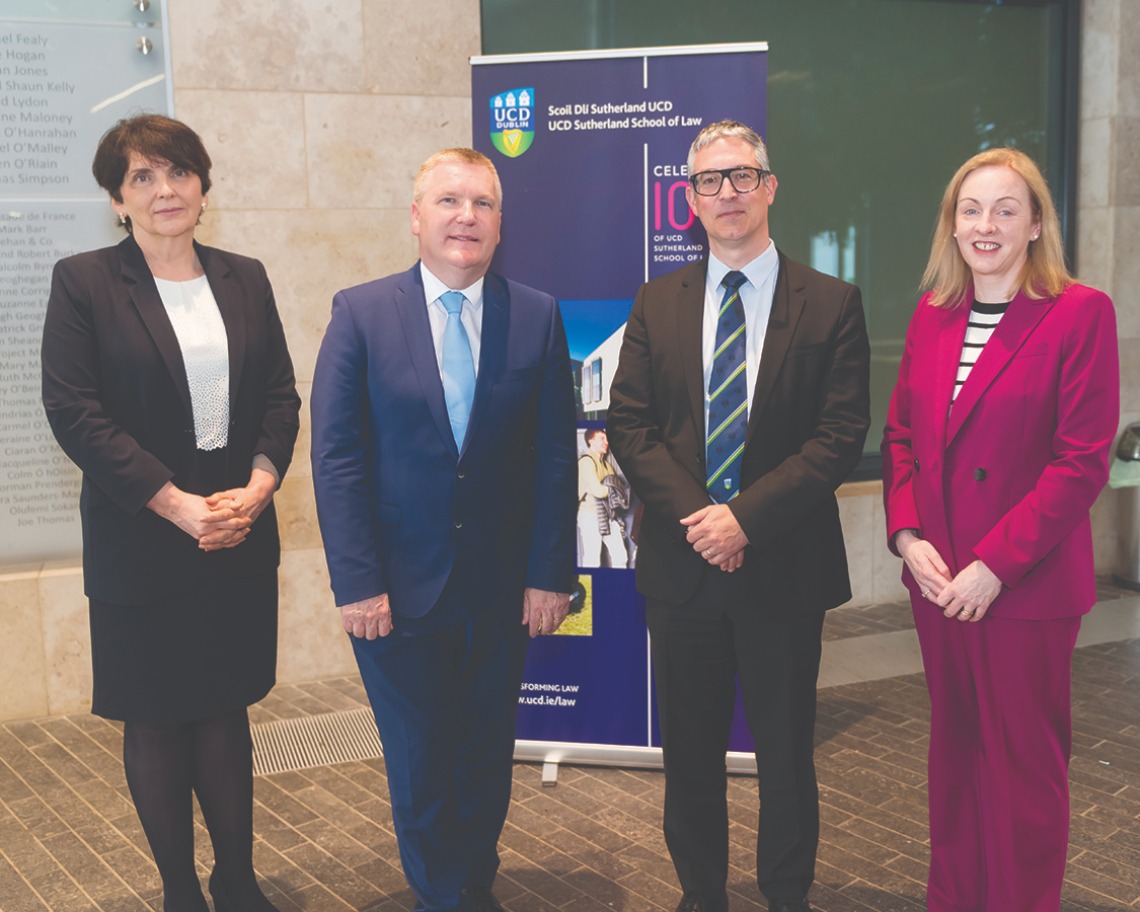
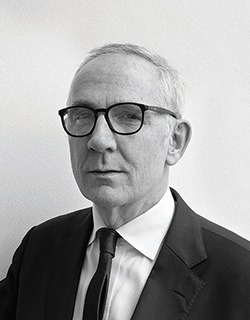
In early April, UCD Sutherland School of Law welcomed Michael McGrath, EU Commissioner for Democracy, Justice, the Rule of Law and Consumer Protection, to deliver a lecture. The Commissioner described the student audience as “the next generation of solicitors, barristers, prosecutors, government officials, and judges – both for Ireland and for Europe”.
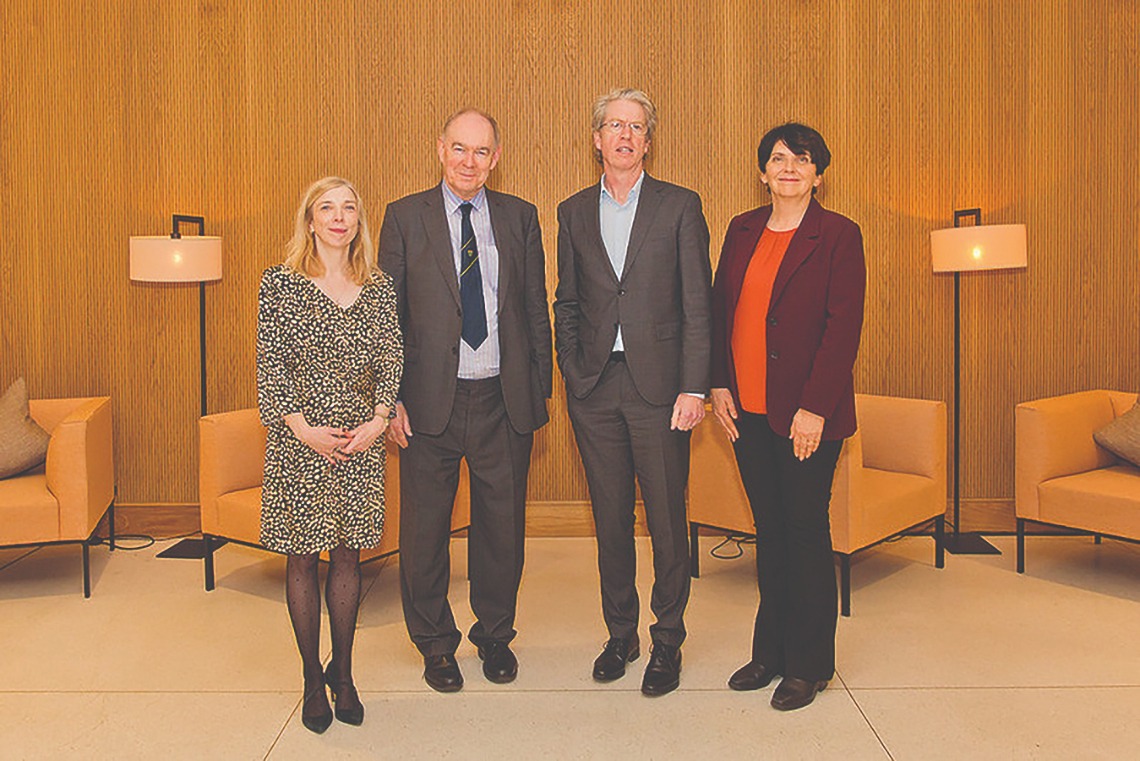
The annual John M. Kelly lecture was held in April in a packed auditorium at UCD Sutherland School of Law. The audience was welcomed by Professor Laurent Pech, Dean of Law, followed by distinguished alumnus Mr Justice Donal O’Donnell, Chief Justice of Ireland, who introduced Professor Kim Lane Scheppele of Princeton University. Professor Scheppele captivated the audience with a far-reaching and insightful lecture on ‘Democracy in Danger: The Global Challenge of Autocratic Legalism’.
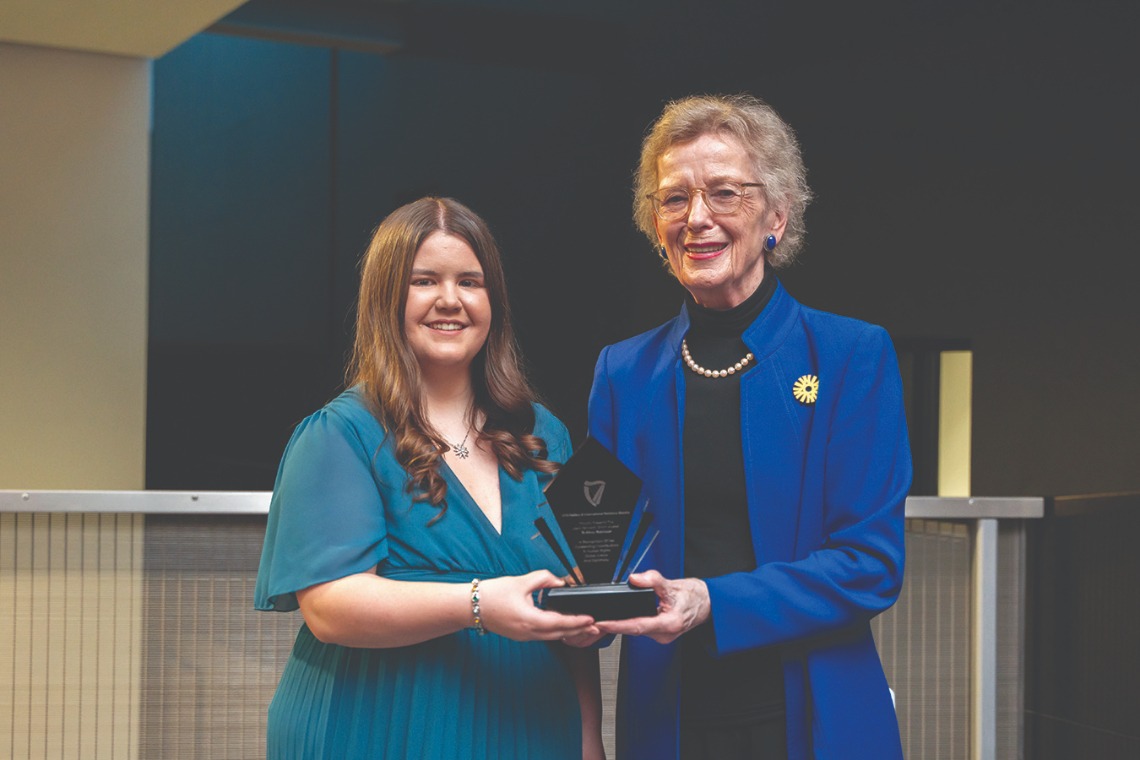
In April, the College’s Politics and International Relations student society celebrated its ten-year anniversary by presenting the Jean Kennedy Smith award to former President of Ireland, Mary Robinson, in recognition of her work on human rights, global justice and diplomacy. At the event, Robinson gave insights into the importance of civil society in upholding and supporting human rights and encouraged the students to use their voices for good just as their predecessors have done.
The College’s exceptional research performance was demonstrated in the most recent European Research Council Consolidator (ERC) awards. Four of six awards made nationally were made to colleagues from three schools within the College: Associate Professor Ruth Boeker, UCD School of Philosophy; Associate Professor Lai Ma, UCD School of Information and Communication Studies, and Professor Cathryn Costello and Professor Maebh Harding, both from UCD Sutherland School of Law. In addition, a new €3 million Horizon Europe EU research project led by UCD Centre for Digital Policy, exploring the benefits and risks of Artificial Intelligence (AI) from a societal perspective in order to enhance AI capabilities and EU regulatory frameworks, commenced in February. The FORSEE (Forging Successful AI Applications for European Economy and Society) is led by Dr Elizabeth Farries, Director of UCD Centre for Digital Policy. The consortium includes eight partners from universities, research institutions and think tanks across six European countries.
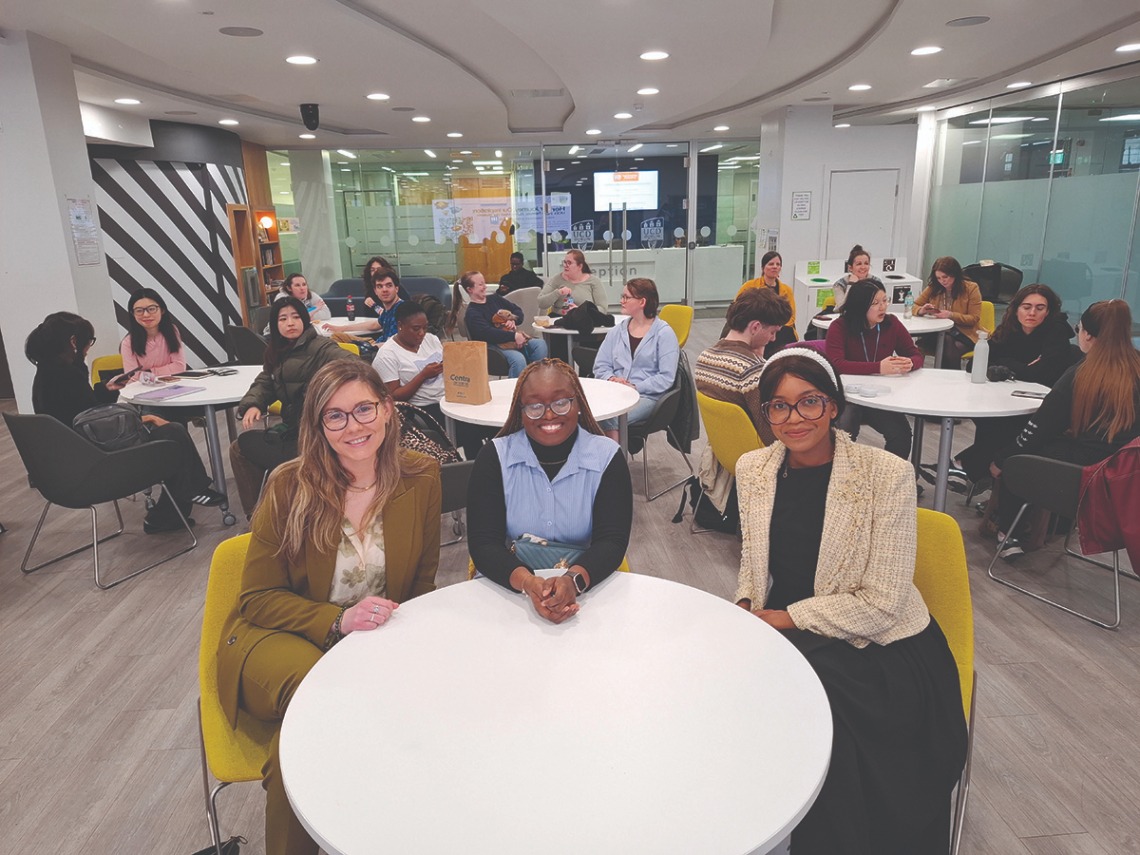
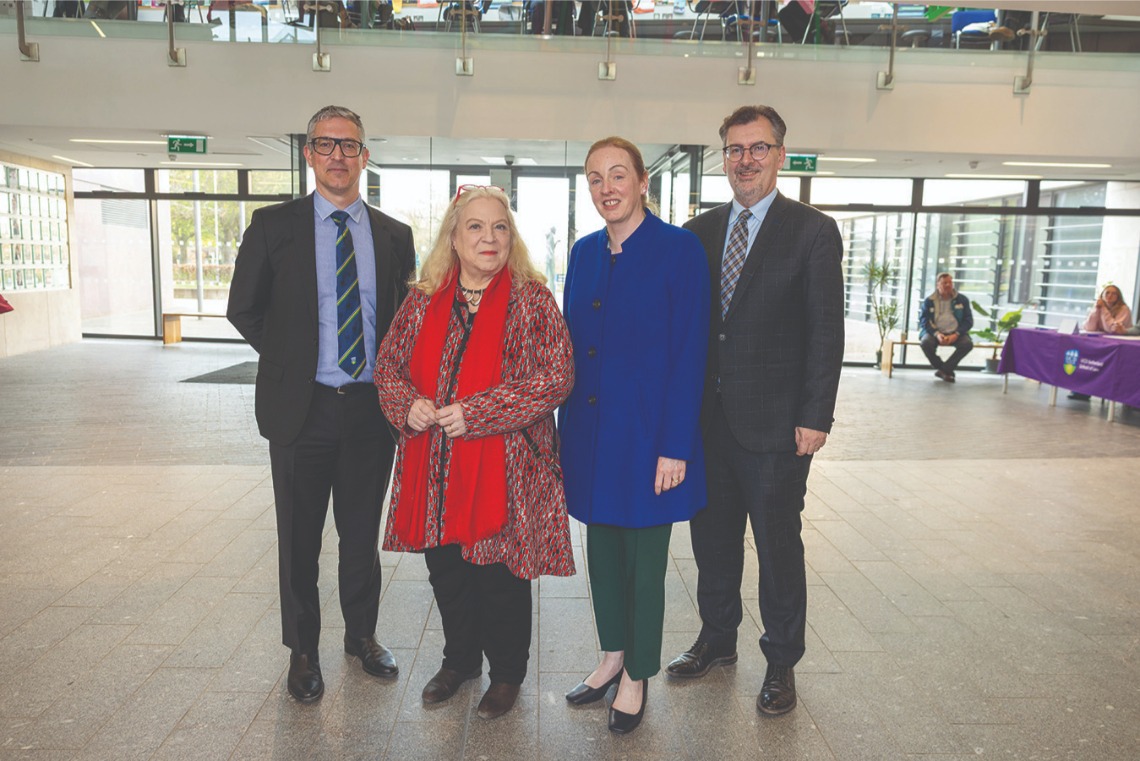
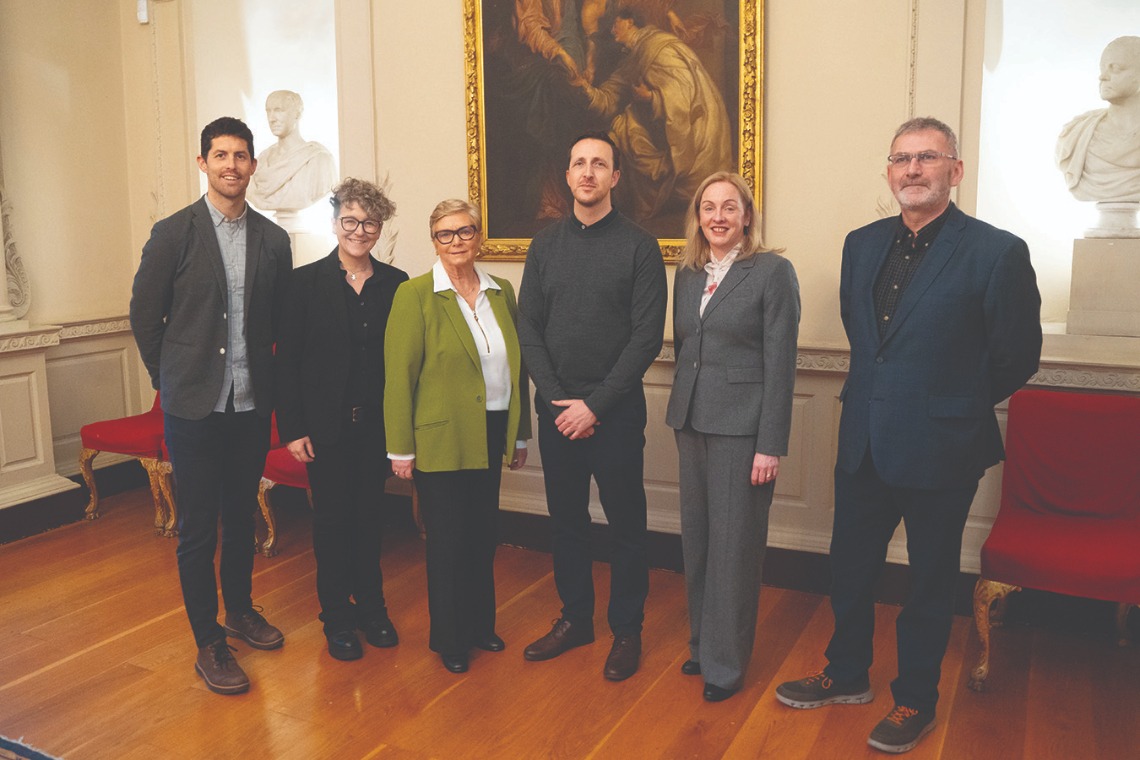
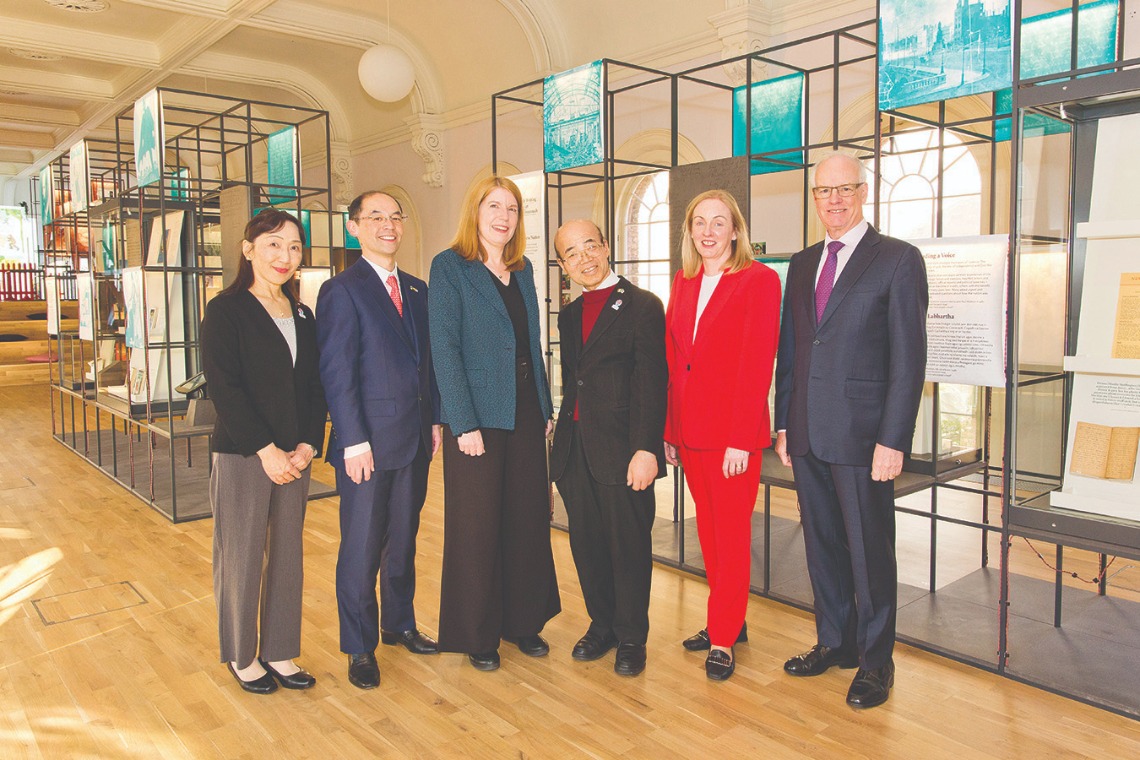
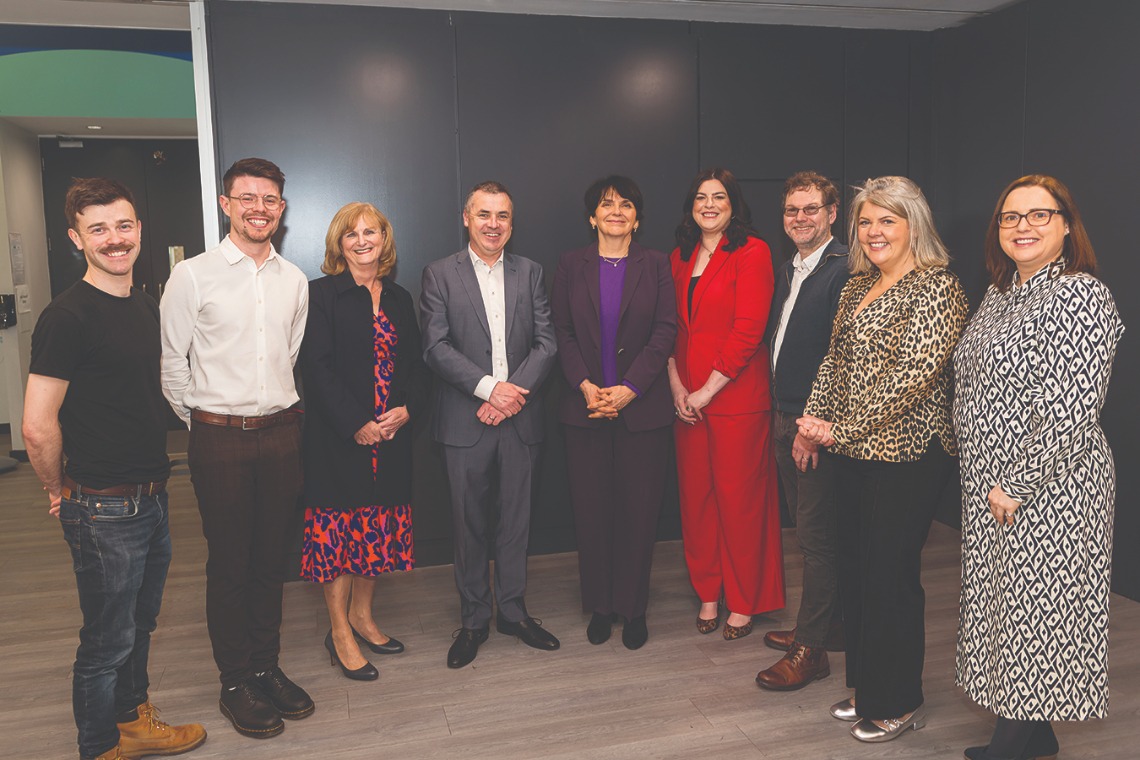
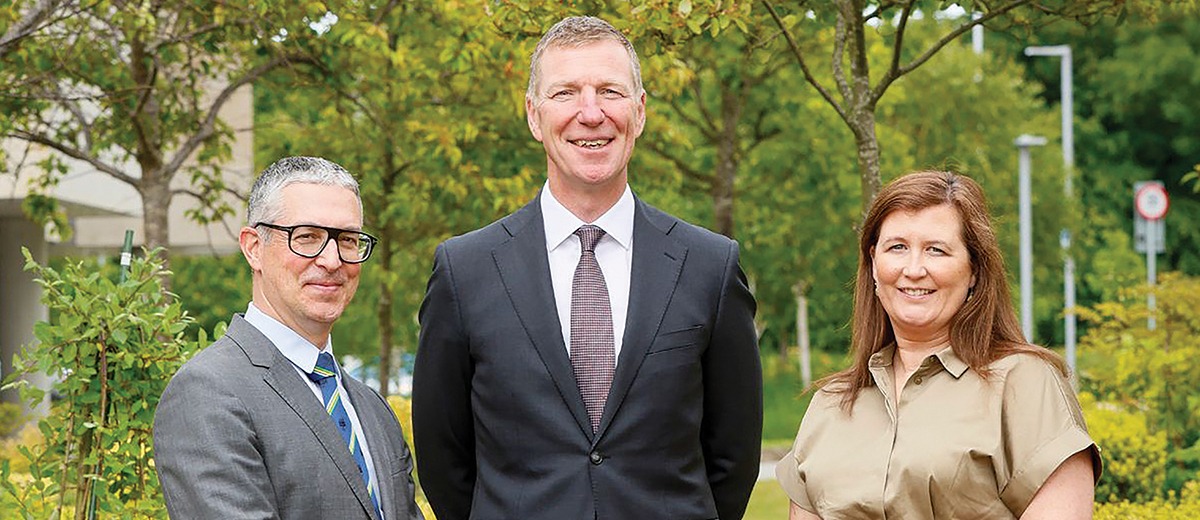
Dean of Law, Prof. Laurent Pech, Judge Síofra O’Leary and UCD President, Prof. Orla Feely, at the Ulysses Medal ceremony.UCD President, Prof. Orla Feely, EU Commissioner Michael McGrath, Prof. Laurent Pech and Principal of the College of Social Sciences & Law, Prof. Niamh Moore-Cherry.Claudia Walsh, Oyinkan Adebimpe and Tarisai May Chidawanyika returned to campus to share their experiences with students and staff at an International Women’s Day event in March.Prof. Laurent Pech, Prof. Kim Lane Scheppele, Prof. Niamh Moore-Cherry and UCD Registrar, Prof. Colin Scott at the 2025 John M. Kelly Memorial Lecture.Rory O’Carroll, Assoc. Prof. Aideen Quilty, Frances Fitzgerald, Richie Stafford, Prof. Niamh Moore-Cherry and Assoc. Prof. Aogan Mulcahy at the Social Policy, Social Work and Sociology 90th anniversary event.Politics Student Society Auditor Aisling Maloney and former President, Mary Robinson.Attending the UCD Centre for Japanese Studies seminar at MoLI: Mrs Shimada, Assoc. Prof. Naonori Kodate (UCD), Prof. Christina Davis (Harvard University), H.E. Mr Junji Shimada (Ambassador of Japan to Ireland), Prof. Niamh Moore-Cherry, Adjunct Prof. John Neary, former Ambassador of Ireland to Japan (2011-14).
It has been another incredible year of activities and achievements across the College of Science. Our students continue to excel both inside and outside the classroom. From a Royal Irish Academy Award to competing at the Olympics, their accomplishments are a testament to their talent and the dedication of faculty and staff.
Research across the College continues to be impactful, from ground-breaking work developing weather and climate services using AI and data science, to innovative and sustainable solutions to decarbonisation.
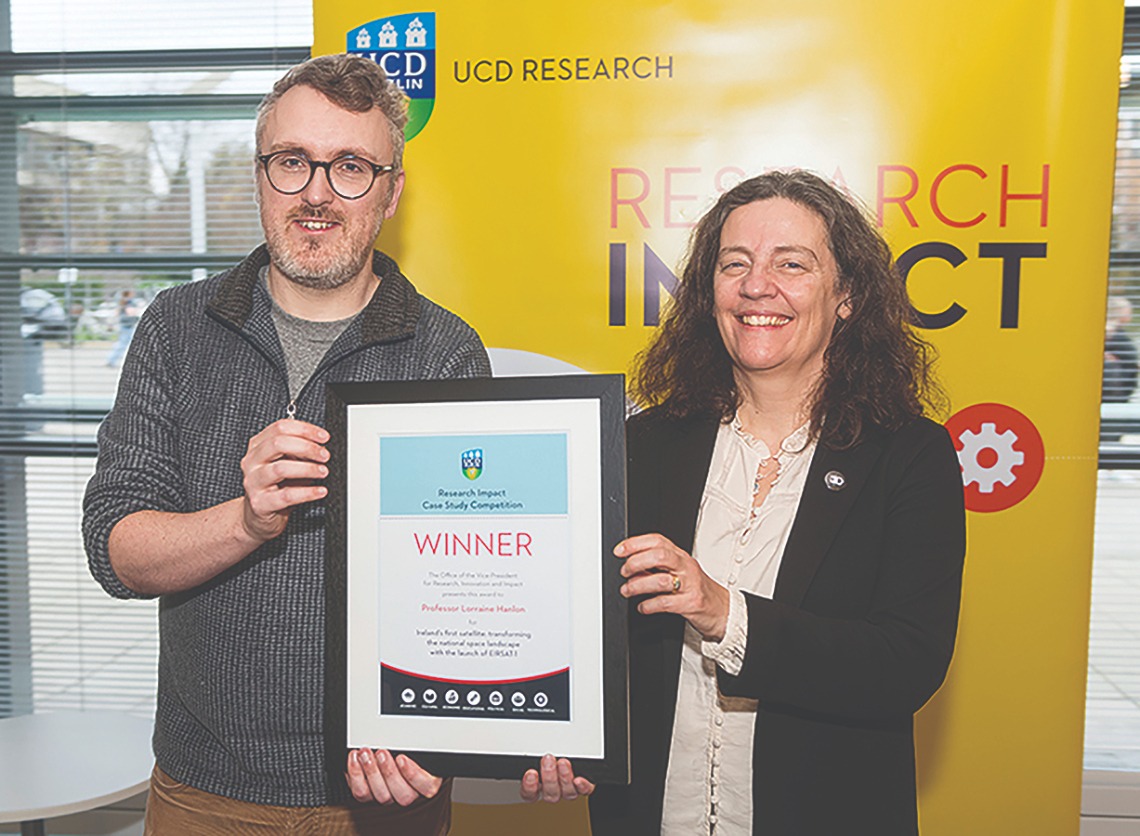
In January, EIRSAT-1 won the 2024 UCD Research Impact Case Study Competition for securing UCD’s place in Ireland’s space history. Detailing the historic achievement of building, launching and operating Ireland’s first satellite, this year’s winning case study ‘Ireland’s first satellite: transforming the national space landscape with the launch of EIRSAT-1’ was led by Professor Lorraine Hanlon, Director of UCD Centre for Space Research, and Professor of Astronomy at UCD School of Physics.
Three environmental research projects from UCD received a total of nearly €2 million in funding from the Environmental Protection Agency.
In February, three environmental research projects from UCD received a total of nearly €2 million in funding from the Environmental Protection Agency (EPA). This new EPA funding will help to build the vital research talent and knowledge needed in Ireland to respond to these challenges and achieve a healthier environment.
In March, Professor Sarah Gleeson was named as the new iCRAG Director. She will oversee the Ireland Centre for Research and Applied Geosciences efforts across ten different institutions and 150 researchers to create innovative and sustainable solutions to decarbonisation, protecting groundwater and marine resources, and safeguarding against natural hazards such as floods and landslides.
AI expert, UCD Professor Andrew Parnell, will lead a new multi-million-euro programme to develop weather and climate services using AI and data science, funded by Met Éireann. Aiming to develop AI-enhanced models to allow the National Meteorological Service to build on its forecasting capabilities, the Met Éireann Weather and Climate Research Professorship will help to make Ireland more weather and climate prepared.
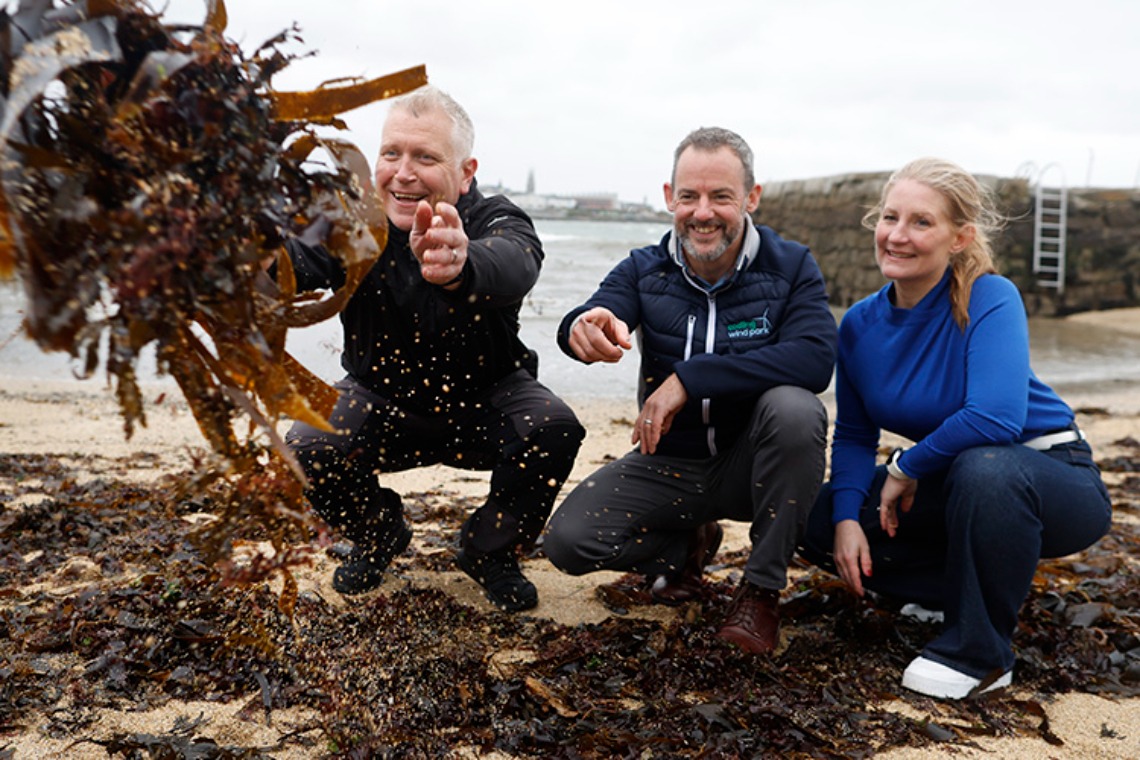
A new biodiversity project could see native oyster reefs and seagrass beds restored to Dublin Bay. UCD has partnered with Codling Wind Park, Ireland’s largest planned offshore wind project, to explore the potential of using nature-based solutions to protect and enhance biodiversity at selected sites in the area and along the Irish coast.
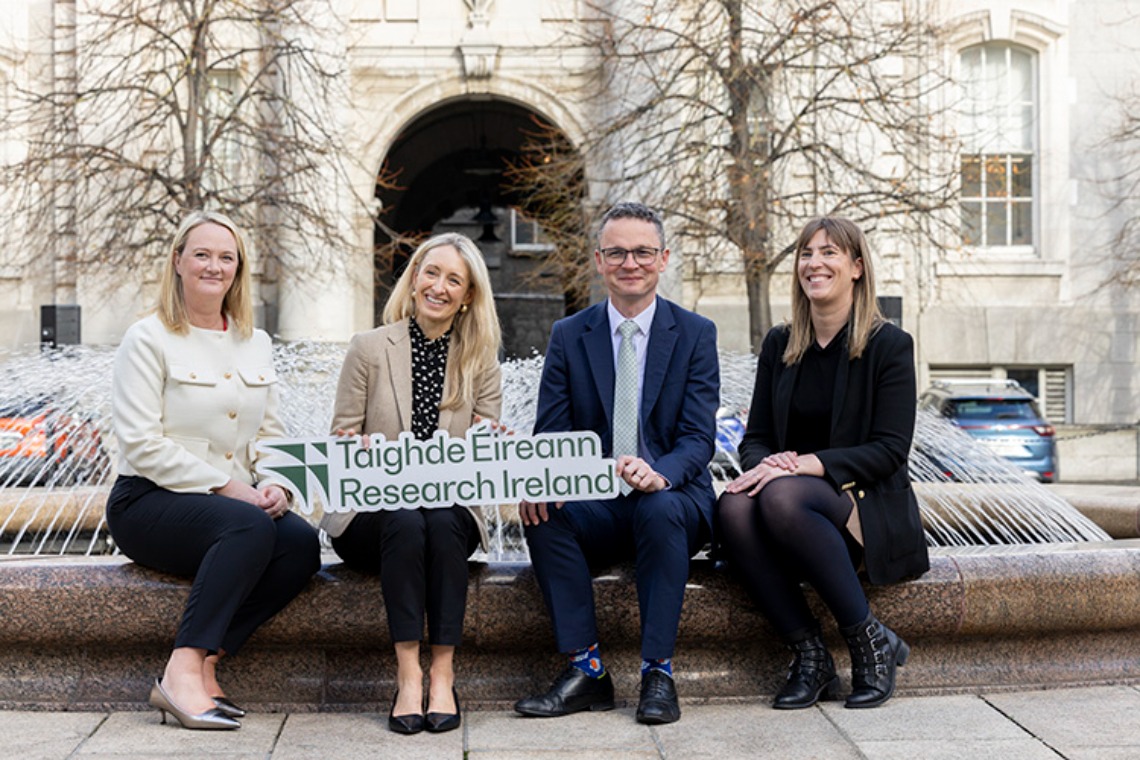
Research Ireland has awarded almost €7 million to 11 ‘high-risk, high-reward’ UCD research projects. Drought resilience of bog plants, alternative battery technologies for electric vehicles, and treatments for epilepsy are among the projects to be investigated. This latest round of grants will support a diverse range of research positions and represents a strong commitment to developing future talent in key areas.
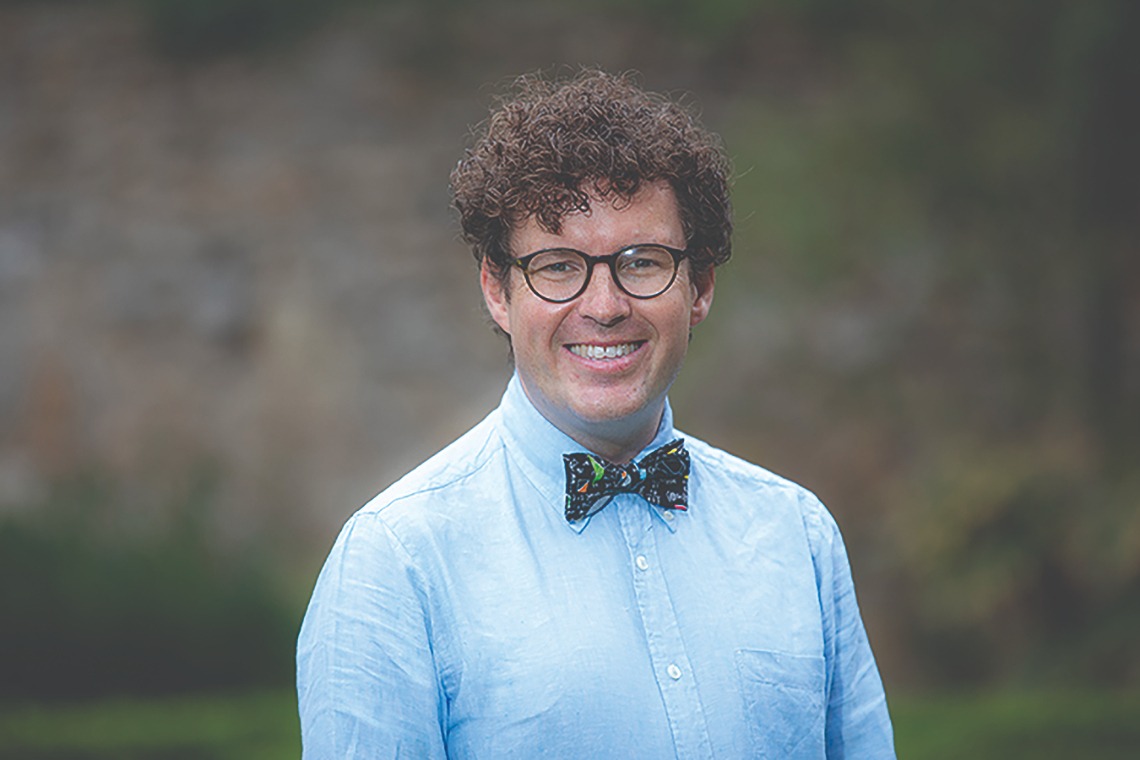
One of the leading voices in physics education, the American Physical Society (APS) has elected Dr Shane Bergin as a Fellow. Considered one of the most prestigious recognitions in the field of physics, an APS Fellowship is only awarded to those who have made exceptional contributions to physics research, physics education, or leadership in or service to APS.
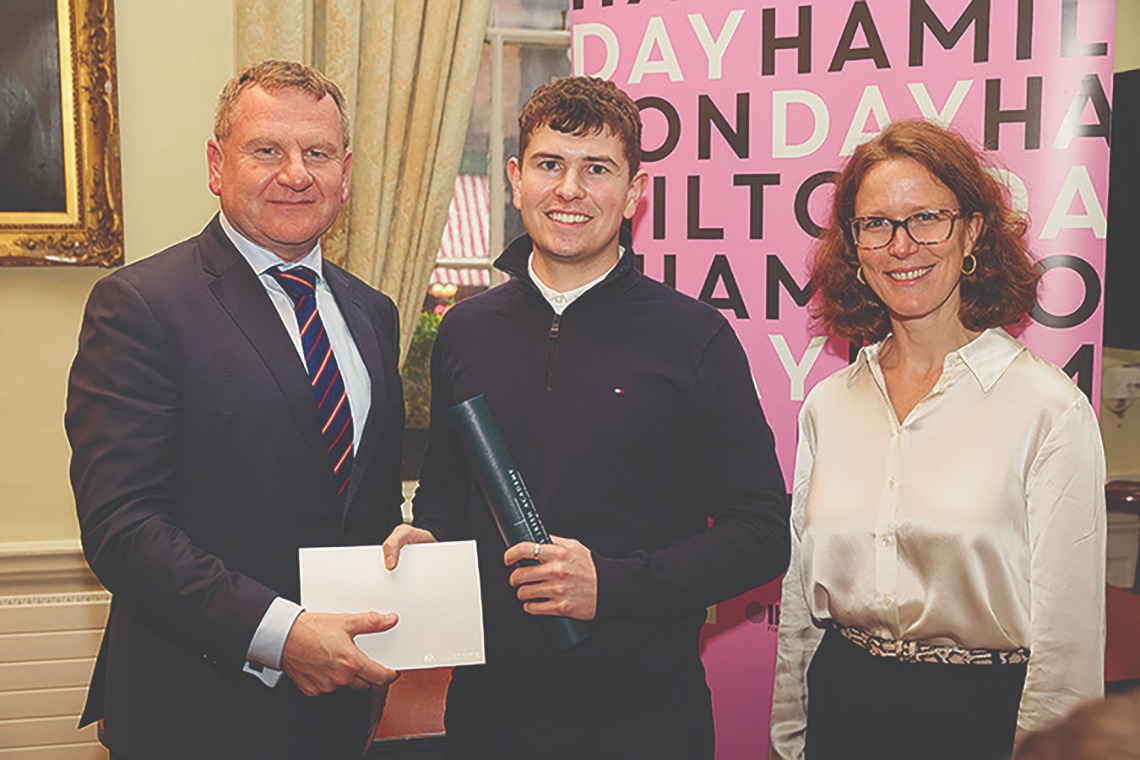
UCD student Jack Sherry was awarded the prestigious Royal Irish Academy Hamilton Prize – the top accolade for undergraduate mathematical students in Ireland. Sherry, who is in his final year of Applied & Computational Mathematics, was among nine students recognised by the Royal Irish Academy for their mathematical excellence.
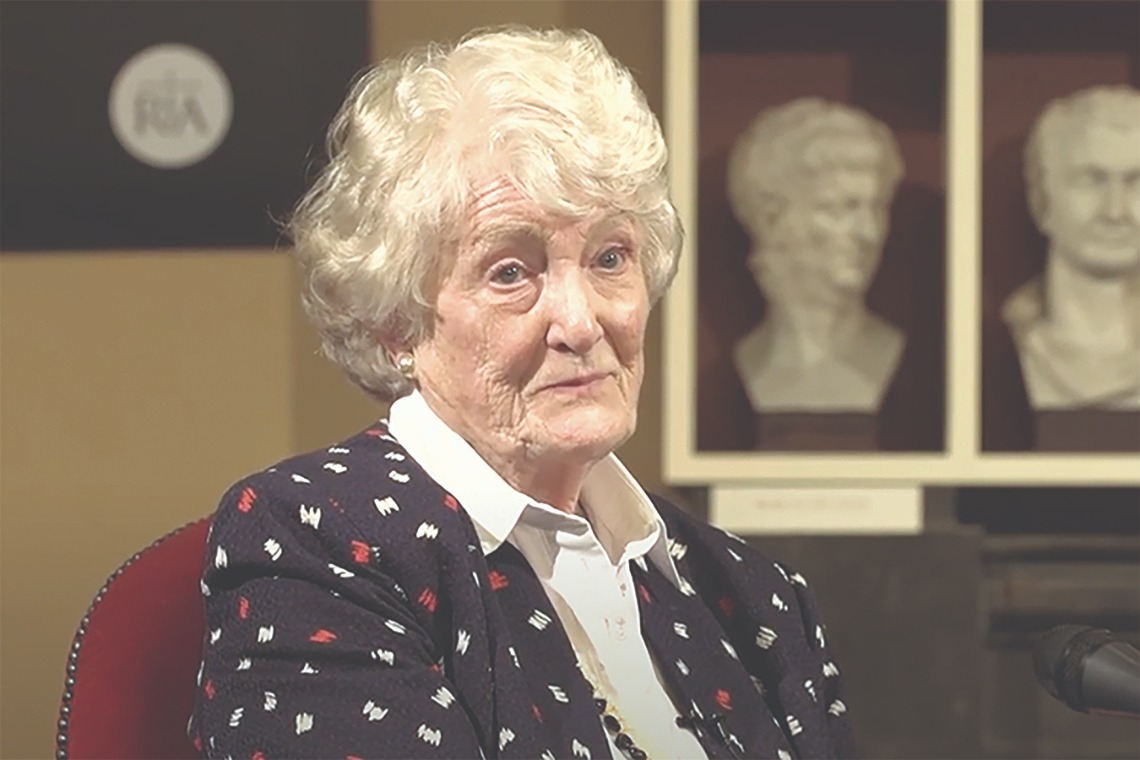
The university community was deeply saddened by the loss of one of our most remarkable, respected and influential alumni, UCD Professor Emerita of Phytochemistry Dervilla Donnelly MRIA (1930-2024), who served as the first woman President of the Royal Dublin Society (1989-1992).
Our alumni continue to be an integral part of our ongoing journey, and alumni support and engagement play a vital role in our mission. Whether through mentorship, philanthropy, or simply staying connected, alumni remain an essential part of our community.
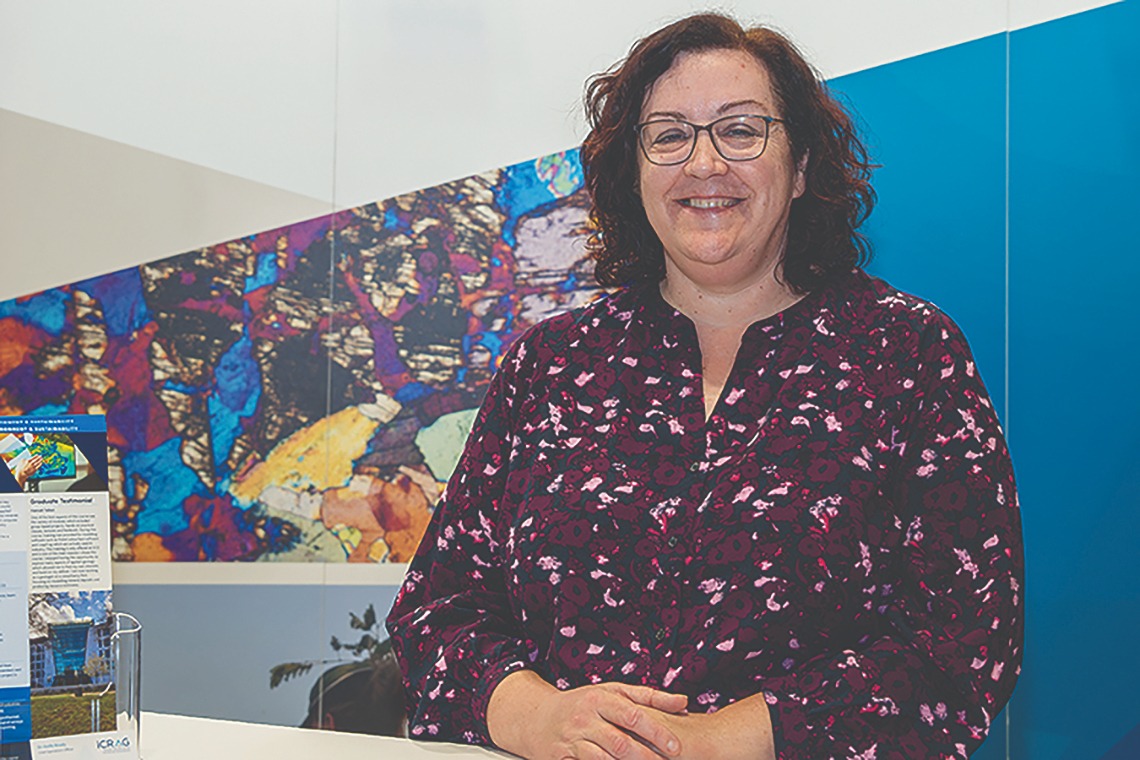
Director of iCRAG, Prof. Sarah Gleeson.The late Prof. Emerita Dervilla Donnelly, UCD School of Chemistry.Dr David Murphy and Director of UCD Centre for Space Research and Professor of Astronomy at UCD School of Physics, Prof. Lorraine Hanlon.UCD Science Ad Astra Elite athlete alumnus Colin Judge was the flag bearer for Team Ireland at the 2024 Paralympic Games alongside sprinter Orla Comerford.EPA’s funding focuses on Irish environmental and climate research.Danny McCoy, Ibec, Jack Sherry and Prof. Laura DeMarco of the Department of Mathematics, Harvard University.Chief Executive Officer, Children’s Health Foundation, Fionnuala O’Leary; Director, Science for Society at Research Ireland, Dr Ruth Freeman; Minister Patrick O’Donovan TD; and Dr Fiona Freeman.Prof. Andrew Parnell, UCD School of Mathematics and Statistics.Dr Shane Bergin, UCD School of Education.Assist. Prof. Paul Brooks, UCD School of Biology and Environmental Science; Seán Leake, Offshore and EIA Consents Manager, Codling Wind Park; and Lis Royle, Consents Manager, Codling Wind Park.
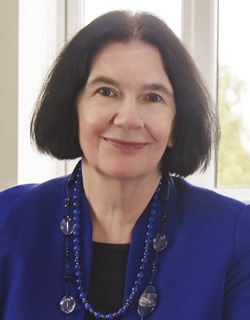
PRÍOMHOIFIGEACH AN CHOLÁISTE OUTGOING COLLEGE PRINCIPAL
An tOllamh / Professor Cecily Kelleher
/
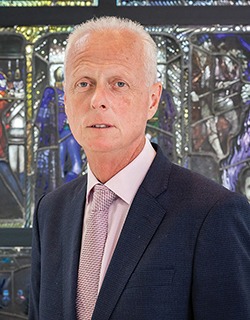
PRÍOMHOIFIGEACH AN CHOLÁISTE INCOMING COLLEGE PRINCIPAL
An tOllamh / Professor Michael Keane
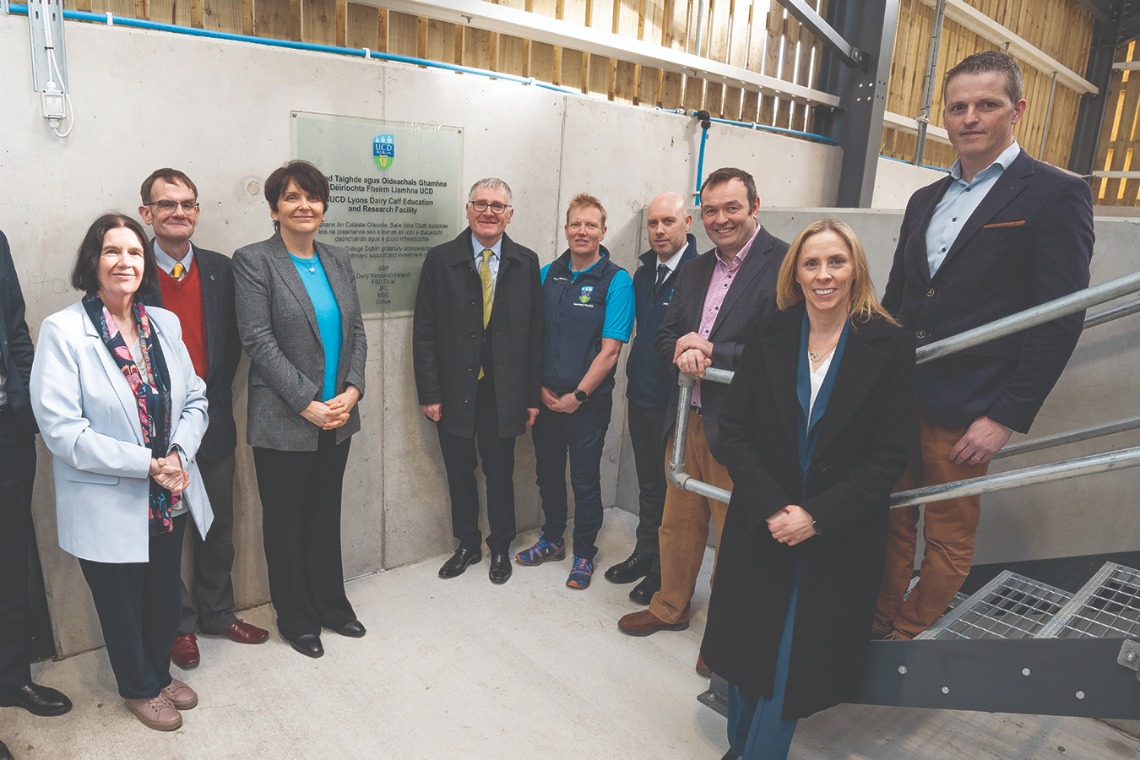
UCD is unique among third-level universities in Ireland in having its own teaching and research farm to provide students and academics with access to large animal and crop enterprises, for the delivery of teaching and research programmes. UCD Lyons Farm forms an integral part of the teaching and research infrastructure of the College of Health and Agricultural Sciences, and specifically of the School of Agriculture and Food Science, and the School of Veterinary Medicine. In February, a €1 million state-of-the-art dairy calf-rearing centre was opened on the farm. The new centre will apply cutting-edge research to benefit and improve the health and rearing of dairy calves. It will provide agriculture and veterinary students with hands-on experience in the best practice of calf-rearing, while also greatly expanding the national research capacity of dairy heifer research, with a focus on early life nutrition, better integration of dairy and beef, and environmental impact.
The new centre will apply cutting-edge research to benefit the rearing of dairy calves.
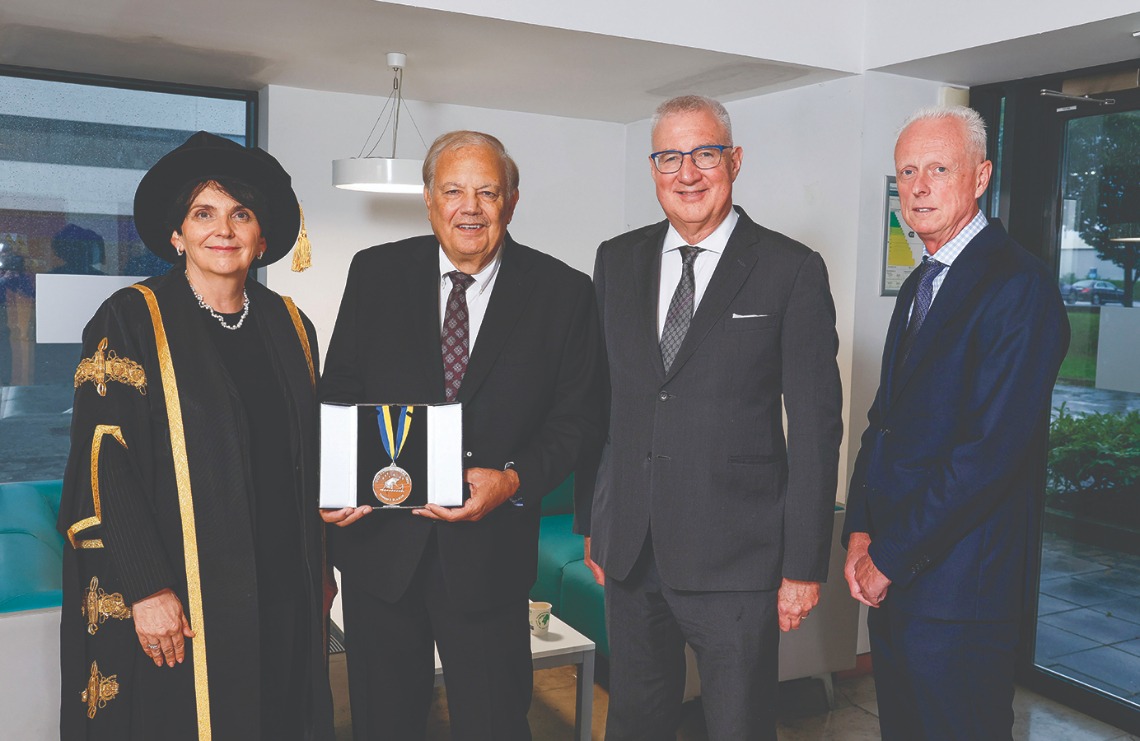
In September 2024, American oncologist Dr Dennis Slamon was awarded the UCD Ulysses Medal, the highest honour the University can bestow. UCD School of Medicine nominated Dr Slamon and hosted the celebration event. Dr Slamon is credited with saving the lives of hundreds of thousands of women worldwide by transforming the treatment of breast cancer. In presenting Dr Slamon with the Ulysses Medal, UCD recognised that his pursuit of novel therapies for over 30 years has shaped the field of precision medicine and paved the way for other targeted therapies in oncology.
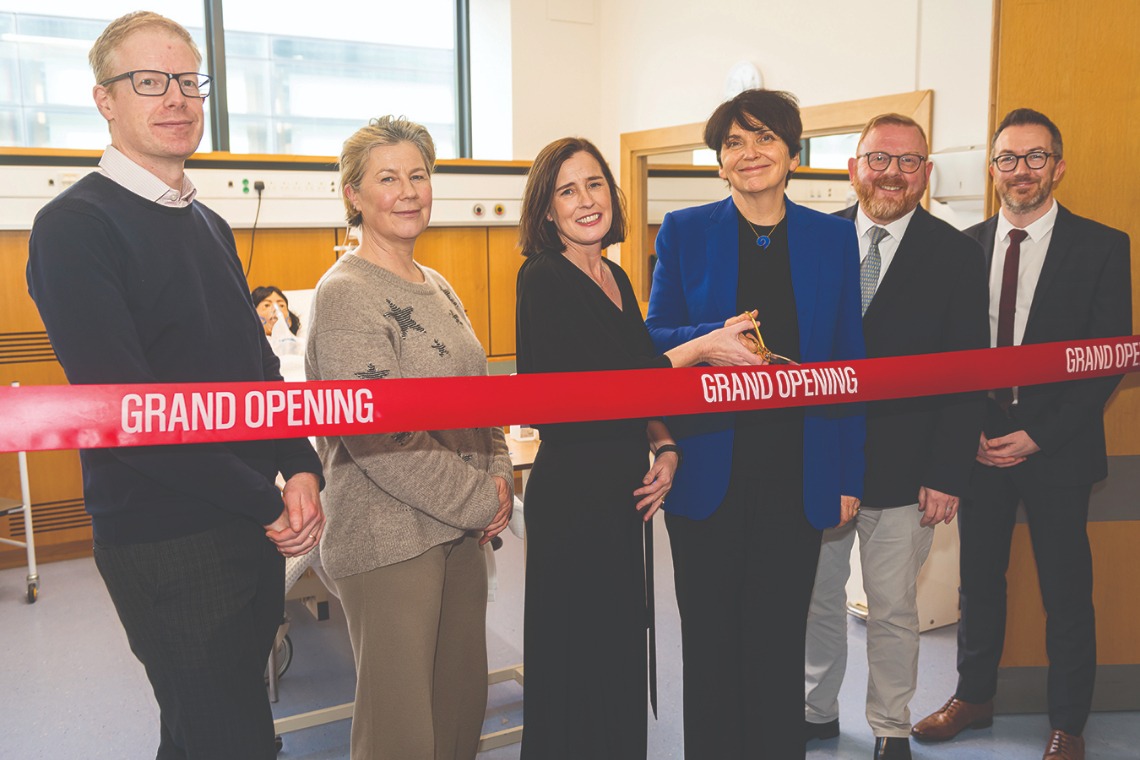
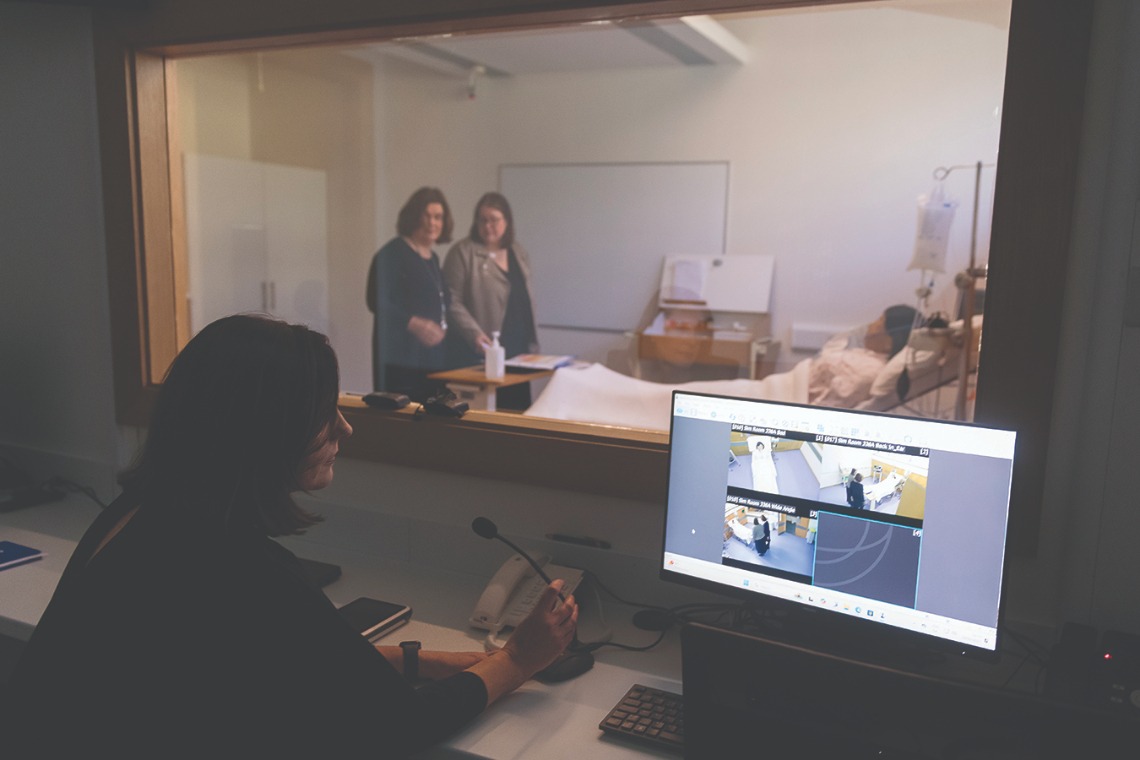
At a special ribbon-cutting ceremony in February, a brand new state-of-the-art Clinical Skills Simulation Suite was opened by UCD President, Professor Orla Feely, in the UCD Health Science Centre. Having received funding from UCD College of Health and Agricultural Sciences, the School of Nursing, Midwifery and Health Systems was delighted to open the Simulation Suite, which allows for quality simulation activities, elevating the students’ learning through realistic patient scenarios and real-time problem-solving.
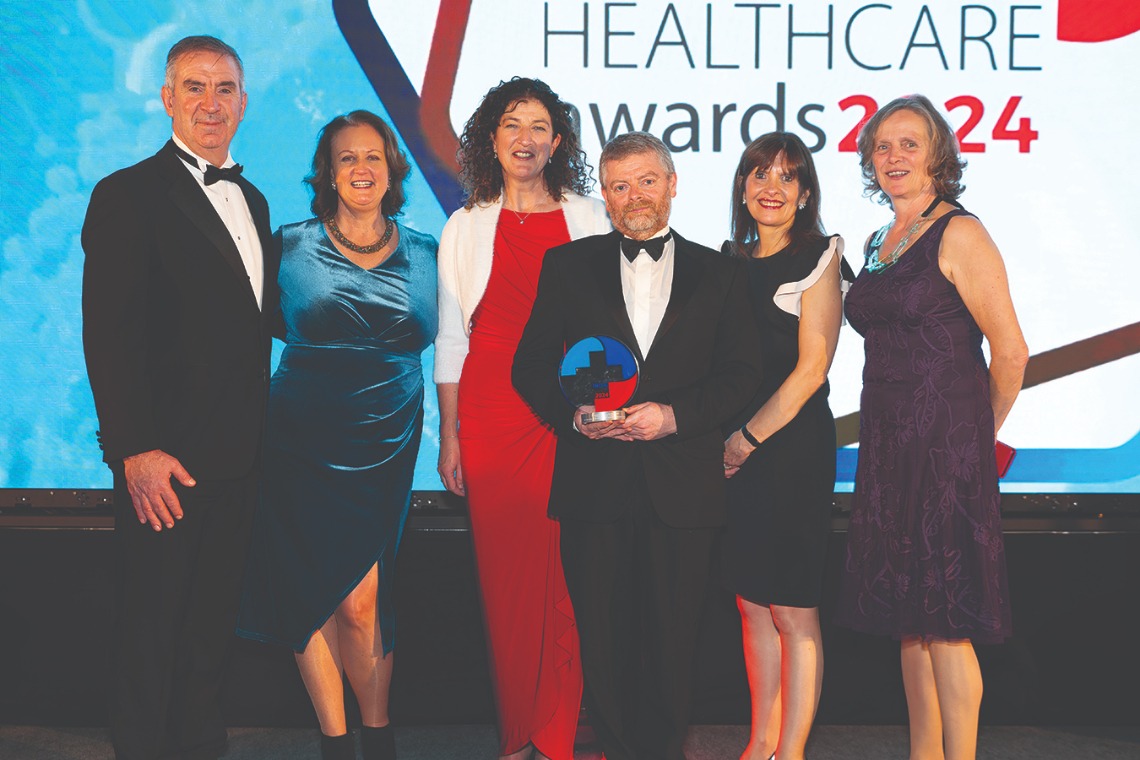
Globally impactful research at the School of Public Health, Physiotherapy and Sports Science continued apace with researchers receiving significant funding from several agencies, including Research Ireland, Irish Aid, ERASMUS+, Sport Ireland, the Environmental Protection Agency and InterTradeIreland. A number of researchers were honoured with major awards, including Professor Eamonn Delahunt and recently retired Professor Colin Boreham being recognised as among the top 1% and 2% respectively of scientists globally. Professor Patricia Fitzpatrick and team won the Best Research Project Paper in the Irish Healthcare Awards 2024 for their research into the effect of HPV vaccination on cervical cancer, which provided the first evidence of the benefit of the HPV vaccine in Ireland.
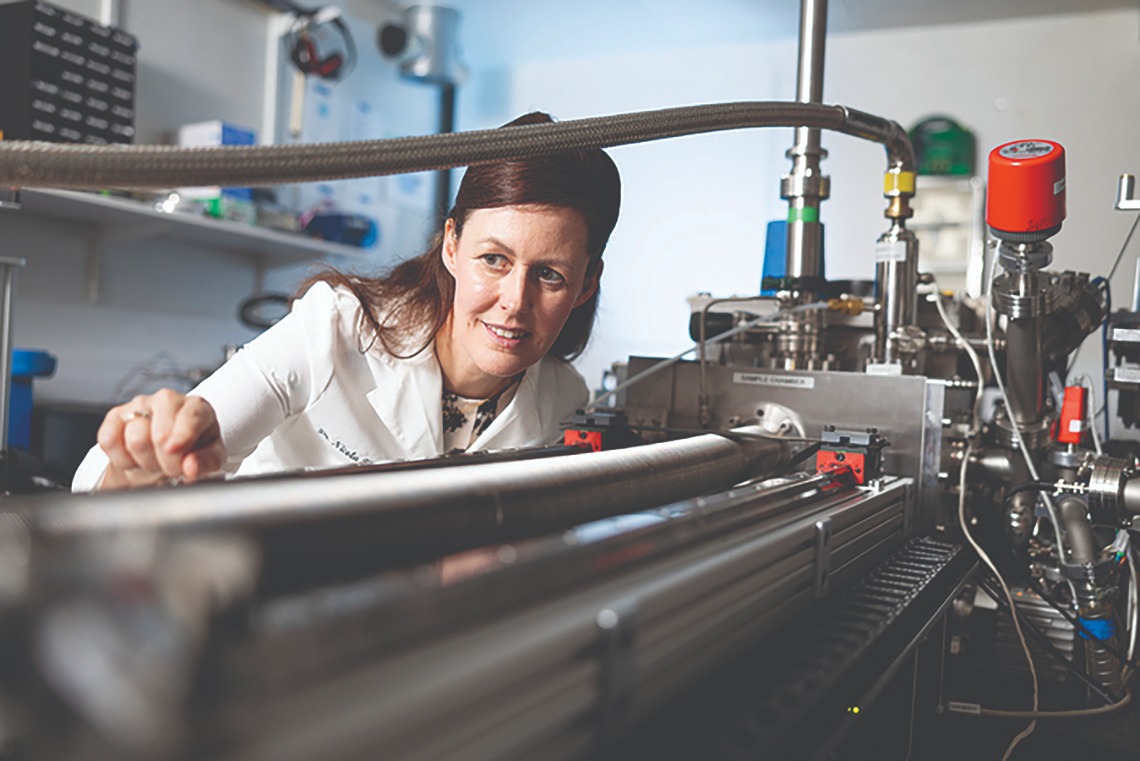
Ad Astra Fellow in the School of Veterinary Medicine, Dr Nicola Fletcher, was awarded an ERC Synergy Grant of over €6 million to develop novel technology that could revolutionise clinical diagnostics. Receiving the award, Dr Fletcher commented on the significance of the funding to the One Health concept: “I am confident that this project will deliver new ways to diagnose and treat a wide range of diseases in humans and animals. I’m passionate about One Health – the idea that animal, human and environmental health are all linked, and we must consider all of them when trying to improve the health of any one. This project fits perfectly within One Health and will benefit all species.”
CHAS Dean of Teaching and Learning, Prof. Jonathan McNulty; Clinical Lead, National Simulation Office, HSE, Prof. Dara Byrne; Director of Clinical Skills and Simulation, School of Nursing, Midwifery and Health Systems, Siobhán Brereton; UCD President, Prof. Orla Feely; Assoc. Dean for Teaching and Learning, Assoc. Prof. Michael Connolly; and School Director, School of Nursing Midwifery and Health Systems, James Hayes.Prof. Cecily Kelleher, Prof. Alex Evans, UCD President, Prof. Orla Feely, Prof. Frank Monahan, Assoc. Prof. Marijke Beltman, Dr Alan Kelly, Dr Eddie Jordan, Prof. Karina Pierce and Prof. Tommy Boland.Prof. Patricia Fitzpatrick (second from right) pictured with HSE research team members Damian McCallion, Grainne Gleeson, Fiona Murphy, Michael Rourke and Therese Mooney.UCD President, Prof. Orla Feely, Dr Dennis Slamon, Prof. John Crown and Prof. Michael Keane.Dr Nicola Fletcher, pictured with the world’s first commercially available laboratory-scale soft x-ray microscope at UCD Conway Institute of Biomolecular and Biomedical Research.Director of Clinical Skills and Simulation, Siobhán Brereton, Linda Farren, Clinical Tutor, and Michaela Schumann, Clinical Tutor in the new Simulation Suite in the School of Nursing, Midwifery and Health Systems.
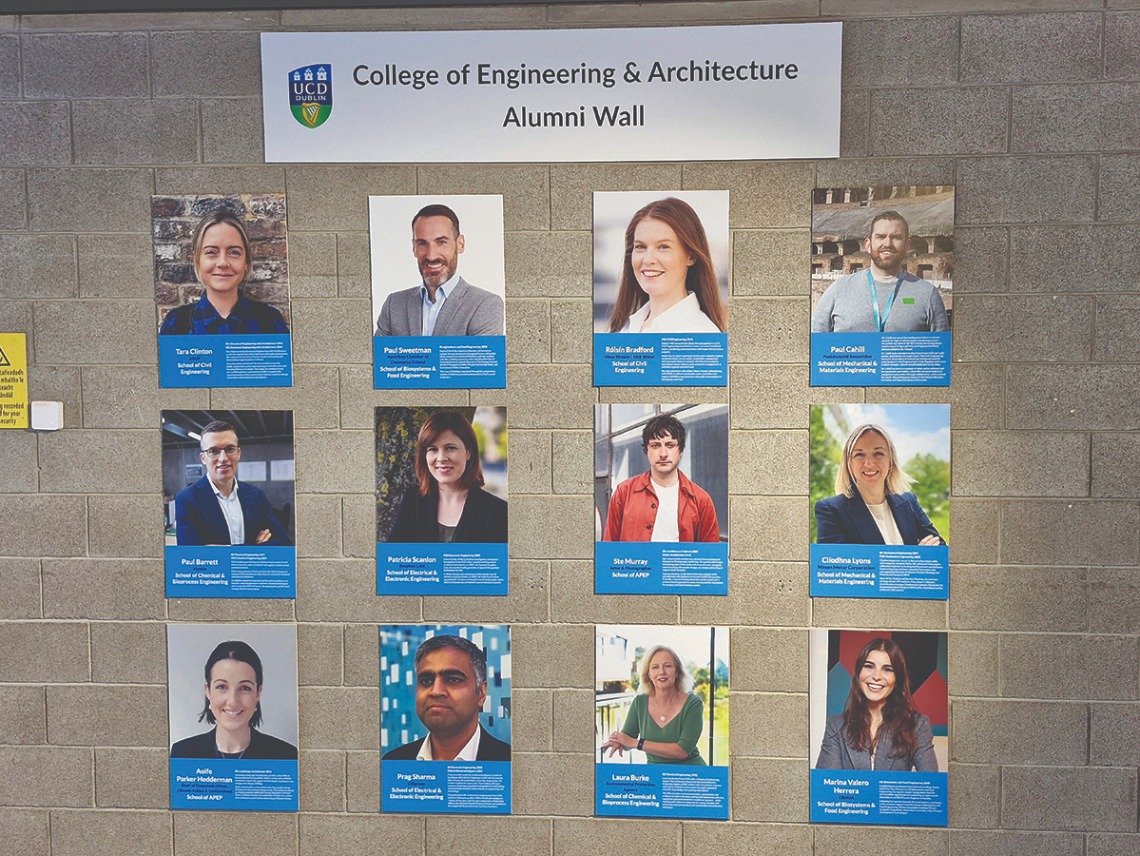
It has been a successful and exciting year for the College of Engineering and Architecture. We continue to take pride in showcasing the diverse and inspiring paths our alumni follow. In our Engineering building, 12 new alumni portraits have been hung – each a testament to the variety of careers pursued by our graduates and a source of inspiration for our current students.
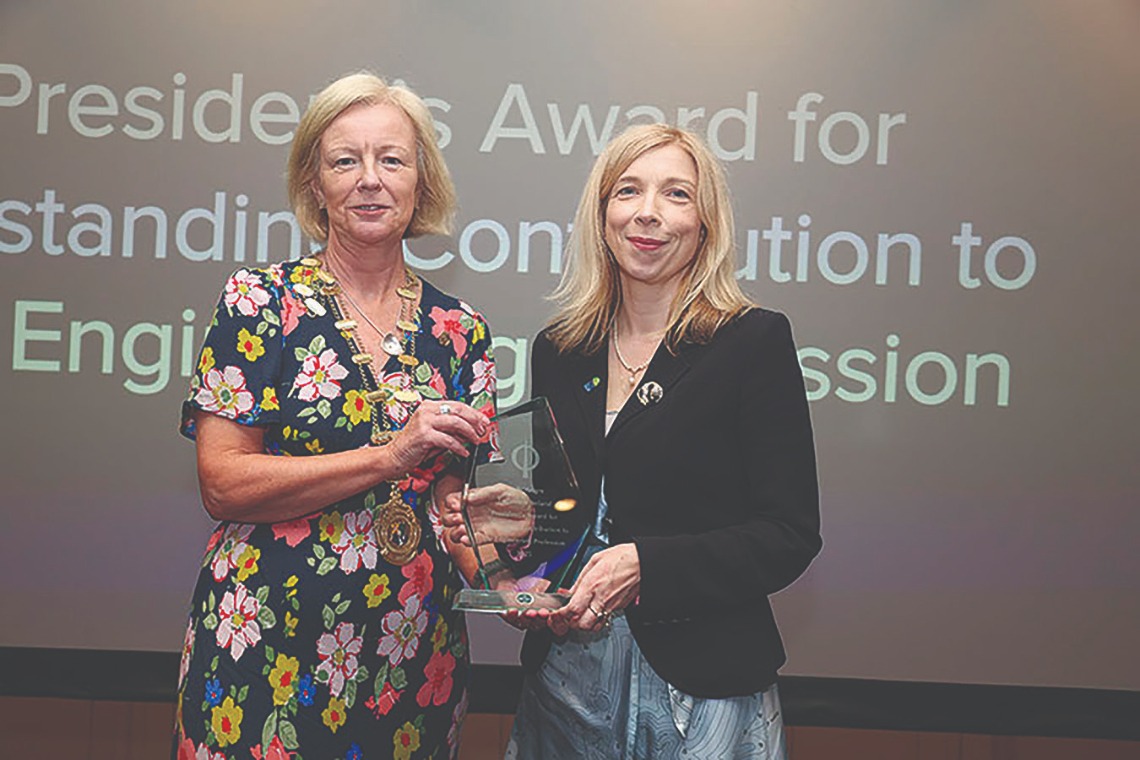
I was deeply honoured to receive the Engineers Ireland President’s Award for Outstanding Contribution to the Engineering Profession. This award is a reflection of the dedication of our faculty and the significant impact of UCD engineering graduates on Ireland’s development.
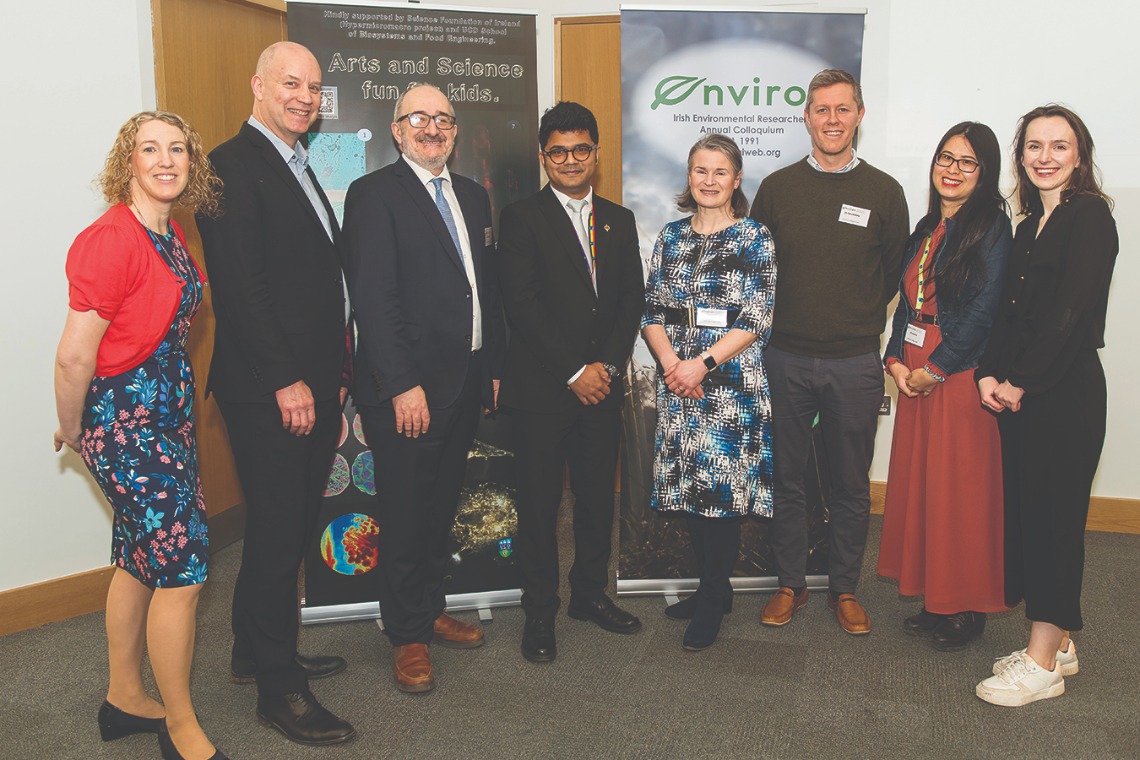
In March, the UCD School of Biosystems and Food Engineering, in partnership with the Environmental Sciences Association of Ireland, hosted the 35th Irish Environmental Researchers’ Colloquium (ENVIRON 2025) on campus. This is Ireland’s largest gathering of environmental researchers, and this year’s event featured over 57 posters and 88 oral presentations. It remains an important platform for researchers at all career stages to share findings with academia, industry, government, and the public.
These awards highlight our position as a world-class research institution.
Research excellence continues to define the College. We are proud of our continued success in the prestigious European Research Council (ERC) awards. Associate Professor Junli Xu from the School of Biosystems and Food Engineering received an ERC Starting Grant for her project, which looks at machine learning combined with spectral imaging for inferring the toxicity of micro- and nanoplastics.
In the School of Mechanical and Materials Engineering, there were two ERC awards: Associate Professor David MacManus received an ERC Starting Grant for his project, which identifies how to bridge the gender gap in traumatic brain injury biomechanics.
Associate Professor Aisling Ní Annaidh was awarded an ERC Consolidator Grant for a project which proposes a patient-specific approach to tissue expansion in breast reduction.
These competitive awards highlight our position as a world-class research institution, and more importantly, demonstrate the real-world impact of our work.
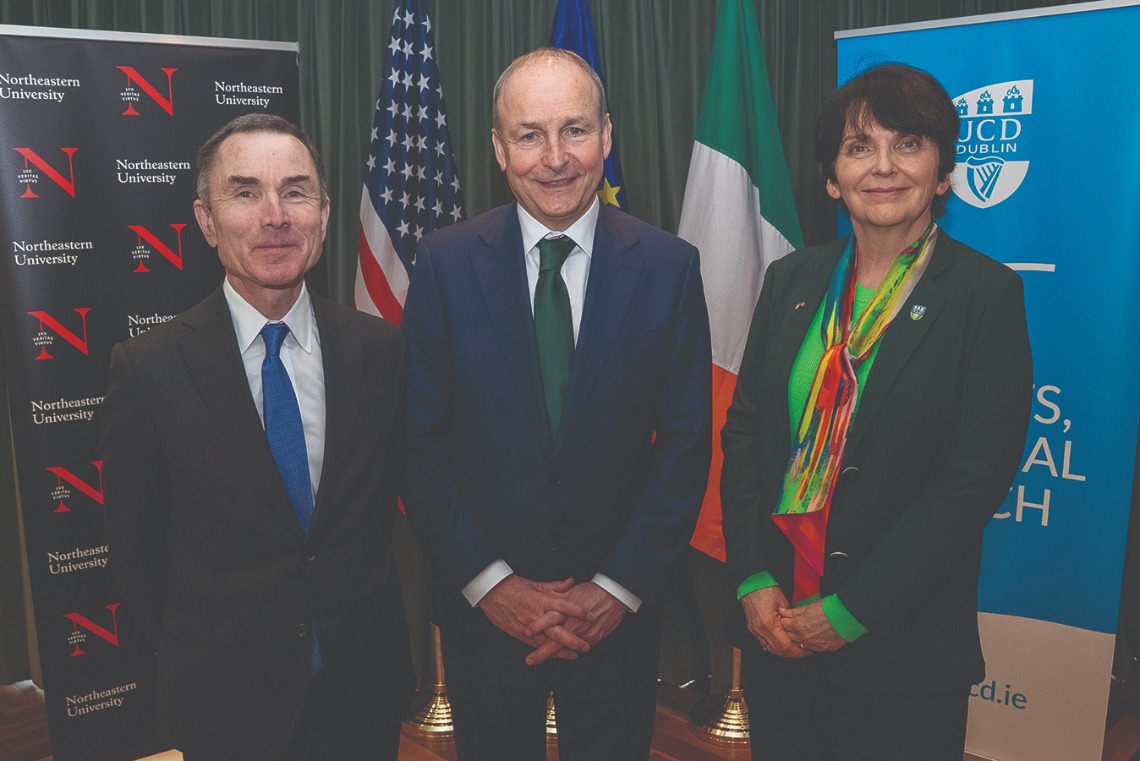
Another exciting development was the launch in March of a new double degree in Sustainability Engineering Leadership, launched by Taoiseach Micheál Martin, UCD President, Professor Orla Feely, and Provost of Northeastern University in Boston, Professor David Madigan. This innovative programme – the first of its kind – is a collaboration between UCD’s School of Biosystems and Food Engineering and Northeastern University’s College of Engineering. The programme welcomes its first cohort in September 2025 and students will spend their first year in Boston and second year in Dublin. Graduates will be equipped with the technical, analytical, and leadership skills to drive sustainability across global industries.
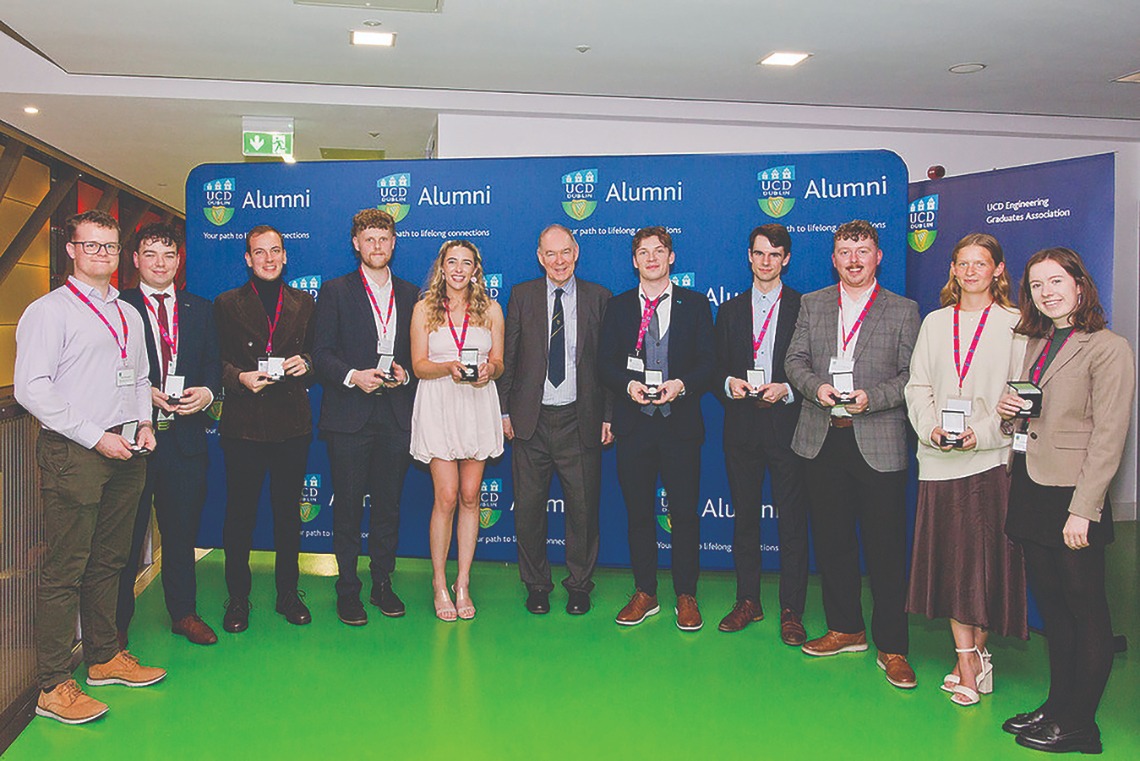
As always, we were delighted to celebrate the achievements of our students. In November, the Engineering Graduates Association (EGA) welcomed 30 recent graduates back to campus to honour their academic excellence through gold medals and awards.
We also recognised an exceptional alumnus with the 2024 EGA Distinguished Graduate Award. Paddy Hayes, CEO of ESB Group, was honoured for his outstanding contributions to the energy sector and leadership in advancing sustainability and innovation.
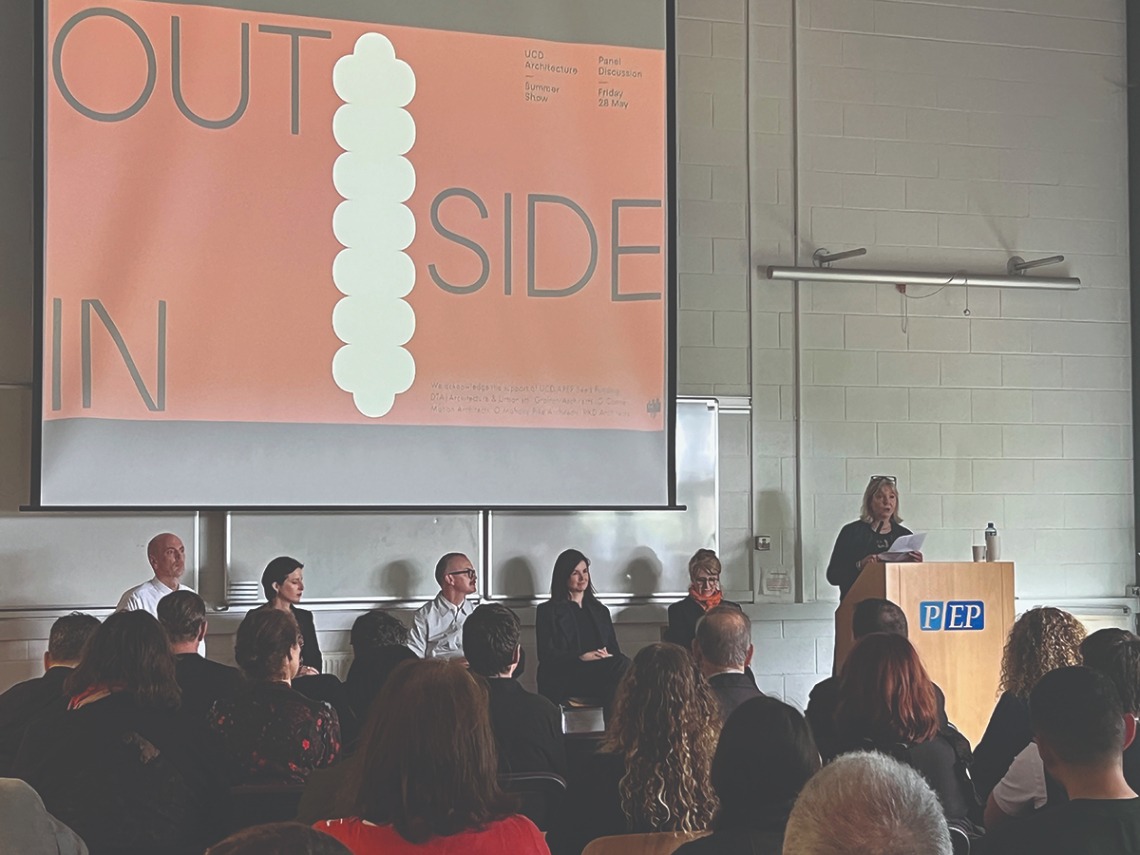
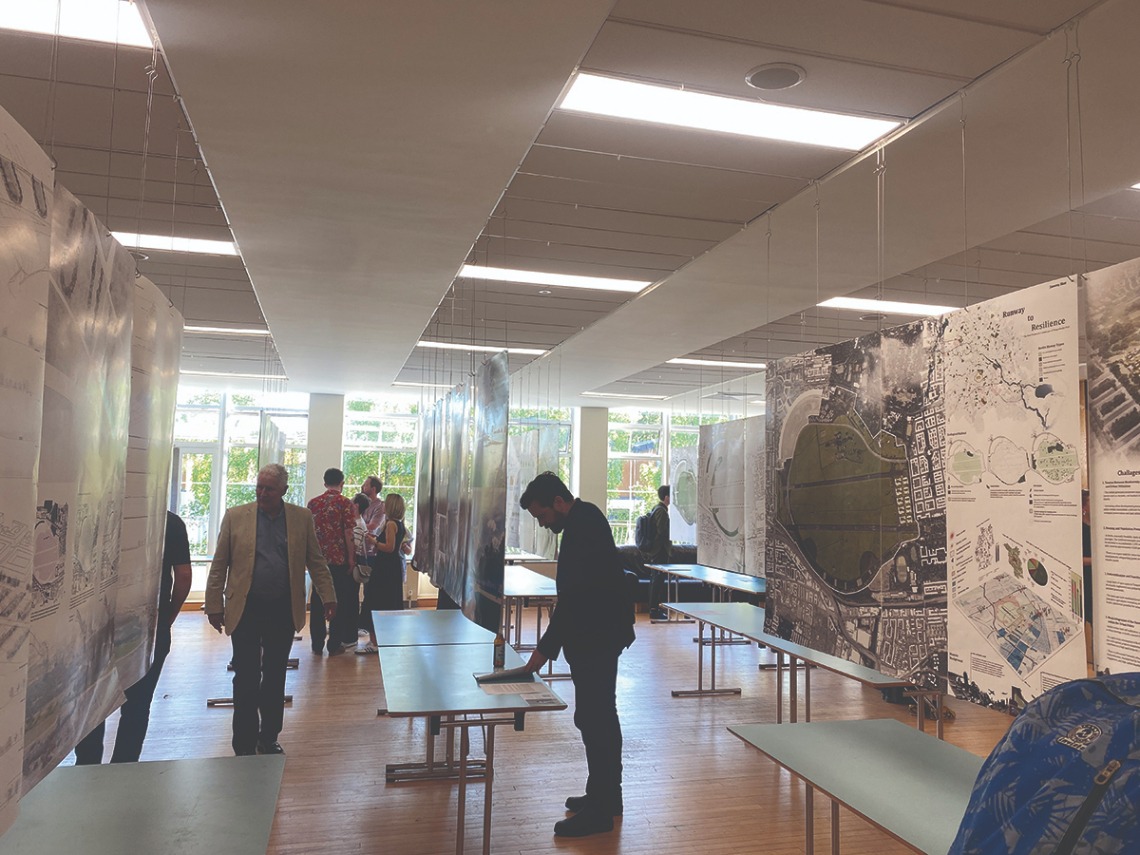
The School of Architecture, Planning and Environmental Policy concluded the trimester with the annual showcase of students’ work during the Landscape Architecture end-of-year exhibition and the Architecture Summer Show ‘Outside In’, which this year also included a panel discussion.
Congratulations to Assistant Professor Will Dimond and Marcus Donaghy, who won the prestigious RIAI Gold Medal for their award-winning design that transformed the Model School in Inchicore into a sustainable, community-focused space. The RIAI praised the project for its creativity and social impact.
As we look ahead, I remain proud of the College’s continued progress and inspired by the global impact of our alumni and faculty. Thank you for being part of this vibrant community.
Engineering Graduates Association Distinguished Graduate Award: Prof. Aoife Ahern, Emeritus Assoc. Prof. David Timoney, Paddy Hayes and UCD President, Prof. Orla Feely.Assoc. Prof. Junli Xu and Assoc. Prof. David MacManus.Prof. Aoife Ahern receives the Engineers Ireland President’s Award from former EI President Laura Burke.EGA Gold Medal recipients 2024.Architecture Summer Show ‘Outside In’ panel discussion.The 35th Irish Environmental Researchers’ Colloquium (Environ 2025).Provost of Northeastern University, Prof. David Madigan, An Taoiseach Micheál Martin and UCD President, Prof. Orla Feely.Landscape Architecture exhibition.The new alumni wall in the Engineering building.
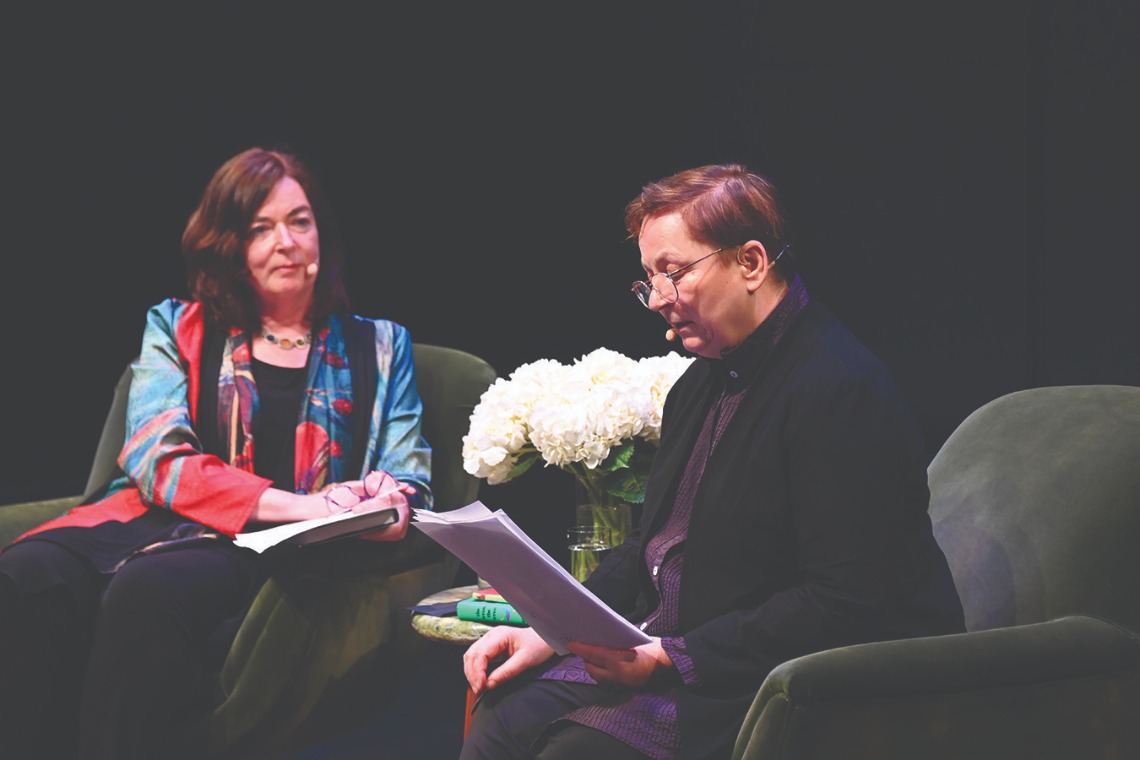
UCD College of Arts & Humanities alumni, partners and friends gathered at the Irish Arts Center in New York to spend an evening with Booker Prize-winning author and Professor of Fiction, Anne Enright. Professor Regina Uí Chollatáin, College Principal, was delighted to welcome and meet the UCD community in New York and to bring the best of Irish arts to a global stage. Professor Margaret Kelleher, Chair of Anglo-Irish Literature & Drama, led the discussion with Enright, with readings from her most celebrated works, The Gathering, The Green Road and The Wren, The Wren.
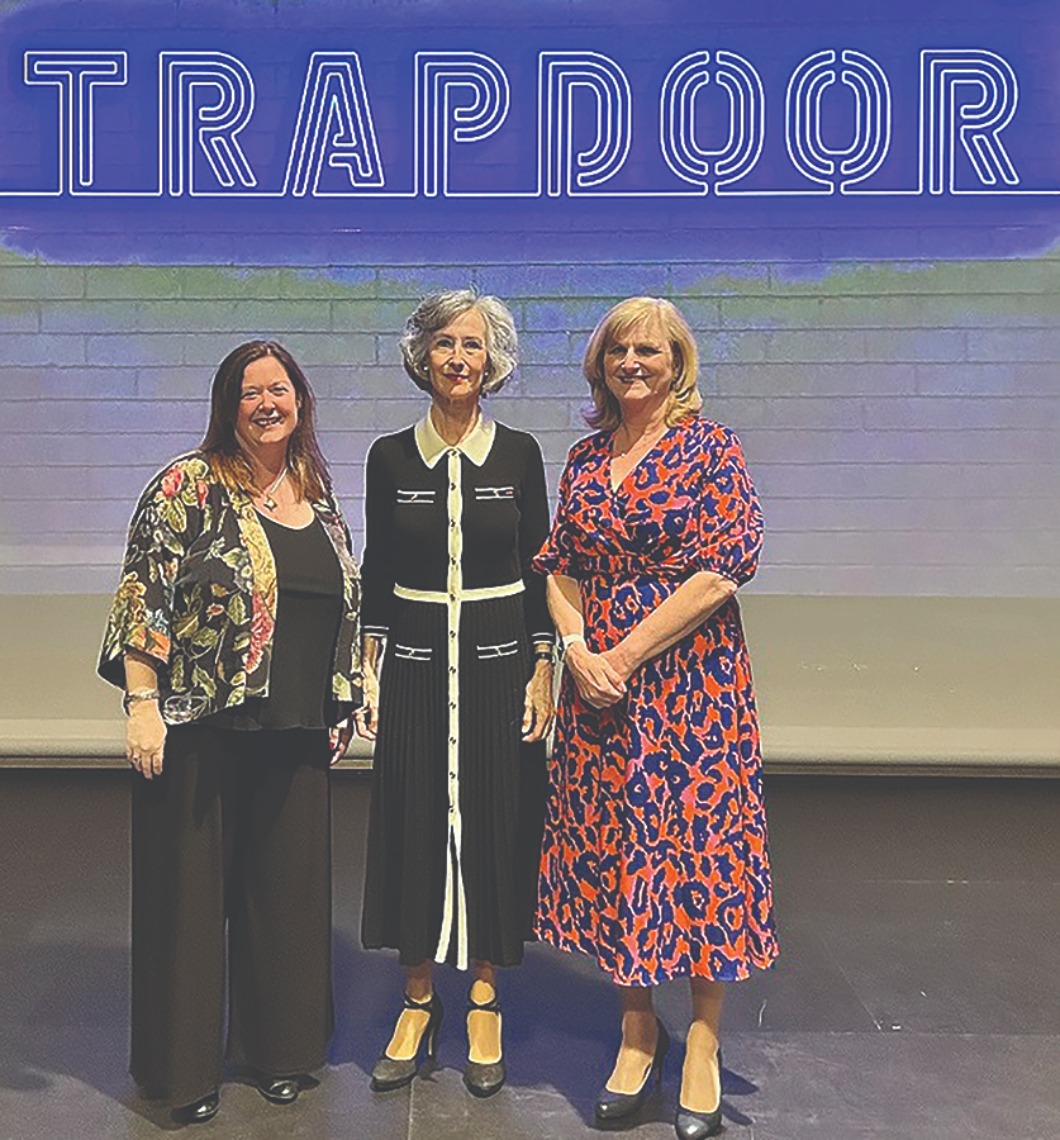
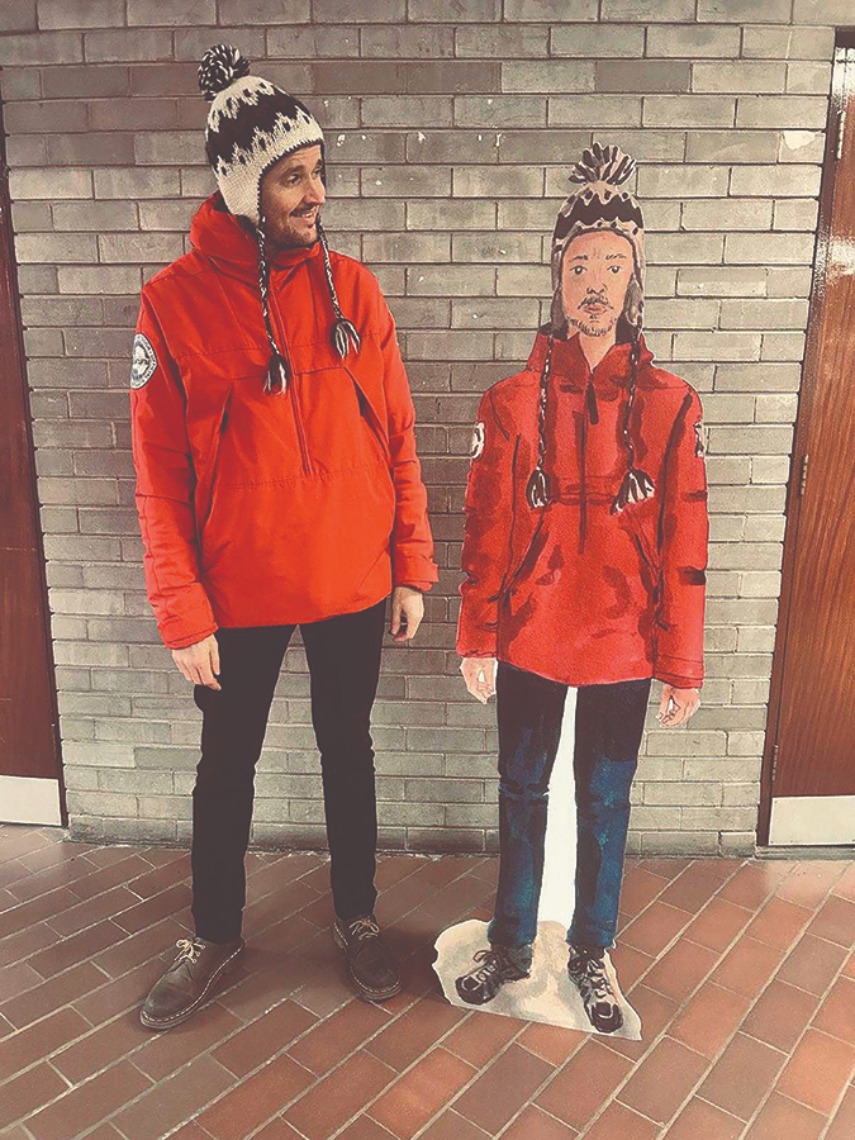
Also taking to the stage this year was recent graduate Robert Power with his energetic journey into the mind of an artist, A Version of Life. Power’s one-man play, inspired during his Erasmus year abroad by the concept of Icelandic Nirvana, was created, produced and premiered within the newly opened Trapdoor Theatre. AVersion of Life travelled to Edinburgh for the Fringe Festival in August.
On behalf of the Coimisiún na Meán-commissioned Irish Language Review, the College hosted a highly successful forum on Irish language media at UCD, opened by Professor Orla Feely. Key media stakeholders contributed to this forám covering a wide range of topics in podcasting, online and digital platforms, and print and broadcast media. Engaging conversations were also held around the power of language with the Wales-Ireland Annual lecture, “St Patrick & St David’s Dialogue” in partnership with the Welsh Government, which celebrates the linguistic and cultural links between the two countries.
The Forum brought together leaders from across the spectrum of Irish language media.
The UCD Clinton Institute hosted Emmy Award-winning alumnus, Donie O’Sullivan, Senior Correspondent at CNN for a discussion with Professor Scott Lucas on “Navigating Journalism in the Misinformation Era”. Co-curated by Professor Emily Mark-Fitzgerald, School of Art History & Cultural Policy, and alumna Dr Katy Milligan, a new exhibition “Casimir Markievicz: A Polish Artist in Bohemian Dublin (1903-1913)” which explores the artistic legacy of Markievicz, opened in Dublin Castle. Classics, poetry, linguistics and music collided this year with the premiere of a new piece of work, Signifier, Signified, by poet and artist Zsuzsanna Ardó which was inspired by leading Swiss linguist Ferdinand de Saussure and arranged in a choral composition by the Morning Singers under conductor Dr Orla Flanagan. This was complemented by an exhibition of Ardó’s work, inspired by Hellenic sculpture, at the UCD Classical Museum.
To celebrate folklorist Professor Henry Glassie’s honorary doctorate, a cultural evening was hosted by Professor Kate Robson-Brown, Vice President for Research, Innovation & Impact at Trapdoor. The programme featured a Q&A session with Professor Glassie and filmmaker Pat Collins, offering insights into the making of his acclaimed film Fieldwork. The evening also showcased a vibrant array of performances, including that of percussionist Éamonn Cagney, recipient of the Joseph Hassett Creativity Bursary for Musical Composition; the Traditional Music Practices group, led by Dr Peter Moran, School of Music and fiddler Paddy Glackin, with captivating dance and recitations by the Fingal Mummers.
Lara Marlowe, former Irish Times correspondent and award-winning author, delivered the Annual College Lecture titled “Ukraine’s Quest to Join the West” in partnership with the School of Languages, Cultures & Linguistics.
Eoin McEvoy, Dr Jamie Murphy, An tOllamh Regina Uí Chollatáin, Rónán Ó Domhnaill, An tOllamh Orla Feely, Áine Ní Bhreisleáin, An tOllamh Comhlach Iarfhlaith Watson, Lynette Fay agus Dr Aoife Whelan.Prof. Margaret Kelleher, Chair of Anglo-Irish Literature & Drama, in conversation with Professor of Fiction, Anne Enright, at the Irish Arts Center, New York.The Fingal Mummers performing at the honorary doctorate conferring of Prof. Henry Glassie.Assoc. Prof. Síofra Pierse, Head of School of Languages, Cultures & Linguistics, Lara Marlowe, and Prof. Regina Uí Chollatáin, College Principal.Robert Power promoting his play, A Version of Life.
As Business Schools navigate a rapidly evolving landscape, they are presented with a powerful opportunity to lead by example. Now more than ever, institutions must embody the very principles they instil in their students – adaptability, resilience and innovation.
In March, we launched the inaugural UCD College of Business Impact Makers Summit, welcoming 250 alumni back to campus. The conference featured faculty, senior business leaders and alumni providing an afternoon of insightful sessions. Another notable event featured UCD Smurfit Executive Development and Boyden Ireland welcoming rugby legend Ronan O’Gara to share leadership insights.
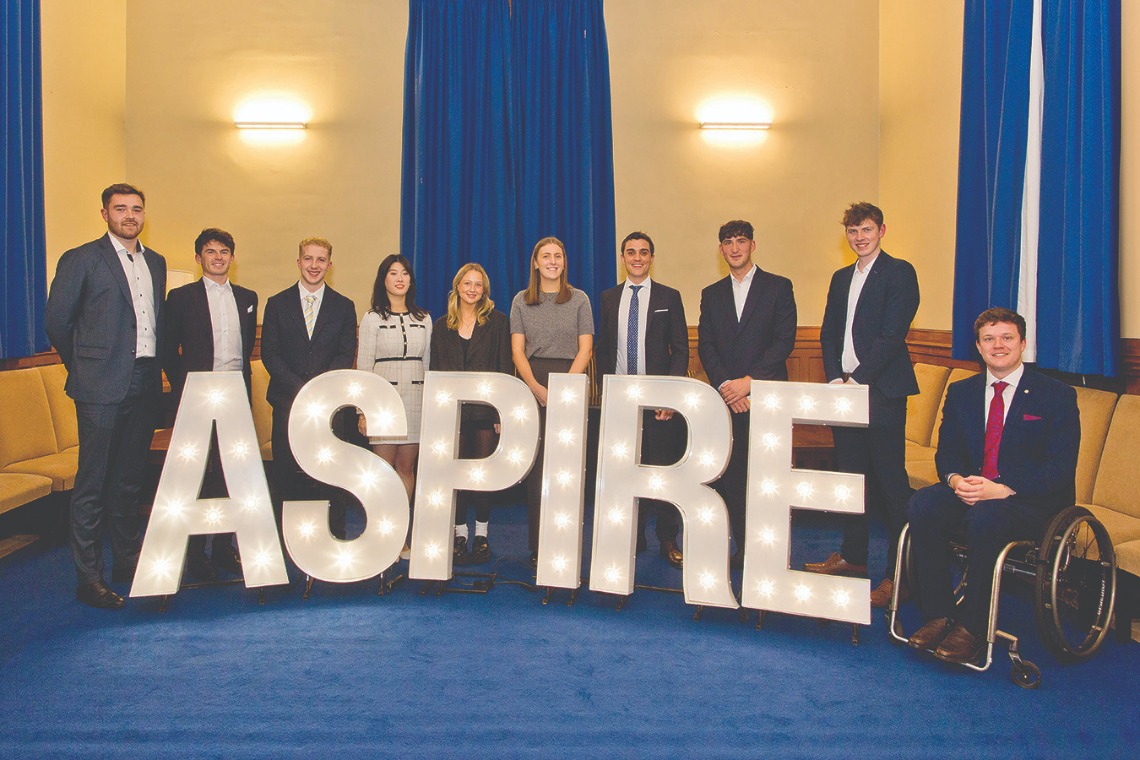
This year, UCD Smurfit School’s Aspire Scholarship Programme celebrates its 16th year supporting talented and ambitious individuals with the financial means to pursue their degree. Thus far 163 graduates have benefited from the programme and a further cohort join us this September.
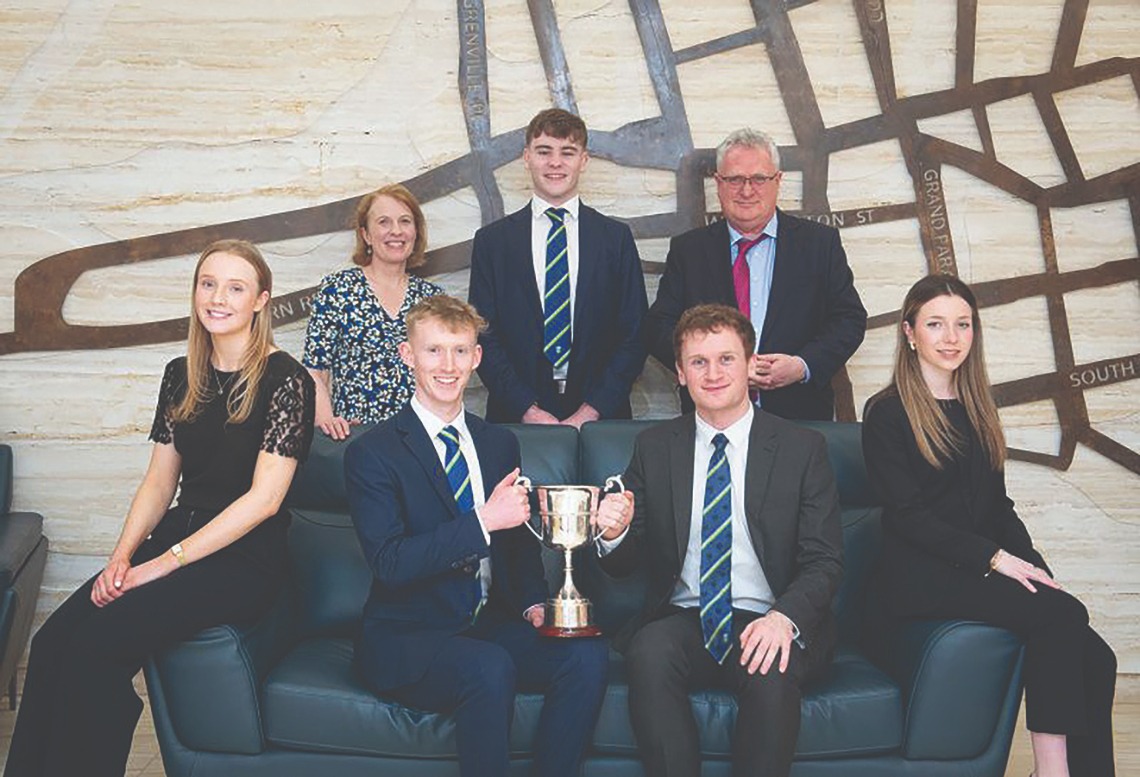
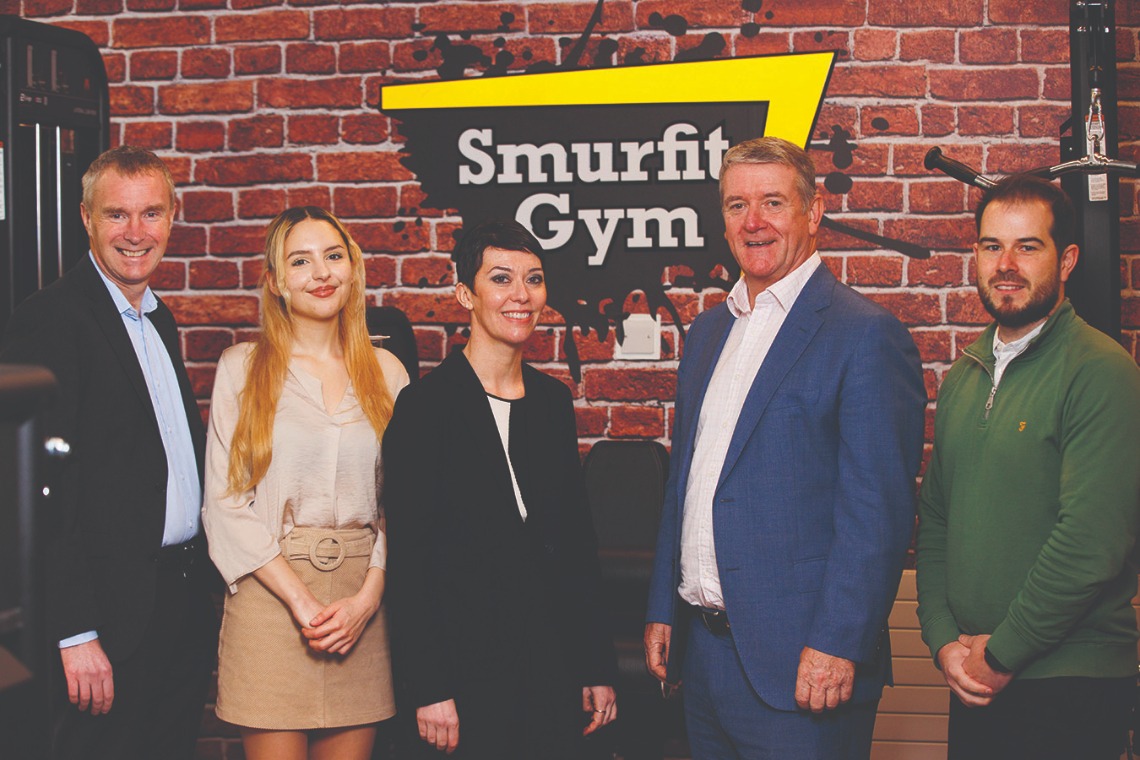
The Smurfit School opened a purpose built gym facility on campus which is proving hugely popular. A group of finance MSc students excelled in the CFA Ireland Research Challenge as UCD were crowned champions for the fourth year in a row.
UCD College of Business celebrated the opening of the Global Lounge at our Singapore Campus.
UCD Quinn School students travelled to Onsi Sawiris School of Business at the American University in Cairo, Egypt, for the inaugural Doing Business in the Middle East global immersion week. The pioneering initiative offered 15 students an unparalleled opportunity to delve into the dynamic business and rich cultural landscape of the region. Students Oisín Mallon and Oisín Walsh also stepped onto a global stage, representing Ireland at the Red Bull Basement competition global final in Tokyo with their idea StepAhead – an AI-supported platform that connects young people to mentors.
UCD College of Business celebrated the opening of the UCD Global Lounge at our Singapore Campus. The inspiring, collaborative space provides a dynamic home for an exchange of ideas between students and faculty, facilitating opportunities to explore and innovate. Professor Susi Geiger was selected to represent Ireland as the new European Research Council (ERC) Ambassador. The ERC aims to promote investment in frontier research and its benefits to the economy and society.
Professor Joe Peppard was recognised in The Case Centre’s Bestselling List of 2024 in the Strategy and General Management category with his case study, ‘Driving Digital Transformation at Faurecia’. Professor Donna Marshall was awarded the prestigious Financial Times Responsible Business Education Award for the EU-funded research project, FReSCH (Fashion’s Responsible Supply Chain Hub), which recognises academic research that drives real-world change.
Professor Gerardine Doyle led an innovative collaboration between UCD Smurfit School, Children’s Health Ireland at Temple Street, NUI Maynooth, Harvard Business School and Boston Children’s Hospital, exploring the cost of outpatient cystic fibrosis care for children across Ireland and the United States.
For the ninth consecutive year, the Financial Times named UCD Smurfit School among the top 30 Business Schools in Europe, at 21st in this ‘ranking of rankings’. The School also offers Ireland’s only full-time MBA that features in the Financial Times global rankings. In addition, the School’s Executive MBA was top-ranked in Ireland in the QS Rankings, placing 87th globally and 30th in Europe. Across our MSc portfolio, five programmes were ranked among the world’s top 50 in the QS Business Masters Rankings including MSc in Supply Chain Management (14th), MSc in Marketing programme (31st), MSc in Management (CEMS) (46th), MSc in Business Analytics (44th), and MSc in Finance (48th).
UCD Smurfit Executive Development secured the top spot in Ireland in the 2025 FT Executive Education Rankings with a global top 50 ranking for the eighth year in a row for Open Enrolment Programmes (47th). In Custom Executive Education, the school ranked 56th globally and secured an impressive ranking of 3rd globally in the Growth category.
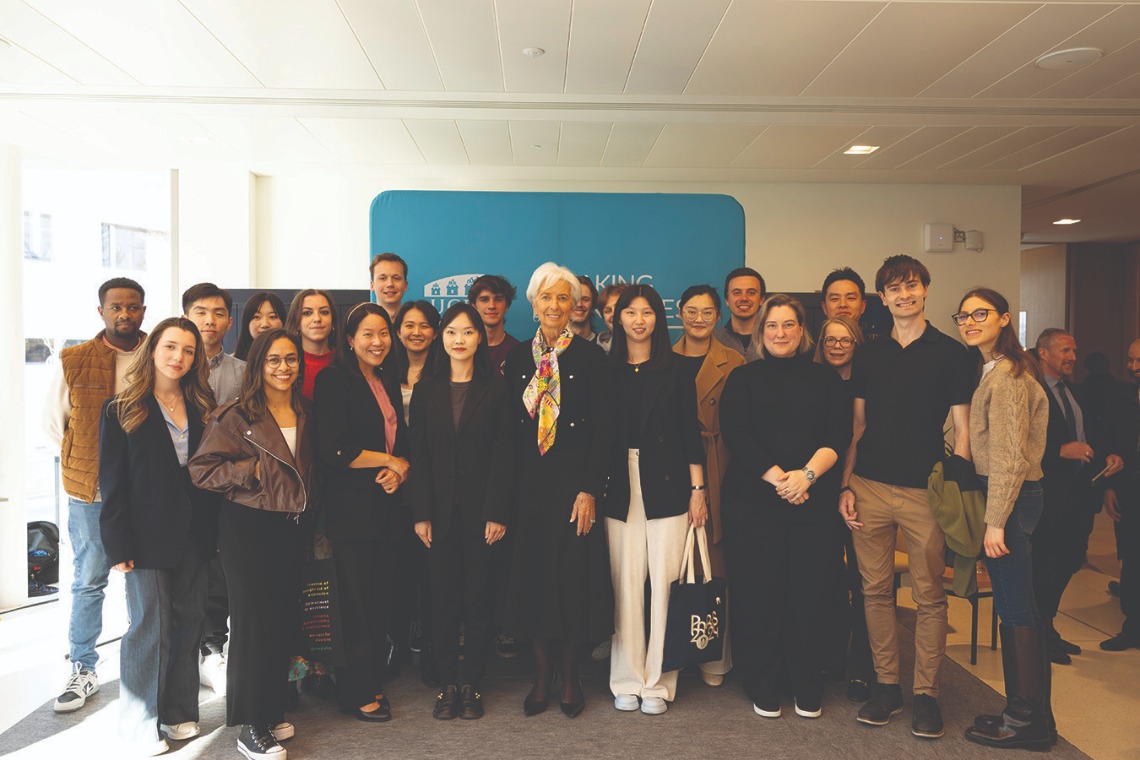
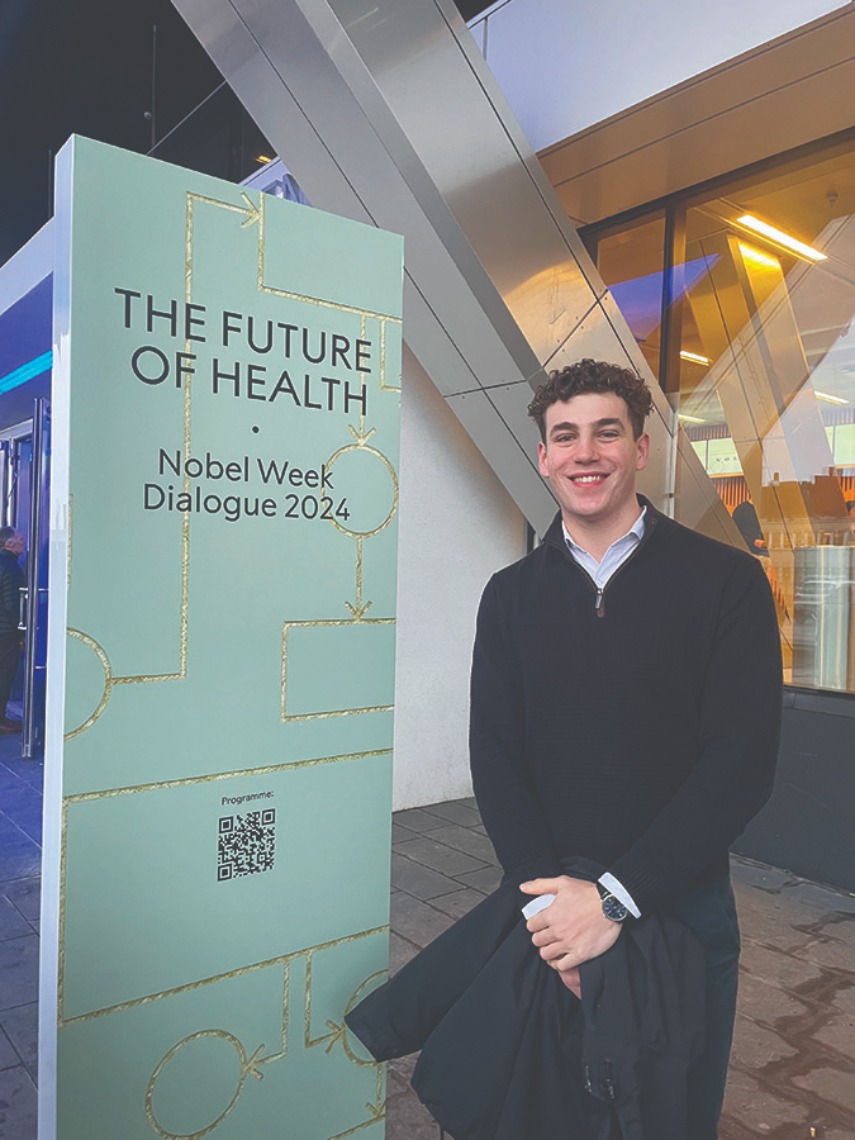
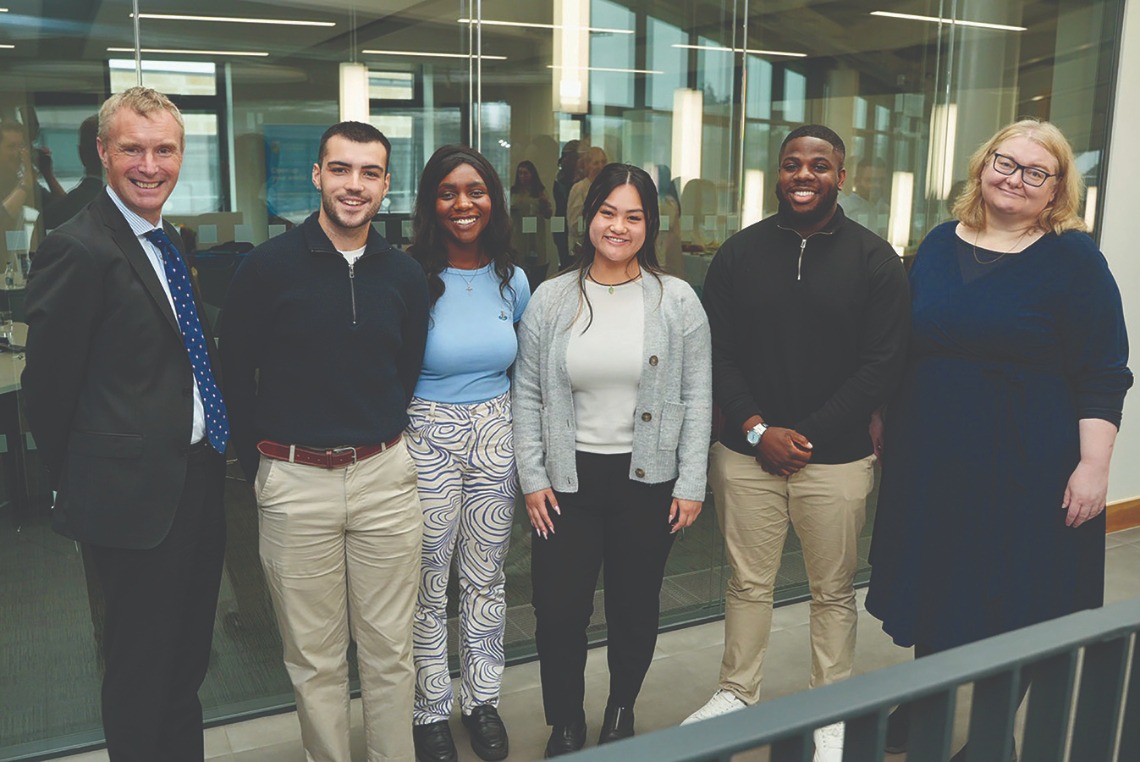
In April, Christine Lagarde, President of the European Central Bank, met with Business students during her visit to Dublin when she was honoured with the Business & Finance Media Sutherland Leadership Award.UCD Smurfit School students won the CFA Ireland Research Challenge Champions for a fourth year in a row: L-R, front row: Nell Breathnach, Sam Crean, Conor Schmidt, Fanny Menardo; L-R, back row: Marie Gillespie (Professional Mentor), Tomás O’Ceallaigh, Dr Cormac MacFhionnlaoich (Academic Mentor).The new UCD Global Lounge at our Singapore campus, officially opened by the Ambassador of Ireland to Singapore, Her Excellency Sarah McGrath, pictured here with Dean of UCD College of Business, Prof. Anthony Brabazon, and President of Kaplan Higher Education Academy, Dr Susie Khoo.Dean of UCD College of Business, Prof. Anthony Brabazon, UCD Students’ Union President, Miranda Bauer, Director of UCD Smurfit School, Prof. Federica Pazzaglia; Director of UCD Students Services and Facilities, Dominic O’Keefe, and Centre Manager, UCD Smurfit School, Denis Moran, at the new Smurfit Gym.Student Artur Jegesi represented Ireland at the Nobel Dialogue Week in Stockholm where a distinguished cohort of young change-makers explored solutions for global inequality and injustice.UCD Smurfit Executive Development Academic Director, Prof. Joe Peppard and Ronan O’Gara.UCD Quinn School students in Cairo.The Aspire Scholarship Programme.KPMG Denis O’Connor Memorial Scholarship awardees Grace Zhu, Shedrack Alli, Grace Odunlami and Sam Marin Lee with Prof. Anthony Brabazon and Assoc. Prof. Maeve Houlihan.
Our incredible alumni and friends are helping to level the playing field for UCD students from diverse backgrounds by supporting life-changing scholarships
This is an exciting time of year for students preparing to start their UCD journey. They have worked hard to earn the points for their chosen degree course and they are ready to embark on a new pathway that promises limitless possibilities. A university education opens the door to lifelong friendships, a vibrant and supportive community, and the opportunity to develop the necessary skills and knowledge for future career success.
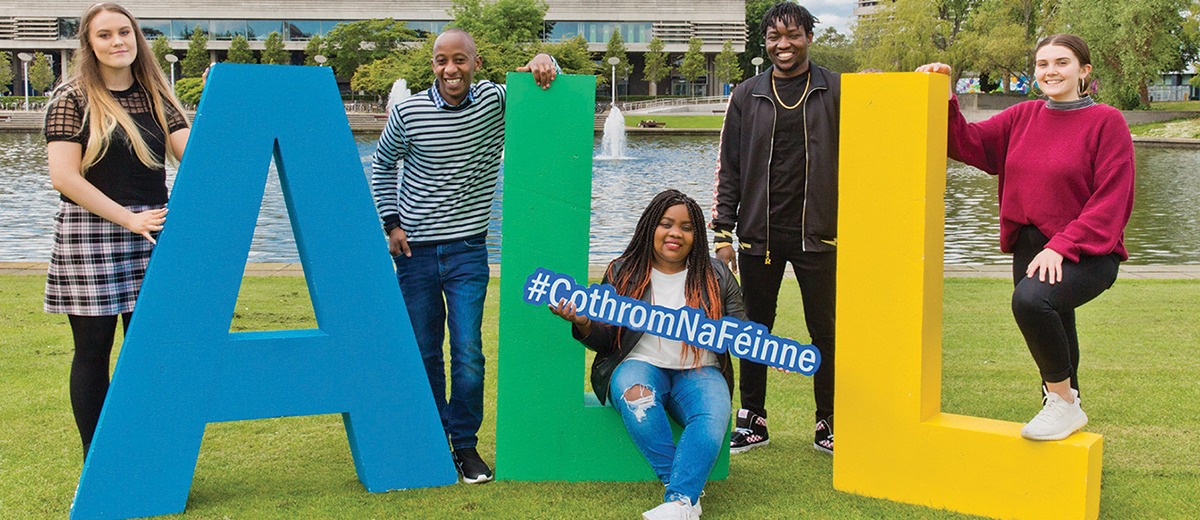
For many students, accepting their offer of a place in UCD would not be possible without the support of a ‘UCD Champions’ Cothrom na Féinne (“fair deal”) scholarship. For those struggling to meet the ever-increasing costs of day-to-day living, a scholarship alleviates the burden of financial worry and empowers them to keep striving towards their goals.
Knowing that we can rely on the incredible generosity of UCD Champions, the alumni and philanthropic donors who fund Cothrom na Féinne scholarships, means the world to us. Your support is transforming outcomes for brilliant students like Trinity (below) by giving them the helping hand they need to fulfil their extraordinary potential.
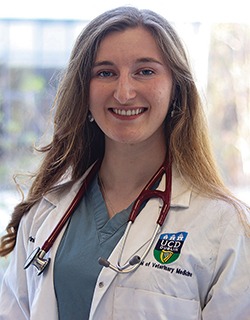
Trinity Dockery / UCD Cothrom na Féinne Scholar
“Beginning my time in UCD, I was focused on trying to feel accepted as a HEAR [Higher Education Access Route] student. With the help of the team in Access & Lifelong Learning, I started to feel that I had earned my place in Veterinary Medicine. However, the daily financial struggles I faced exacerbated a lot of doubts in my mind. I had sacrificed so much to get into the degree, but it still didn’t feel like I’d won. The scholarship gave me a huge sense of relief. It enriched my student life, allowed me to complete my work placements, and freed me up to be more engaged in volunteer work, societies and sports. My past and background are only part of my story – the scholarship helped me to start living the rest of it.”
My past and background are only part of my story – the scholarship helped me to start living the rest of it.”
Increasing support in challenging times
The ongoing cost-of-living crisis is causing significant financial stress and suffering for many students and their families. In response to this crisis, UCD Access & Lifelong Learning made the decision last year to increase the minimum value of Cothrom na Féinne scholarships from €1,500 to €2,500. To meet the growing demand for student hardship support, we rely more than ever on the generosity and commitment of our community of UCD alumni and friends.
We are deeply grateful that you are there for our students when they need you most. Your support encourages and inspires them to do their best and move forward with confidence.
Philanthropy plays a crucial role in supporting a sustainable campus, a thriving student community and world-leading innovation at UCD
Juliana Carton
As the country’s largest and most influential university, UCD makes a huge contribution to Ireland’s economy, culture and society. We are committed to breaking the boundaries of existing knowledge to shape a sustainable and secure future, and this relies on investing in campus facilities that support the wellbeing of our diverse academic community and promote dynamic engagement and collaboration across the university. The Belfield campus is ever evolving to meet the needs of a progressive, global university, and there are a number of significant capital projects currently underway at various stages.
The funding landscape for higher education in Ireland remains challenging, and UCD and other universities rely on philanthropic donations to help fund essential investments in infrastructure, research, and student welfare and attainment. We are grateful for the ongoing commitment and generosity of our community of alumni, philanthropic supporters and corporate partners who share our vision for UCD as a model of excellence and inclusion in education, and a place that transforms the lives of our students and the wider world.
Healthy bodies, healthy minds
Aisling O’Connor
UCD’s sports amenities are at the heart of a vibrant student life on campus. We are rightly proud of our elite athletes, who compete at the highest levels internationally, and we recognise the importance of having world-class facilities to support the training and development needs of these talented sportspeople. We also know that sports clubs and societies enhance the lives of a much broader cohort of students and other members of the university community who may never aspire to win medals or trophies but nonetheless derive enormous benefit – physically, mentally and socially – from getting involved in sports on campus.
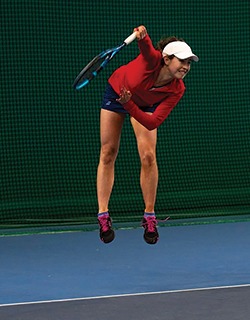
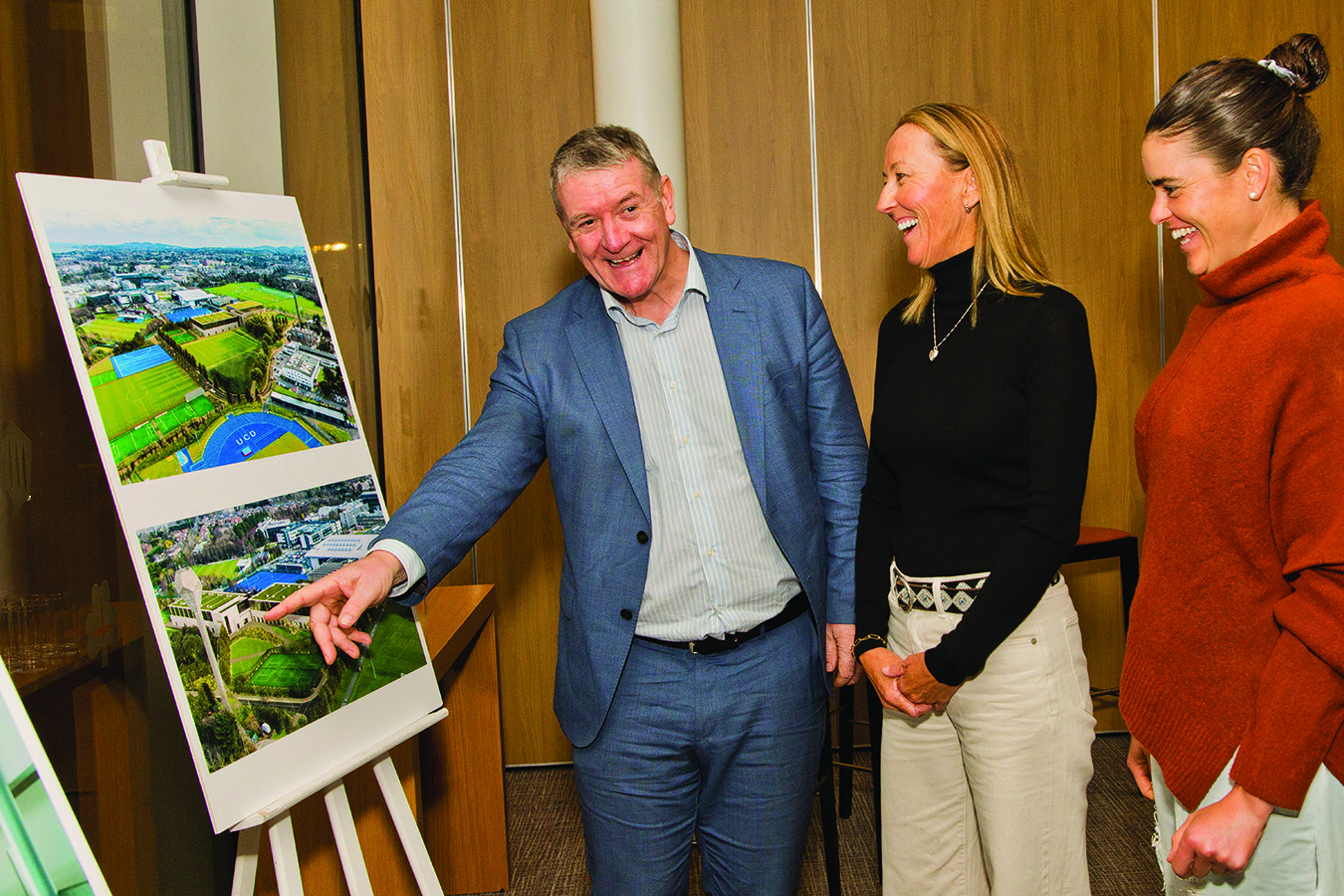
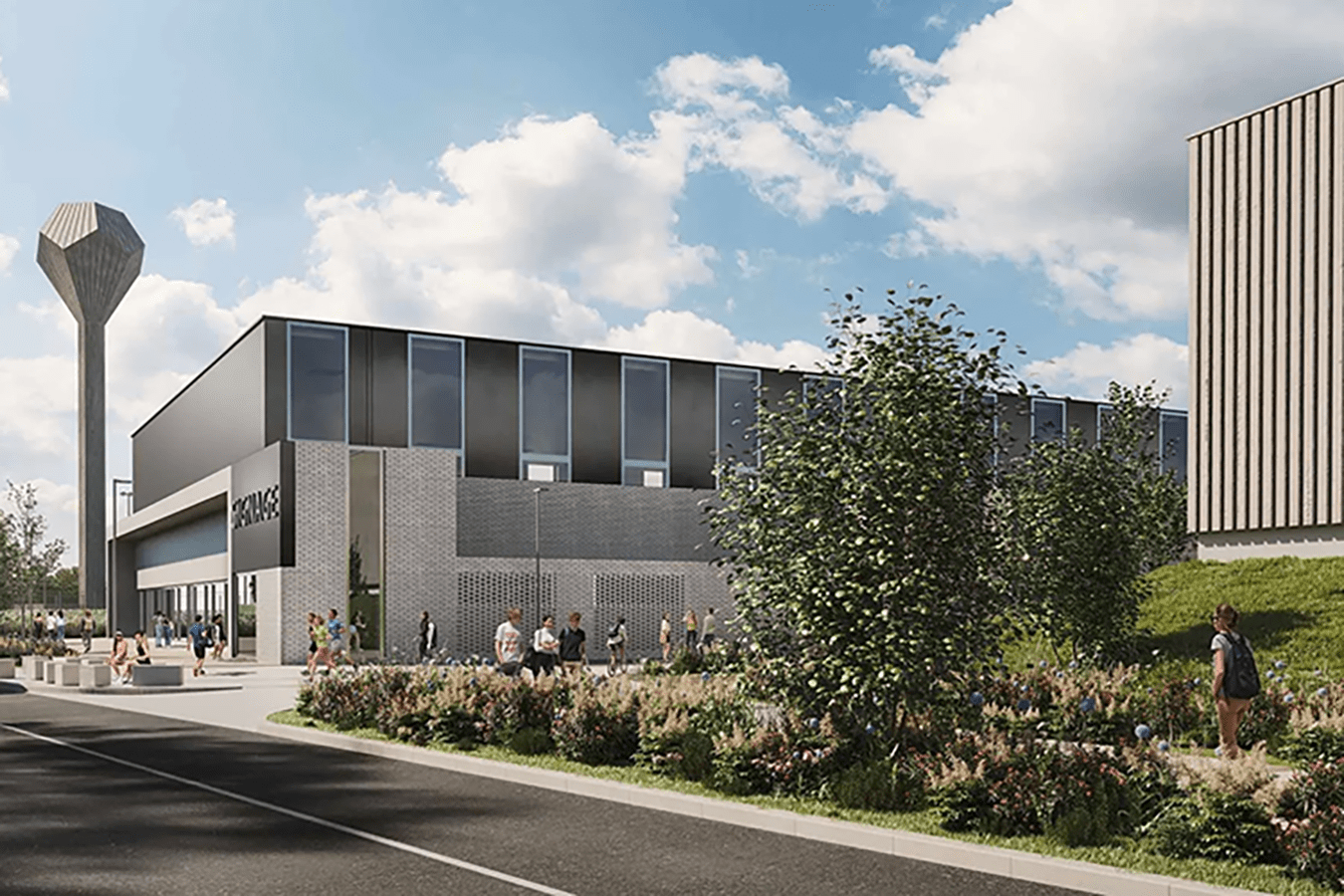
As part of a wider upgrading of UCD’s sports facilities, which has included the resurfacing of playing pitches and the completion of a state-of-the-art athletics track, preliminary work has commenced on a new Sports and Amenities Precinct at the Clonskeagh end of the campus. The precinct will include a new basketball court and five new indoor tennis courts. These will be instrumental in the creation of a centre of excellence for tennis at UCD, which it is envisioned will have a transformative impact in developing and nurturing the talents of young tennis players throughout Ireland. Crucially, it will also give players an attractive choice to stay in Ireland for university while continuing to play at an elite level in national and international competitions.
These dynamic new facilities will also serve as an examination centre during the busy exam period. This will be a gamechanger for students, relieving them of the added stress of having to travel to the RDS to sit exams that cannot currently be accommodated on campus. The precinct will also include a performance building with music practice rooms and a dedicated space for dance and musical rehearsals.
Students were actively involved in the consultation process for this significant enhancement to their campus, and voted in 2019 to fund the project from the Student Centre Levy to the tune of €87 million. First introduced in 1996, the Student Centre Levy is used to fund non-academic student-focused activities and resources. UCD Foundation is seeking to raise an additional €8 million in philanthropic funding for the development of the Sports and Amenities Precinct.
Dominic O’Keeffe, Director of Student Services & Facilities at UCD, discusses plans for a centre of excellence for tennis with tennis players Mandy Wilson and Jennifer Brady.Sports and Amenities Precinct.Dave Miley, Georgia Drummy, Adrian O’Farrell, Prof. Pat Guiry, Mandy Wilson, Jennifer Brady, Conor Niland and Billy Dempsey at the UCD Foundation information evening to discuss the centre of excellence for tennis.
A culture shift in science
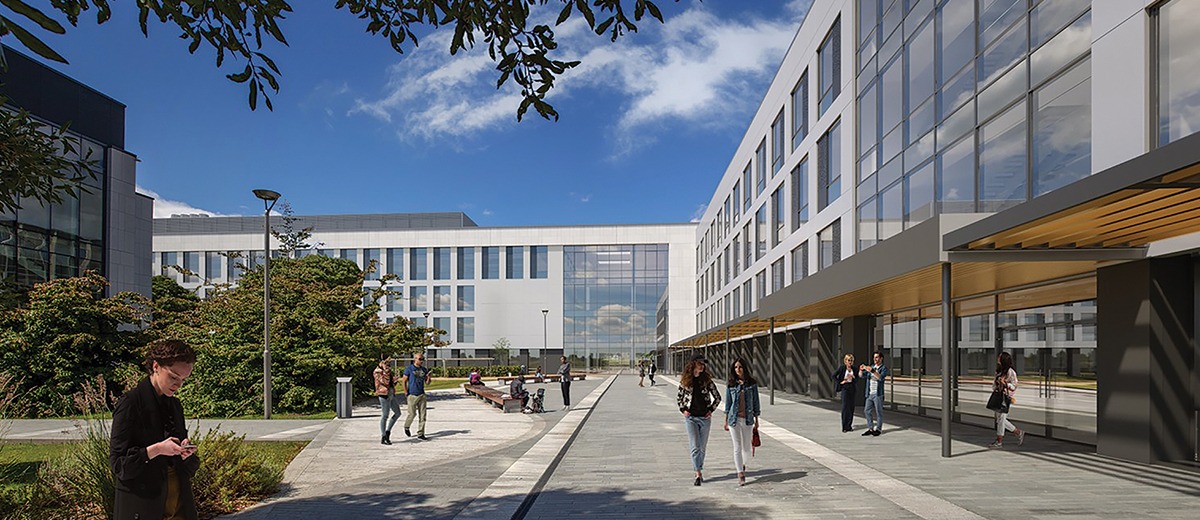
Science education and discovery have always been a cornerstone of UCD, and have been a key focus of our campus development over the past two decades. The opening of UCD O’Brien Centre for Science in 2013 was the culmination of the first two phases of a major investment in UCD College of Science. Now, the third and final phase of this project is nearing completion, and UCD will be home to a modern Science District that sets a new paradigm for science education and research.
With the expansion and renovation of the West and North buildings of the original Science complex, which date back to the 1960s, the College of Science will occupy 66,000 square metres on campus, ranking it among the largest dedicated centres for science in Europe. The additional space will not only provide much-needed capacity to increase the numbers of science students and faculty at UCD, it will support a transdisciplinary approach to teaching, learning and research, and the development of a pipeline of highly competent and agile graduates with the skills and confidence to meet the challenges of the future.
Sustainability, inclusivity and student wellbeing have been to the fore at every stage of the design and construction. Retaining the original concrete structure and repurposing existing materials as much as possible has saved about 2,700 tonnes of carbon, and technologies for the capture and reuse of heat and rainwater have been incorporated in the build. The finished building will have an A3 energy rating, which is impressive for such a large space equipped with intensive laboratory facilities.
UCD O’Brien Centre for Science.
Internally, the design is focused on creating welcoming, collaborative spaces and learning commons that will enhance the student experience by fostering connection and reducing the feelings of isolation and loneliness that can sometimes arise in a big place – particularly for PhD students, whose work is often quite solitary in nature. These spaces will bring together students, faculty and researchers from all disciplines and stimulate sharing of ideas and knowledge, embracing a culture shift in the way science is taught.
A dedicated Innovation Garage will support entrepreneurship among early-career researchers. Philanthropically funded grants will be made available to allow them the time and space to explore the viability of their ideas for real-world applications, and they will have access to design support, prototyping tools and intellectual property mentoring.
Students and faculty are moving into the new facilities starting this academic year, heralding a new era for UCD Science. The focus now is on fitting out the lab spaces with adaptability in mind, building in the flexibility to evolve as new technologies emerge over the coming decades. Thank you to all the alumni, corporate partners and supporters whose philanthropic donations are making this possible.
UCD O’Brien Centre for Science, Phase III.UCD O’Brien Centre for Science, Phase III.UCD O’Brien Centre for Science, Phase III.James Joyce Library.
A library for all
The €35 million redevelopment of the iconic James Joyce Library is progressing at pace, with the current phase set to deliver a new Cultural Heritage Centre. This will house UCD Archives, the National Folklore Collection, and UCD’s Special Collections, and make these valuable resources more accessible to students and the wider public.
The Library is central to student life on campus, and having a warm, welcoming, safe place to study is paramount to the student experience. This is particularly important for the many students who spend full days on campus, bookended by long commutes to and from UCD, and those with less-than-ideal study environments at home.
The refurbished library will include around 3,000 study spaces (an increase of 46%), as well as neurodiversity-friendly sensory spaces. Accessibility and inclusion are at the heart of the design, which celebrates and supports the unique potential of each individual within our diverse student population.
Declan McCourt (1946-2024).
In memory of Declan McCourt
Declan McCourt (15 April 1946 – 18 October 2024) was a visionary entrepreneur who was deeply committed to public service. He worked tirelessly to advance the ambitions of UCD Sutherland School of Law over many years in his role as chair of the Development Council, and he was instrumental in securing philanthropic funding for the Sutherland School building. A UCD alumnus himself, Declan was a great friend to the University and placed enormous value on education and scholarship. He supported philanthropic initiatives that transformed students’ lives through scholarships and bursaries.
To honour his memory it is fitting that the perpetual Declan McCourt Masters Scholarship in Law has been established, thanks to generous donations from UCD alumni and friends of Declan’s, including a founding gift from American businessman and philanthropist Mark Pigott.
Thank you
The generosity of our outstanding community of alumni, volunteers, strategic partners, and friends has an extraordinary and far-reaching impact. Thank you for all that you contribute to UCD’s success.
■ To learn more about how you can support these projects and other initiatives at UCD, contact UCD Foundation by email at info@ucdfoundation.ie or telephone 353 01 716 1406.
Dr Elizabeth Farries, Director of UCD Centre for Digital Policy, leads the FORSEE project to explore the benefits and risks of Artificial Intelligence (AI) from a societal perspective in order to enhance AI capabilities and EU regulatory frameworks.
UCD is Ireland’s leader in AI and computational sciences, at the forefront of national capabilities. We look at seven applications that harness the power of this transformational technology
Artificial Intelligence (AI) has transformed the world as we know it forever. In its wake, AI cuts two diverging streams of risk and opportunity, both demanding the best expertise and the most inclusive collaboration to be navigated successfully for the benefit of all humanity.
UCD is in pole position to meet this challenge. The University’s world-class researchers across all six colleges are exploring the applications of AI, while those in the schools of mathematics and computer science have been pioneers of fundamental research for decades.
Projects such as GENSHIELD AI (mitigating adversarial threats from generative AI and proactive fraud prevention for future networks), MANOLO (trustworthy efficient AI for cloud-edge computing) and FORSEE (forging successful AI applications for European economy and society), led by UCD Centre for Digital Policy, exemplify national and international research at the highest level.
UCD is home to CeADAR, Ireland’s Centre for AI, which is co-funded by Enterprise Ireland and IDA Ireland. It hosts a European Digital Innovation Hub which supports companies to overcome challenges and enhance their competitiveness through technologies including AI. The University’s innovation hub, NovaUCD, runs the AI Ecosystem Accelerator programme in partnership with CeADAR to support entrepreneurs developing AI solutions for the global market, while UCD School of Computer Science is home to ML-Labs, a Research Ireland-funded PhD training centre.
Associate Professor Brian MacNamee, UCD School of Computer Science, is co-director of the Research Ireland Insight Centre for Data Analytics, which is Ireland’s largest nationally funded research centre and co-hosted at UCD where AI – especially trustworthy AI and ethics in AI – is a key priority.
He said: “I think it’s fair to say that UCD is Ireland’s leader in AI research. We have the greatest concentration of world-leading academics working in the field – a lot of them are involved in Insight. More than 100 UCD researchers at the Centre are working on AI applications, fundamental AI technologies, the next generation of algorithms, tools and techniques that are going to drive the field forward.”
HEALTH
Applying AI to improve patient outcomes
Ireland’s leaders in predictive modelling, precision medicine and bio-clinical informatics are based at UCD. Systems Biology Ireland is leading pioneering genomics and ‘digital twin’ studies in Ireland and the US, which use AI and leading-edge computational approaches for cancer treatment. The MAGIC-I project will offer free enrolment to every child cancer patient on the island of Ireland for the next five years. The new technology matches the best treatment to every patient while reducing negative impacts such as toxicity from chemotherapy.
The UCD AI Healthcare Hub and UCD Centre for Precision Surgery, at the Mater Hospital Digital Surgery Unit, both collaborate with tech partners to enhance healthcare decision-making and the innovation ecosystem through AI technologies.
The UCD Insight Centre is leading the world in how AI is used to interpret mobility data from wearables to manage health outcomes. Researchers at the Centre are also defining how clinicians use AI to augment their work and are supporting Ireland’s first embedded AI researcher at the Mater Hospital.
Prof. Ronan Cahill is Professor of Surgery at UCD School of Medicine and Mater Misericordiae University Hospital, and leads the UCD Centre for Precision Medicine and Ireland’s first digital surgery unit at the Mater.
SPACE
Data-driven missions
Technology in space underpins all aspects of modern life, from communications infrastructure to Earth Observation (EO) data, with vast downstream benefits in sectors such as advanced manufacturing, engineering and climate resilience, all enabled by AI. UCD has been fundamental to developing Ireland’s space sector, launching the first dedicated interdisciplinary space research centre (UCD C-Space) and Ireland’s first satellite in space.
The CAMEO (Creating an Architecture for Manipulating Earth Observation data) project is developing a new platform and tools for the analysis of EO data for use by government, industry and the public. Academic research itself will be a major beneficiary of CAMEO’s data platform.
The All-Ireland AI-enhanced Peatland Monitoring Platform (AI2Peat), which combines artificial and human intelligence to combat climate change, is a project that utilises satellite data, led by iCRAG applied geosciences research centre and CeADAR.
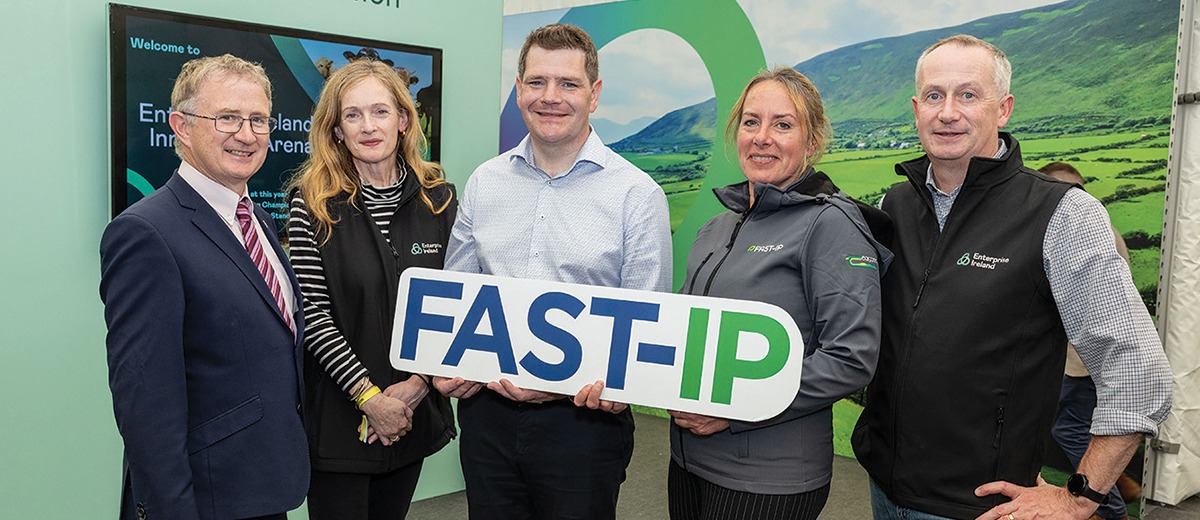
Prof. Frank O’Mara, Teagasc Director; Marina Donohoe, Head of Research and Innovation at Enterprise Ireland; Peter Burke TD, Minister for Enterprise, Trade and Employment; Prof. Kate Robson Brown, UCD Vice-President for Research, Innovation and Impact and Leo Clancy, CEO, Enterprise Ireland, at the National Ploughing Championships.
FOOD AND AGRICULTURE
AI-powered insights
Led by UCD School of Computer Science, the CONSUS project (Crop Optimisation Through Sensing, Understanding and Visualisation) was a pioneering strategic partnership between Origin Enterprises and world-class researchers recruited globally for their expertise, exploring digital/precision agriculture and crop science. To this day, the research and innovation generated under CONSUS has been transformational for the company and informs education and research programmes centred on data science, machine learning and new technologies that are disrupting the agricultural and agronomic sectors.
In partnership with Teagasc, UCD’s FAST-IP programme supports early-stage start-ups in agri-tech, providing training in digital agriculture, with access to the AgTechUCD Innovation Centre, which is based at UCD’s research and training farm in Co. Kildare.
At UCD Institute of Food and Health, the Food for Health Ireland programme specialises in the use of bioinformatics and computational approaches in research into food and health, particularly involving peptides. The Institute runs a number of significant projects that apply AI, such as the international WATSON project which uses digital and intelligence-based technologies to assist stakeholders to identify and prevent food fraud across the whole food chain.
UCD School of Biosystems and Food Engineering is pioneering the application of AI in food manufacturing. Its unique programme focuses particularly on the circular bioeconomy and carbon-negative food production, with research areas including multi-sensor data fusion and AI-optimised sustainable food production from waste streams.
DIGITAL CULTURES | CREATIVE FUTURES
Augmenting human creativity
The role of artists, writers, makers, designers and creative thinkers has never been more vital to our world. To support dynamic creative and cultural sectors today and in the future, UCD College of Arts and Humanities has formed a ground-breaking partnership with IADT and NCAD to establish the Creative Futures Academy. Led from UCD, the Academy explores collaborations including with CeADAR, Ireland’s Centre for AI, to explore how this technology can impact the place of reading, writing, thinking, debating, collaborating, and creating.
Since 2018, UCD Centre for Cultural Analytics has been developing a research ecosystem for digital humanities. Providing a hub for international networks, it combines expertise from across arts, humanities and computer science in cultural criticism and data analysis, traditional disciplines and new computational approaches. The Curatr platform developed at UCD Insight – Centre for Data Analytics is a great example of how computational and humanities researchers are together defining how AI can be used to support exploration and curation of literature.
ENGINEERING – MANUFACTURING
Unlocking future potential
Based at UCD, I-Form, the Research Ireland Centre for Advanced Manufacturing, is the national leader in the application of digital and intelligence-based technologies in materials processing. Its researchers use AI, data analytics, augmented reality, predictive modelling and process simulation to create individualised products and new markets that were not previously possible, in areas such as medical devices, aerospace and pharmaceutical manufacturing.
One of I-Form’s funded investigators, from UCD School of Mechanical and Materials Engineering, leads the XenoSim project which uses computational mechanics to run simulations and provide fundamental clinical insights to enable animal-to-human cardiac transplantation.
UCD School of Electrical and Electronic Engineering is home to leading experts in advanced technologies using or enabling machine learning and AI, such as signal processing and quantum computing. Equal1, a UCD spinout and Ireland’s first quantum computing company, has developed the first commercially viable quantum system built to run inside existing AI and high-performance computing data centre environments.
ENVIRONMENTAL SUSTAINABILITY
Towards a common goal
UCD is a leader in Ireland and internationally in net-zero carbon energy research. UCD Energy Institute coordinates the highly ambitious NexSys (Next Generation Energy Systems) programme, with eight leading research institutions and nine industry partners, working towards a decarbonised energy system. Experts across its five research strands use AI and computational technologies to find innovative solutions for this era-defining challenge, including the development of an algorithm to identify reusable energy sources from different consumer groups in cities.
Other major projects in various areas of sustainability at UCD include the UCD-Met Éireann programme which will soon launch a national centre for weather and climate research using AI and data science; AI4Coasts, which uses AI to improve coastal resilience in data-sparse locations; and Vacancy Map Ireland, which is developing an open geospatial data model for vacancy using proxy datasets GIS and AI.
HUMAN-AI INTERACTION
A powerful tool to enhance human capabilities
UCD is a leader in research on how people interact with AI systems, always taking a human-centred perspective that puts people first. Based on decades of world-leading research on recommender systems, researchers at UCD Insight – Centre for Data Analytics have led a multi-year, multi-million euro collaboration with Samsung, redefining how AI is used to recommend media to users. The ViSQOL project, in collaboration with Google, is defining AI-driven objective measures for streaming audio quality. Insight’s cutting-edge explainable AI (XAI) research is defining new ways to make AI models transparent and interpretable.
The HCI@UCD group, one of Ireland’s largest human-computer interaction research groups, performs world-class research. For example, the work led by UCD School of Information and Communication Studies (SICS) on how people interact with AI-powered avatars and the EU Kids Online project which examines how children can safely use generative AI. At UCD School of Electrical and Electronic Engineering, researchers are developing a new generation of sensitive robotic hands and fingers to allow delicate operations.
Rankings, researchers and a revolutionary make headlines
UCD RISES IN WORLD UNIVERSITY RANKINGS
UCD is ranked 118th in the latest QS World University rankings, up eight places from last year. This marks the third consecutive year of upward movement for the University, which also remains in the top 100 for employment outcomes, at 88th globally.
Among best in the world for subjects and sustainability
Four subjects at UCD are ranked in the top 50 globally in the QS World University Rankings by Subject 2025. The top-ranking subjects are Veterinary Science (33), Petroleum Engineering (34), English Language and Literature (41) and Nursing (44). A further nine subjects at UCD are listed in the top 51-100, with a particularly strong representation across Arts and Humanities.
In the latest sustainability rankings, UCD is ranked number one in Ireland and 49th in the world, and is the only Irish university to make it into the top 100 globally. This reflects UCD’s commitment to sustainability and is based on the University’s performance in the areas of environmental impact, social impact, and governance.
Ireland’s top business school
UCD Michael Smurfit Graduate Business School is named Ireland’s top business school in the latest Financial Times rankings and is ranked among the top 30 business schools in Europe for the ninth consecutive year. In the 2025 Financial Times MBA rankings, the school’s full-time MBA programme is ranked 73rd globally and is Ireland’s only MBA programme to make it into the prestigious top 100 list.
NovaUCD named one of Europe’s leading start-up hubs
NovaUCD is among the top 150 start-up hubs in Europe for the second year running, in the latest Financial Times rankings. It is one of only five start-up hubs and the only university-based hub in Ireland to feature on the list.
Prof. Diarmaid Ferriter, UCD School of History, at the launch of the digitised Mulcahy papers.
Mulcahy Papers Digitised
The digitised papers of 20th-century Irish revolutionary and political leader General Richard Mulcahy were launched at UCD James Joyce Library in January. The papers – generously donated by the Mulcahy Trust to UCD Archives in 1970 – provide in-depth accounts through materials such as correspondence, reports and memoranda of various events during the War of Independence. They are gradually being made available in the UCD Archives reading room throughout 2025.
Highly Cited Researchers Among World’s Most Influential
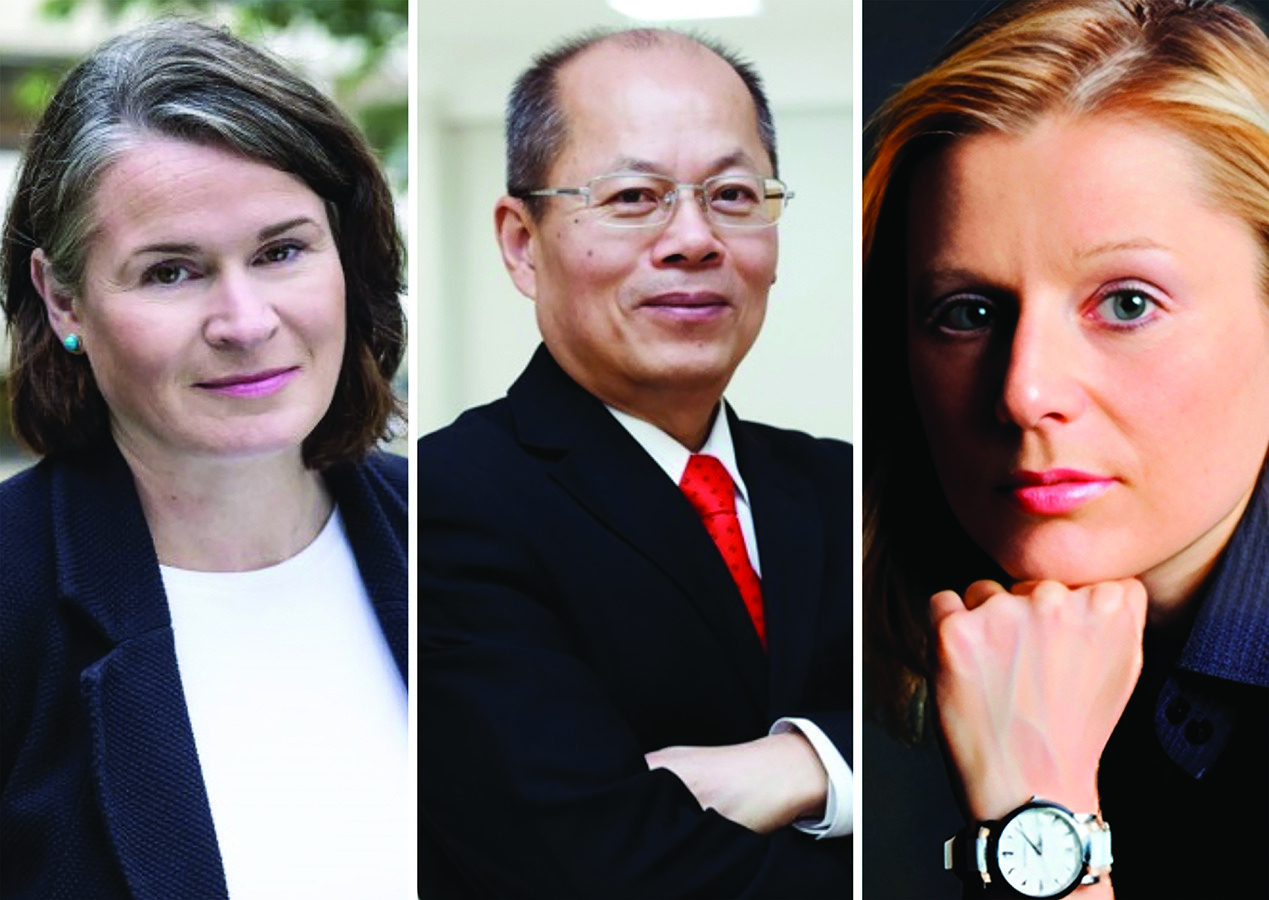
Three researchers and an Adjunct Professor at UCD are among the top 1% of the world’s most cited academics, according to the latest Highly Cited Researchers report by Clarivate Analytics. Professors Paula Bourke and Da-Wen Sun in UCD School of Biosystems and Food Engineering, Professor Eliana Souto in UCD School of Chemical and Bioprocess Engineering, and Dr Brijesh Tiwari, Adjunct Professor in UCD School of Biosystems and Food Engineering are all on the list, which identifies and celebrates individual researchers whose work has disproportionately extended the frontiers of knowledge and contributed to making the world healthier and more sustainable.
Prof. Paula Bourke, Prof. Da-Wen Sun, both of UCD School of Biosystems and Food Engineering, and Prof. Eliana B. Souto, UCD School of Chemical & Bioprocess Engineering.
Ireland’s Maths Superwomen
Dr Christiana Pantelidou, a Research Fellow in UCD School of Mathematics and Statistics, is leading a nationwide outreach project to inspire and empower girls in primary school to consider careers in STEM. Posters in English and Irish celebrating the achievements of seven Irish female mathematicians are being distributed to schools and community centres across the country.
Sheila Tinney, renowned mathematical physicist and UCD Associate Professor, features in the ‘Ireland’s Maths Superwomen’ project.
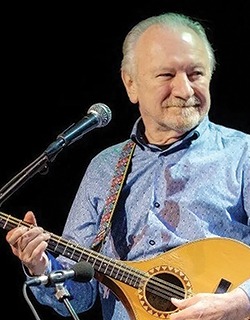
Dónal Lunny
Lifetime Achievement Award for Dónal Lunny
UCD Musician in Residence Dónal Lunny has been honoured with the prestigious lifetime achievement award at the annual RTÉ Irish Folk Awards. The renowned musician and composer has long been a driving force behind the popularity of Irish folk and traditional music, and is a founding member of seminal bands Planxty, the Bothy Band, Moving Hearts, Emmet Spiceland and Coolfin.
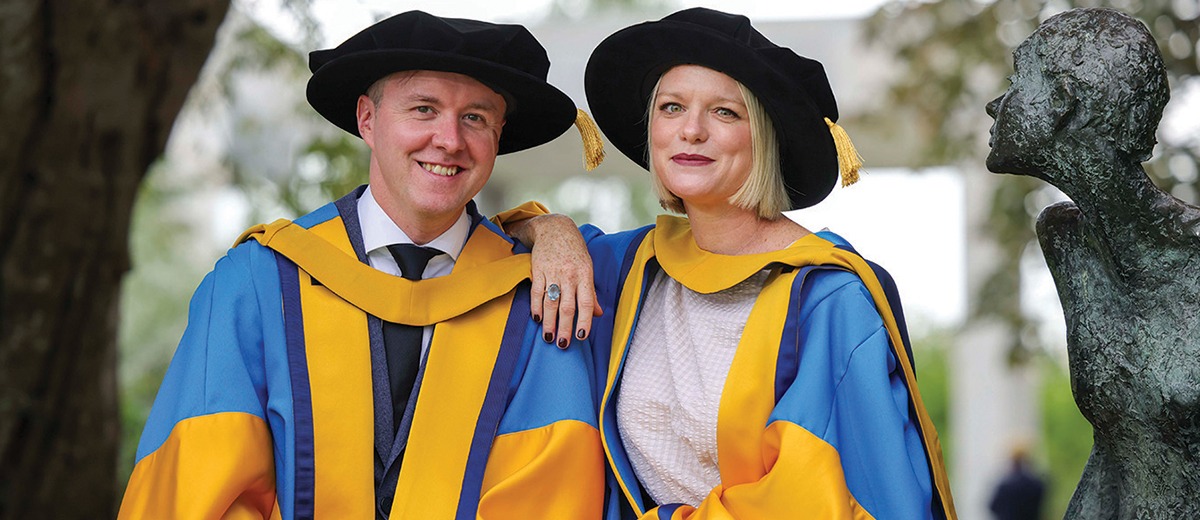
Colm Bairéad and Cleona Ní Chrualaoi
Acclaimed Broadcaster and Oscar-nominated Filmmakers among Recipients of UCD Honorary Degrees
UCD has awarded an honorary degree to award-winning broadcast journalist Orla Guerin in recognition of her great courage and expertise in reporting from conflict zones across the globe. The Dublin native became RTÉ’s youngest foreign correspondent, covering the collapse of the Soviet Union and the breakup of the former Yugoslavia, before she joined the BBC as International Correspondent in the Middle East. In a career that has led to numerous honours, including an MBE for Services to Broadcasting in 2005 and repeated Emmy and BAFTA nominations, she has covered foreign affairs, wars and disasters over many years.
Honorary degrees were also conferred on Colm Bairéad and Cleona Ní Chrualaoi in recognition of their outstanding achievements in the field of Irish language filmmaking and the global success of their feature film An Cailín Ciúin, the first ever Irish film to be nominated in the ‘Best International Feature Film’ category at the Academy Awards.
Other recipients of honorary doctorates from UCD in the past year include business leaders and philanthropists Angela Moore and Tony Smurfit, healthcare activist Missie Collins, former EU Commissioner Mairéad McGuinness, and renowned folklorist Professor Henry Glassie.
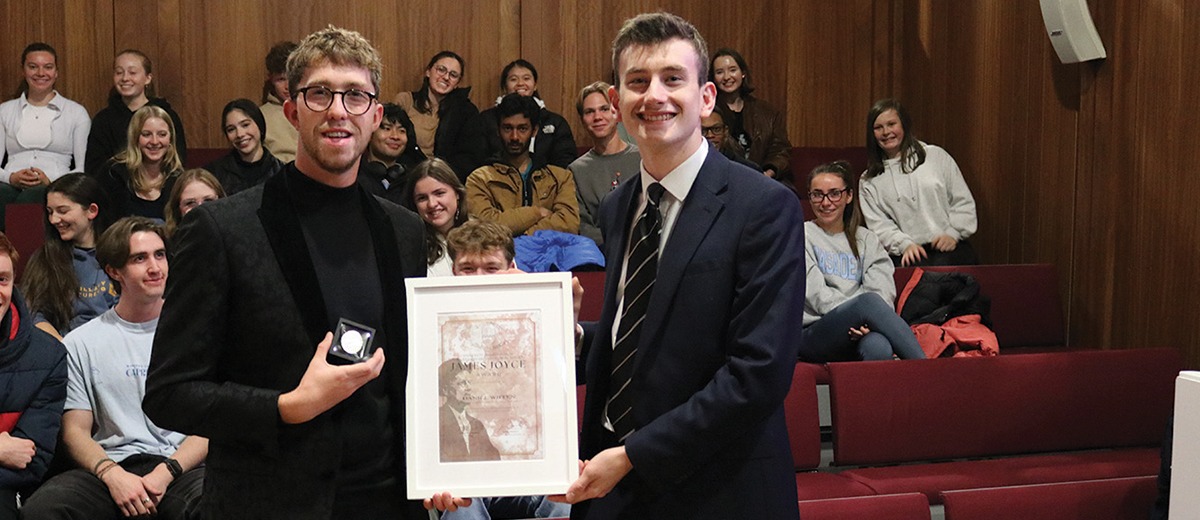
Daniel Wiffen is presented with the James Joyce Award by Stéphane de Bairéid, auditor of the L&H.
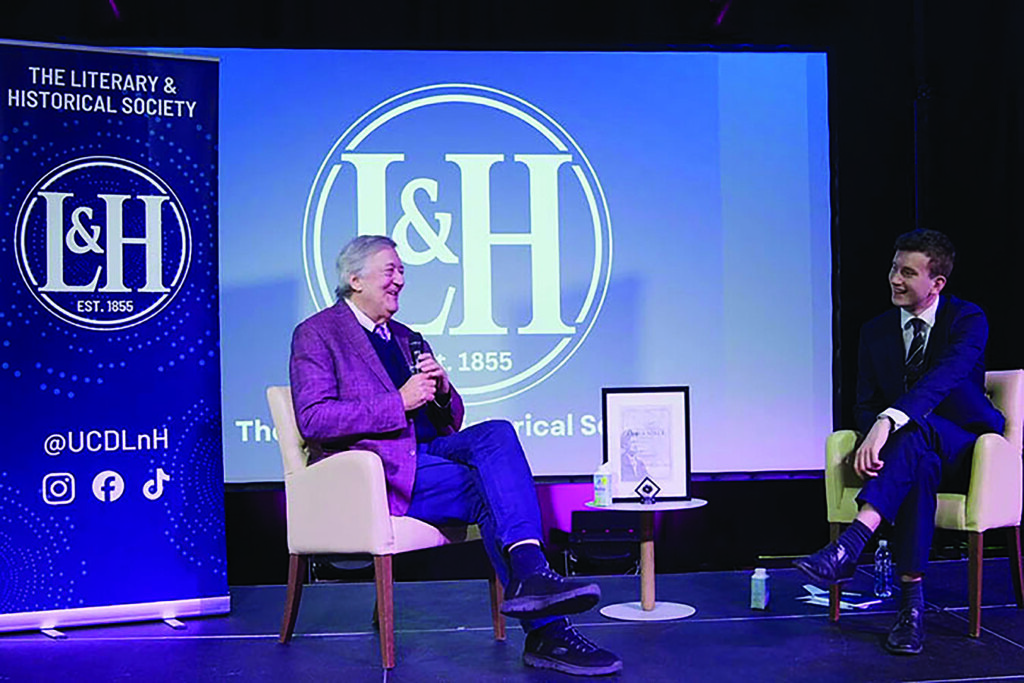
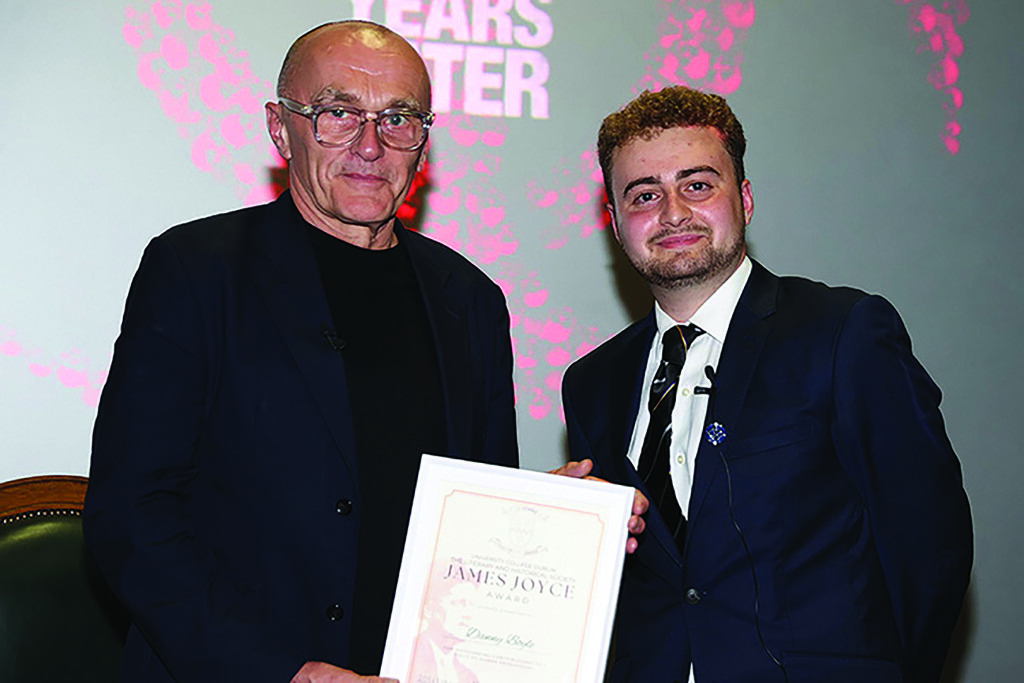
James Joyce Award Honour for Stephen Fry, Daniel Wiffen and Danny Boyle
In the past academic year, UCD’s Literary and Historical Society (L&H) has honoured Olympic champion Daniel Wiffen, actor, broadcaster, comedian and writer Stephen Fry, and acclaimed film director and producer Danny Boyle with James Joyce awards. Considered among the highest honour that any student body in Ireland can bestow, the James Joyce award is presented to public figures who have made an outstanding contribution in their field. Daniel Wiffen is a two-time world champion swimmer who made history at the Paris Olympic Games, winning gold in the 800m Freestyle and bronze in the 1,500m Freestyle. Stephen Fry has received multiple awards and nominations for his work throughout a career spanning more than three decades. Among Danny Boyle’s best known works are Trainspotting, The Beach, 28 Days Later and Slumdog Millionaire, which won the Academy Award for Best Picture in 2009. He also directed the opening ceremony for the 2012 Olympic Games in London.
Stephen Fry in conversation with Stéphane de Bairéid.Acclaimed Director Danny Boyle pictured as he was presented with UCD’s Literary and Historical Society James Joyce Award from Noah Mullen Clarke following a special screening of ’28 Years Later’ at UCD. Photo: Brian McEvoy.
Prof. Andrew Parnell.
Met Éireann Partners with UCD on Weather and Climate Research
AI expert Professor Andrew Parnell has been appointed to lead a new multi-million-euro research programme in a ground-breaking partnership between UCD and Met Éireann, the Irish Meteorological Service. The Met Éireann Weather and Climate Research Professorship was established to bridge the gap between research and operations by examining the context of high impact weather, flood forecasting and the understanding of Ireland’s climate. It will leverage the full power of data science and AI-based technologies to make Ireland better prepared for extreme climate and weather scenarios, and support the protection of life, property and infrastructure.
The aim is to create a world-class weather and climate research centre at UCD that plays a significant role in supporting Met Éireann to achieve its strategic objectives around enhancing citizen safety, bolstering economic and environmental resilience, and supporting multi-sectoral decision-making.
Following an international peer review process by Met Éireann, UCD’s application was selected based on its demonstration of excellence and impact, and its commitment to collaboration and knowledge transfer for the benefit of society and the economy.
Prof. Laurent Pech, Head of UCD Sutherland School of Law; Patrick Spicer, Chairperson of Matheson; and Susanne McMenamin, Corporate Partner at Matheson.
UCD Matheson Corporate Governance Partnership
UCD and law firm Matheson have begun a partnership to support the teaching and research of corporate governance and related law at UCD Sutherland School of Law. The partnership will include the appointment of a new assistant professor, the introduction of the Matheson UCD Governance Hackathon, which will see Law students working in teams to apply original thinking and problem-solving skills to fictional scenarios in corporate governance, and a new seminar series in which leading experts and practitioners will discuss and analyse the latest developments in corporate governance, company law and compliance.
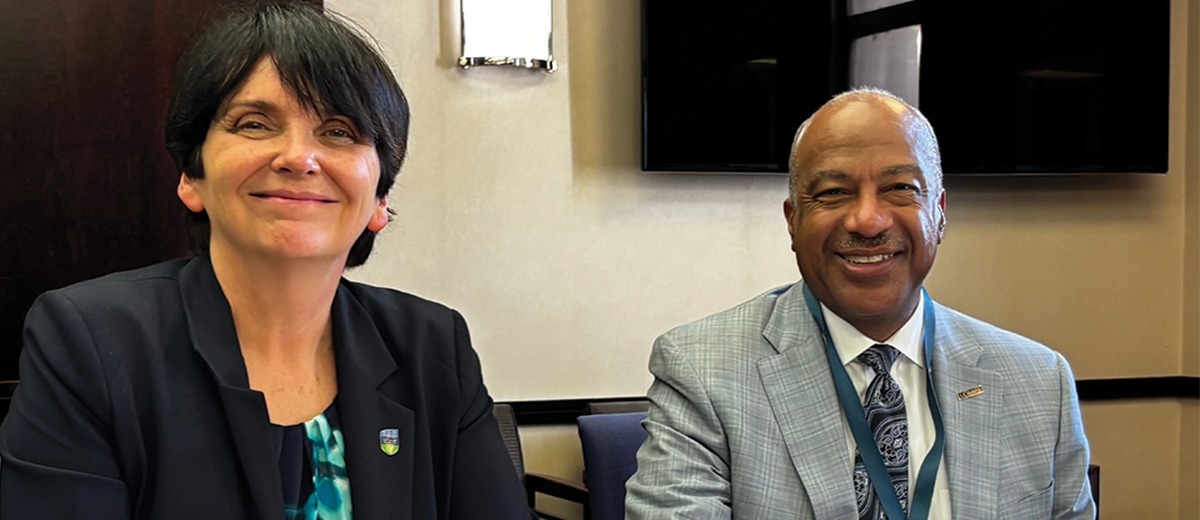
UCD President, Prof. Orla Feely and Chancellor of UC Davis, Prof. Gary S. May.
UCD Strengthens Strategic Partnership with UC Davis
UCD and University of California, Davis have signed an agreement of cooperation to address some of the most pressing global challenges. This latest agreement builds on over a decade of collaborative research and exchange between the universities and will focus on the themes of sustainable food systems, One Health, artificial intelligence and data science. Past collaborations have addressed a range of themes including agrifood, veterinary medicine, law, environmental research and health sciences. Both universities bring a depth of expertise and innovation to the long-standing strategic partnership.
The signing ceremony took place during the Universitas 21 Annual Network Meeting at UC Davis. The event was attended by Daniel Kearns, Talent and Innovation Attaché at the Consulate General of Ireland in San Francisco, who spoke of the exceptional quality of research in Ireland, emphasising that the most impactful research emerges through collaboration. He highlighted research as a cornerstone of societal progress, economic growth and inclusive, forward-thinking development, and described the partnership between UCD and UC Davis as a model for other universities to follow.
UCD Relay for Life
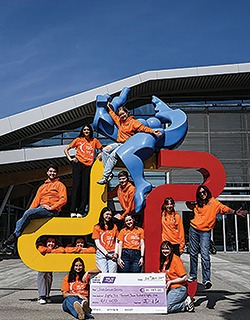
This year’s UCD Relay for Life raised over €86,000 for the Irish Cancer Society, which will go directly towards funding cancer research, and services such as night nurses and counselling for families affected by cancer all around Ireland. The 24-hour relay took place on the UCD athletics track and the event included a Candle of Hope ceremony, where those present were invited to lay a candle along the relay track in memory of a loved one lost to cancer. The event was the largest ever Relay for Life college event outside the US.
UCD Delivers First National Training Programme for Special Needs Assistants
UCD delivered the first dedicated national training programme for special needs assistants (SNAs). The comprehensive online programme, commissioned by the National Council for Special Education, was delivered by UCD School of Education, supported by UCD School of Nursing, Midwifery and Health Systems. It consisted of five modules over 10 months, and covered areas such as the principles of inclusive education, supporting students with autism, understanding the primary care and medical needs of students with additional needs, and communication and language difficulties.
There are approximately 20,000 SNAs now working in the Irish education system, providing crucial support to students with additional care needs at primary, post-primary and special schools. Since 2021, more than 1,300 SNAs have been conferred with a Diploma in Inclusive School Support from UCD.
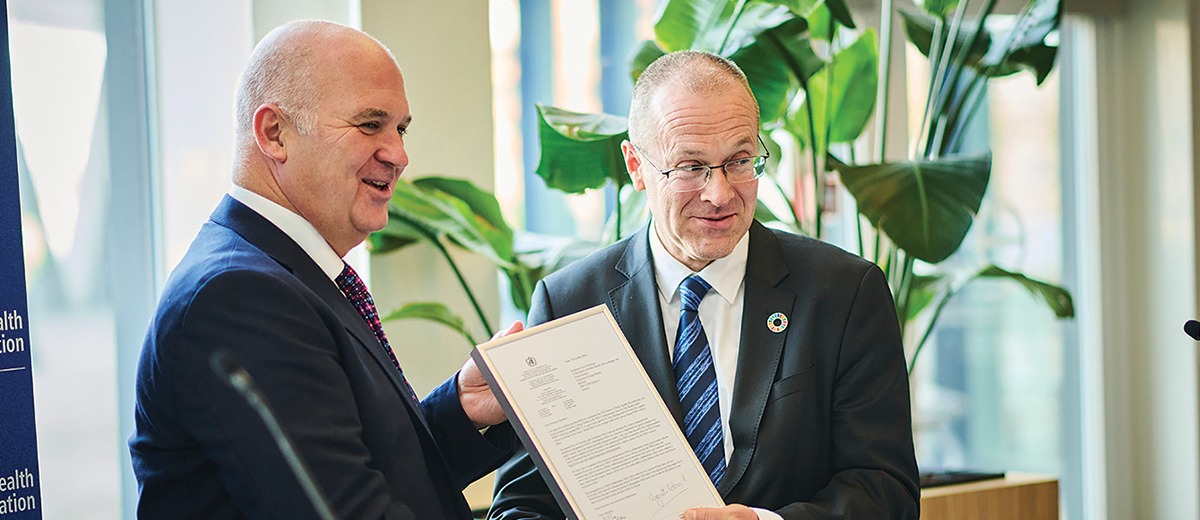
Adjunct Professor, Dr Tony Holohan, Director of the UCD Centre for One Health, and Dr Hans Henri P. Kluge, WHO Regional Director for Europe.
WHO Designation for the UCD Centre for One Health
The UCD Centre for One Health has been designated a WHO Collaborating Centre on One Health – the first of its kind in Europe. One Health is a collaborative, multisectoral and transdisciplinary approach that recognises that the health of people is closely connected to the health of animals, plants and their shared environment. The WHO designation provides UCD with significant opportunities to exchange knowledge and information with other world-leading institutions and drive research, education, and collaboration in One Health at national, regional and global levels to address the complex challenges facing humanity.
Artificial Intelligence Courses at UCD
Emerging AI technologies have the potential to transform business and healthcare, and shape societal norms. UCD is at the forefront of AI education and research in Ireland, offering a range of postgraduate courses and qualifications in the field. These include MSc degrees in Advanced Artificial Intelligence and Artificial Intelligence for Medicine & Medical Research, a Professional Diploma in Artificial Intelligence & Business Analytics, and a Professional Academy Diploma in Advanced Artificial Intelligence.
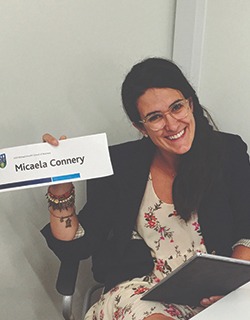
Micaela Connery developed the business plan for The Kelsey, a San Francisco-based not-for-profit organisation for the development of disability-forward inclusive community housing, while taking an MBA at UCD Michael Smurfit Graduate Business School
Photo by Elijah C. Collins
When Mitchell Scholar Micaela Connery arrived at UCD Michael Smurfit Graduate Business School in the autumn of 2016 to embark on her MBA, she already had a very clear idea as to what she hoped to achieve. Growing up, though Micaela moved around the eastern part of the US with her family because of her father’s job, she always considered Rhode Island home and spent summers there with a large extended Irish American family of Flynns, Connerys and O’Connors that included her cousin Kelsey. Born three months apart, the girls were close.
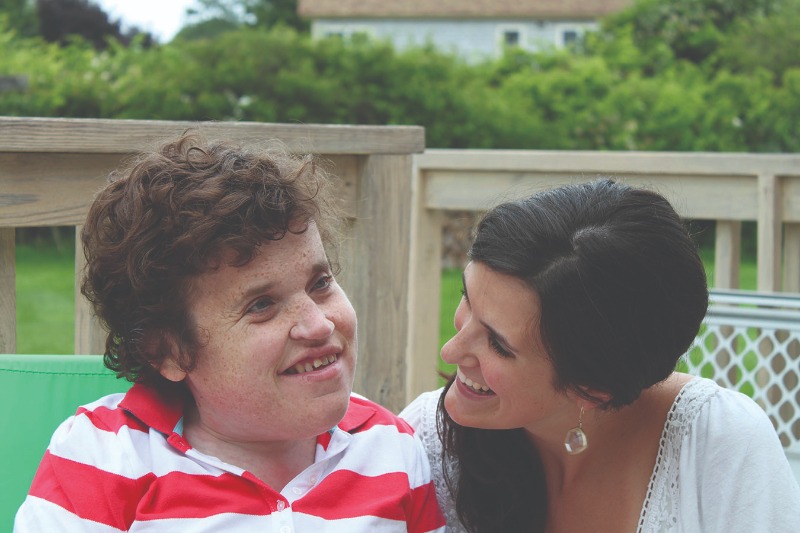
“Our moms, Keely and Chyleene, are sisters,” says Micaela. “My mom just digitised a bunch of our family home videos, and Kelsey and I are together in so many of them.” Though Kelsey needed 24/7 support and lived with multiple physical, developmental and medical disabilities – using a wheelchair to move around and modified sign language to communicate – when the cousins were elementary school age, they went to the same summer camps. “Initially there weren’t any inclusive camps,” explains Micaela, “but our moms finagled us into a sailing camp together and then my aunt Chyleene started an inclusive camp for kids with and without disabilities that we went to together.”
While Kelsey began her education at a special school, thanks to Chyleene’s work advocating for her daughter, she later moved to a mainstream school and participated in the same church and social activities as Micaela. “Kelsey was a real pioneer,” says Micaela. “She was in inclusive settings throughout her childhood and teenage years, even with her support needs. She was an advocate in her own right, and her parents and sisters were right there with her. When people said Kelsey couldn’t do X, Y, or Z, their response was, ‘Why? Let’s figure out how to build the structure so that she can participate.’ Before Kelsey was born, my aunt had worked in disability services as both an educator and a direct support provider so she knew this world very well. She was a remarkable advocate and I was a witness to that. Even now that Kelsey has passed [she died in 2018 at the age of 31], she continues, recognising that their advocacy to make communities more accessible wasn’t just for Kelsey, but for other people like Kelsey or with other disabilities. I think that’s profound.”
“Smurfit was where I put the business plan together, and once I graduated in 2017 I was ready to launch the business full time.”
From her closeness to Kelsey, Micaela understood from a young age that it was not Kelsey’s disability that was the problem, but rather the way spaces, places and experiences were designed that made things difficult for her. In 2002, at the age of 15, Micaela founded Unified Theater, a school-based arts programme for students with disabilities, which focused on inclusion and accessibility.
“I could see there was an option to do things another way that would make them possible for people like Kelsey,” explains Micaela, “and I felt driven to address this important, interesting and exciting work. It’s both a need and an opportunity to think about how we redesign and recreate our societies, our structures, our buildings, our approaches, so that everybody can be part of them. There’s a lot of creativity and innovation in that.”
After college, Micaela spent five years running Unified Theater full-time and scaled the organisation successfully. But by 2014 she felt it was time to move on. She didn’t know exactly what she wanted to do but decided to go to graduate school and take a couple of years to explore new possibilities. She knew that she wanted to stay working in the social impact/non-profit sector or work in government to achieve something meaningful. Around this time, two things happened which helped Micaela hone her focus.
The first was that Kelsey’s parents hit roadblock after roadblock in their endeavours to secure inclusive living for their daughter. Eventually they found something that would meet Kelsey’s needs, but were not able to achieve anything in relation to bigger vision. “That was shocking to me,” explains Micaela, “because they had been able to do so much already, but housing was a much bigger barrier. Simultaneously, I was running an inclusive youth programme, and I was invited by the students who had recently graduated to a hearing at the Connecticut State Capitol about how few opportunities for community inclusion they had once they became adults. All of the programming, including the one I was running, dropped off a cliff.”
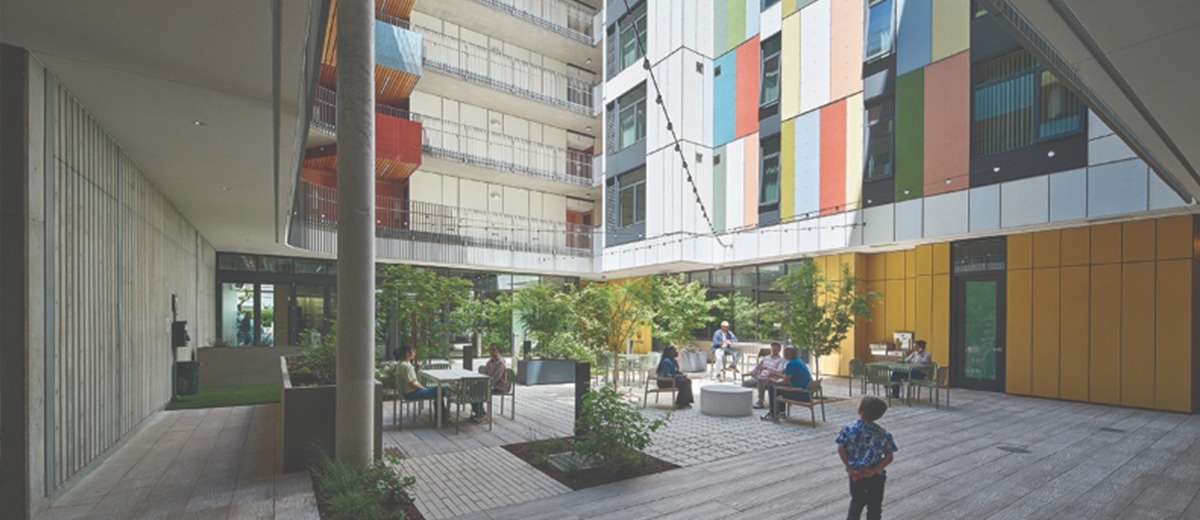
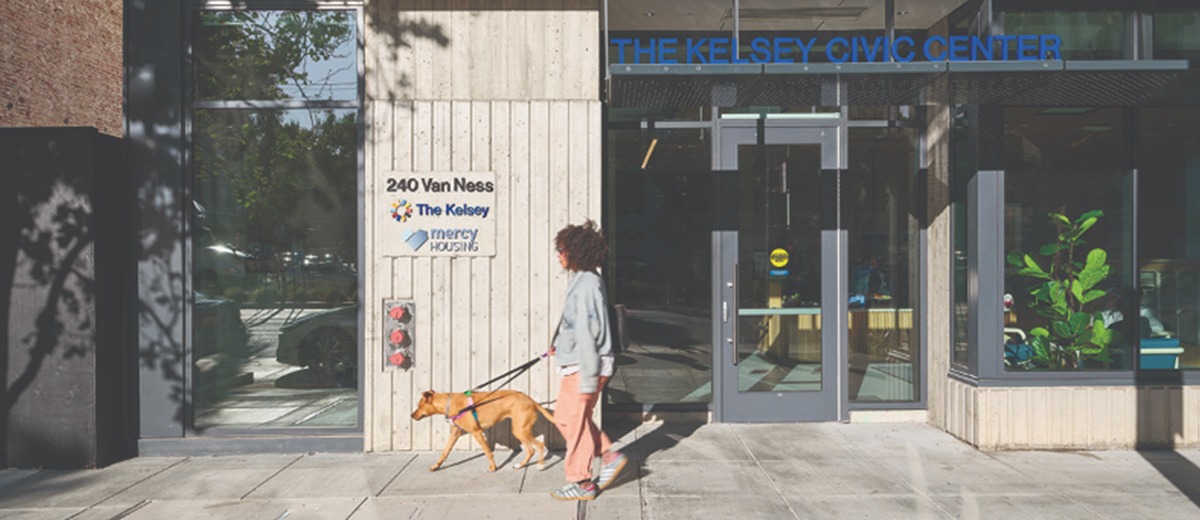
The aesthetic standard of The Kelsey’s developments is high.Photo by Bruce Damonte.Micaela with Kelsey.The Kelsey has two buildings in San Francisco, providing 227 homes. “There’s dignity in good design”.
It was then that Micaela decided that housing – such a fundamental part of life for every person – was the endeavour to which she would devote her energies. But she was focused on going to graduate school, and it was not part of her plan to start another organisation. She felt sure that there was a government agency or non-profit already in existence addressing the issue – she could go and work for that. But during her time at the John F. Kennedy School of Government at Harvard University, through carrying out research, case studies and site visits, she came to realise that nobody had either solved the problem or was making any big dent in it.
“That was what led me, with some pushing from my mentors, to start The Kelsey. I kept saying, ‘I don’t want to start another organisation – we have so many non-profits already.’ But what little stuff there was out there was not inclusive, not integrated, and not affordable. Hearing from different folks I respected in the housing and disability world who said, ‘Not only is this needed, but you should go do it,’ is what convinced me to pursue this path. I could see a gap, and an opportunity to build something new.”
In her last year at Harvard, Micaela developed the core idea of The Kelsey through Kennedy School’s Social Innovation and Change initiative. Her final project looked at the theory behind the entity she was formulating and how she would approach it. At Smurfit, she developed the operational side – how she would build the company, where it would be based, what its financing structure would be, what its first project might look like.
“Smurfit was where I put the business plan together,” says Micaela, “and once I graduated in 2017 I was ready to launch the business full time. Kelsey was my co-founder. We got our first round of funding in March 2018, the month she passed away.” Her time in Ireland was not all work, though, because while she was studying at Smurfit, Micaela met her future husband and fellow American, Zach. The couple now have a one-year-old son, Wicklow.
The Kelsey’s business approach is threefold: it creates its own homes, assists other projects and non-profits to develop homes through technical assistance, and enables cities and states to develop disability-forward housing through advocacy for policy change, advice on funding and direct project support. Its open-source resources, sharing development strategies, inclusive design standards and resident services models, have been utilised across the United States and further afield.
The Kelsey, San Francisco.
The Kelsey is funded through philanthropic donations and revenue earned from providing technical assistance alongside fees from developments. Each community is a separate entity, built with a mix of public and private finance, with operating expenses funded through rents. The Kelsey now has two buildings open and operating in the Bay Area of San Francisco, providing 227 homes between them. Another community is under development in Birmingham, Alabama; others are at the exploratory stage. Residents pay rent commensurate with their income, ranging from a few hundred dollars a month to a couple of thousand. Each building has an inclusion concierge to assist residents.
Notably, the aesthetic standard of The Kelsey’s developments is high. “There’s dignity in beauty and good design, and there’s also a value expression in that,” explains Micaela. “A disabled advocate who works for one of our funders says there’s a misconception that we can’t have nice things. I noticed when I toured different housing communities that the privately funded ones paid for by wealthy families were always very nice, but anything ‘affordable’ with government participation was missing the bells and whistles and the design standards were lower. Our projects are feasible, but very intentionally show that you can build beautiful, well-designed disability-forward housing that is accessible, that is affordable.
The ambition is to support 20,000 homes by 2030, touching communities across the US.
“After eight years, I think there’s now a broader acceptance of and buy-in to the concept of inclusive, affordable, and accessible housing. People know these things matter and they can happen. But I wouldn’t say the structural conditions have made it easier to create them. In the US, we are currently in a challenging policy environment. There have been some good things recently – such as the expansion of affordable housing tax credits – but set against that services for people with disabilities are more strapped and funding for public housing is more limited. Housing and construction costs are going up. So structurally on the development side things are more difficult, but systemically on the movement side, things are more opportunity-filled.”
As part of her final capstone project at Smurfit, Micaela met with some of the Irish organisations working on disability-forward housing and the affordable housing gap. She doesn’t rule out working on an integrated community housing project in Ireland in the future.
“It would be a dream to create a partnership to build something in Ireland,” she says, “I think Ireland is dealing with some of the similar questions that we have dealt with in the US around the outdated ‘care’ type of framework, building more facility-based options for adults with disabilities to solve and serve. We don’t want unintentionally to create new institutions. And there are similar dynamics in Dublin and San Francisco, given the huge growth of tech and the money that has brought to the city, but the housing crisis that followed in its wake.”
Eight years on from founding The Kelsey, Micaela says one of the aspects of the work she enjoys most is the relationship-building with partners, because it has become clear that this is the way to achieve scale. Fundraising is the most challenging, but she finds it “incredibly satisfying” when The Kelsey is successful in securing new partners who enable it to bring its work to new levels.
The ambition is to support 20,000 homes by 2030, touching communities across the US, whether that’s through homes that The Kelsey creates itself, or through providing technical assistance or support to achieve policy change, to others.
“Our hope is that in five years there is disability-forward, accessible, inclusive, affordable housing existing everywhere using The Kelsey’s approach. I hope I’m not still having to explain to people why people with disabilities should be in integrated communities with people without disabilities. We still have that discussion, and I find it exhausting and frustrating. So hopefully in five years, because of what we’ve made possible, there will be belief and understanding that people with the level of needs that Kelsey had, which were significant, can live – with supports – in community-based housing. And that’s true of people with any type of disability. My other hope is that in 2030, people just agree that affordable, accessible, and inclusive housing is the right kind of housing to build.”
From the tech in our phones to the treatment we receive in hospital, research conducted at universities makes our lives easier, healthier and safer. UCD alumni tell us, from their perspectives, how research drives innovation and policy-making
At University College Dublin, research is more than the pursuit of knowledge – it is a catalyst for real-world change that transcends disciplines and borders. Our alumni clearly demonstrate, in meaningful ways, why research matters. Through bold enquiry and collaborative endeavour, they highlight the lasting value of research and its capacity to shape a better future. Their perspectives are both inspirational and grounded, demonstrating how they are addressing society’s greatest challenges, driving economic growth, informing policy, improving health outcomes, and enriching cultural and community life. These contributions not only strengthen UCD’s reputation as a leading research-intensive university, they also deliver meaningful, measurable impact in Ireland and globally.
NAVIGATING THE LEGAL SYSTEM
Mark Garrett Director General / The Law Society of Ireland
We live in a time where uncertainty is certain, disruption constant, growth uneven. The need for an anchor – effective, trusted, legislative and regulatory change is vital for the public interest. And given current geopolitics, nothing can be taken for granted. At the Law Society, I’m clear that our research makes a positive contribution to national policy making and our working approach is twofold.
Firstly, we actively share the expertise and experience of solicitors as front-line advocates within the legal system. It helps to shape policy development at its earliest point so that complex legislation is informed and guided by practical experience and foresight. This data is collected through specialist legal committees, practitioner focus groups, case studies and direct insights. To the average observer, the Law Society contribution should be low key as it seeks only to support a workable and effective change to the legal system.
Secondly, the Law Society’s Centre for Justice and Law Reform is future-focused and is the first research centre of its kind in Ireland to conduct evidence-based research on law reform. The aim is to improve the public’s experience of the Irish justice system. The Centre considers best practice, new thinking, and stakeholder experience to ensure discourse and debate on matters facing the Irish public. Access to Justice, Economic, Social, and Cultural Rights and Evolving Legal Services are currently in focus. The most recent Summer School event brought together 200 policymakers to discuss and engage on the topic of Defending Democracy: Legal Responses to Emerging Threats.
At the Law Society, research makes a positive contribution to national policy making …
NEW FRONTIERS IN SUSTAINABLE NUTRITION
Marguerite Larkin Chief Financial Officer / Kerry Group
Research and innovation are critical drivers of future growth. Whether it be in digital technology, health sciences, or in the understanding of nutrition, new discoveries provide the impetus to our forward momentum, enabling us to live longer, healthier, and more prosperous lives.
At Kerry, we recognise and value this fundamentally important activity, and its role in advancing our purpose, to create a world of sustainable nutrition. The work undertaken by more than 1,200 Kerry scientists around the world provides the fuel for our future business growth, creating the food and beverage products of tomorrow.
Over the past ten years, Kerry has invested over €3 billion in science and technology capabilities, enabling research which has advanced our understanding in myriad ways; for example, by shedding light on how nutrition and the microbiome interact to influence cognition; how enzymes can be leveraged to lower exposures to potential dietary carcinogens; and how the power of biotechnology and precision fermentation can be harnessed to combat resource scarcity in key product categories, such as coffee and cocoa.
In order for research to thrive, it needs ultimately to be applied. Our Global Innovation Centre at Naas is home to Kerry’s global IP, and powers an international network of innovation centres to ensure that our research finds its commercial application all over the world, generating the returns needed to fund the next discoveries.
Lastly, we know too that research cannot happen without researchers – the skilled scientists and practitioners who can imagine, theorise, and demonstrate the substantive concepts that seed new science, and new possibilities. We appreciate the very important role that UCD and the third-level sector plays in creating the next generation of researchers, who will help drive us all forward.
PATIENT EXPERIENCE AND OUTCOME
Dr Cormac Farrelly / Chief Medical Officer, LaNua Medical, a NovaUCD spin-out, founded in 2024 with fellow alumni Dr Tom Fitzmaurice and Dr Eoin O’Cearbhaill, and Dr Sajjad Amiri
University research provides a critical and unique environment where multidisciplinary expertise – spanning engineering, medicine, materials science, and computer science – can converge to address complex healthcare challenges. This collaborative ecosystem actively supports academic and clinical cooperation and is therefore driven by real-world clinical challenges, ensuring that solutions are patient-centred and clinically applicable. It also fosters the discovery, development and refinement of technologies such as the innovative embolisation solutions we are working on at LaNua Medical.
Embolisation is a minimally invasive procedure that involves blocking blood vessels to treat conditions such as aneurysms, tumours, or internal bleeding. University-driven research into new embolic devices and techniques can improve patient outcomes by reducing the risk of complications, such as nontarget embolisation or post-procedure inflammation. These technical improvements can lead to clinical improvements such as shorter recovery times, lower complication rates, improved efficacy and reduced hospital stays, benefiting both patients and healthcare systems. They also open exciting possibilities for synergy with other treatments. Looking ahead, research into smart embolisation systems could further integrate embolisation with targeted cancer drug delivery, immunotherapy, gene therapy, or nanomedicine. New devices will play a key role in ensuring these advanced therapies remain localised, reducing toxicity and enhancing therapeutic impact.
Through programmes like the UCD MedTech Innovation Team and collaborations with Ireland’s national hospitals and research bodies, UCD aims to bridge the gap between laboratory research and clinical applications. The University also provides access to seed funding and enterprise initiatives through NovaUCD, encouraging commercialisation and start-up formation. These facilities and networks have inspired and supported the formation and spin-out of LaNua Medical. In short, university research is essential in driving forward safer, more effective, and less invasive medical technologies, improving patient outcomes and shaping the future of healthcare.
PREDICTING THE WEATHER
Eoin Moran / Director, Met Éireann
Ireland is increasingly experiencing more frequent and severe high-impact weather and climate events, presenting significant challenges to national resilience and wellbeing. In this context, Met Éireann’s world-class scientific expertise in meteorology and climatology stands as a vital national resource, dedicated to protecting lives and property while supporting societal wellbeing. This mission is underpinned by state-of-the-art science and technology, with Met Éireann driving progress in weather, flood, and climate prediction models, supercomputing, satellite and surface observations, and cutting-edge weather and climate research.
This work is carried out in close collaboration with leading European scientific institutions and research networks. Domestically, Met Éireann engages with Ireland’s research ecosystem primarily through its Weather and Climate Research Programme. A flagship initiative within this programme, TRANSLATE, equips Ireland for a changing climate by delivering accessible, actionable climate data to inform decision-making across sectors. This project is delivered in partnership with the Irish Centre for High-End Computing (ICHEC) and MaREI, the SFI Research Centre for Energy, Climate and Marine at University College Cork.
Met Éireann partnered with UCD in 2024 to establish a Professorship of Weather and Climate Research, with a dedicated research centre scheduled to open later this year. The launch of this pioneering role and facility seeks to integrate artificial intelligence and data science to enhance forecasting of extreme weather, flood risks, and long-term climate trends. As the challenges of a changing climate grow, Ireland’s investment in world-class weather research reflects a strong national commitment to safeguarding the future through knowledge, preparedness, and scientific excellence.
Met Éireann partnered with UCD in 2024 to establish a Professorship of Weather and Climate Research.”
A COMPLEMENTARY RELATIONSHIP
Jennifer Banim / Director General, Central Statistics Office (CSO)
The Central Statistics Office (CSO) and UCD share a complementary relationship rooted in a commitment to evidence-based research and excellence. Both institutions play key roles in advancing understanding of changes taking place in Ireland’s society and economy.
To advance this work, the CSO supports all universities with access to Research Microdata Files including, for example, UCD’s important research on Growing Up in Ireland (GUI), the National Longitudinal Study of Children. In addition, the Irish Social Science Data Archive (ISSDA), hosted at UCD, serves as a vital repository of CSO and academic data, facilitating widespread access for researchers.
UCD’s MA in Statistical Data Science is an EMOS (European Master in Official Statistics) programme and equips graduates with key skills and experiences that closely align with the needs of the CSO in its expanding role. This includes the CSO’s delivery of the National Data Infrastructure’s (NDI) standards, skills and services to utilise data as a national asset. We are proud of how our statistical outputs are used in UCD and other universities on a daily basis driving innovation, research and learning.
A HEALTHY EARLY LIFE
Dylan McMahon / Co-Founder and Co-President, with father Ross and brother Will McMahon, of Kendal Nutricare. All are UCD alumni
At Kendal Nutricare, research underpins every stage of our work, from formulation to factory floor. In early life nutrition, our Research & Development teams are constantly working to translate emerging science into meaningful innovation. Scientific evidence informs not only the nutritional profile of our products, but also the stringent quality and safety processes behind them.
We start with full-cream whole milk as our base, preserving milk fat globule membrane (MFGM) and phospholipids to better reflect the structure of breast milk and support cognitive and immune development. Our formulations include dual prebiotics (GOS and FOS) to nourish the gut microbiome, alpha-lactalbumin to optimise protein quality and digestibility, and essential fatty acids ARA and DHA to support brain and visual function. Beyond nutrition, research drives our operational standards – from microbiological safety protocols to the optimisation of spray drying for nutrient stability and manufacturing efficiency. Our facility operates with a pharmaceutical-grade mindset, where precision, hygiene and consistency are paramount.
This combination of scientific nutrition and operational excellence is central to our ability to innovate while earning the trust of healthcare professionals and parents alike.
INVESTING IN UNIVERSITIES: A BUSINESS IMPERATIVE
Anne O’Leary / Head of Meta Ireland and President, Ibec
Enterprises such as Meta, along with companies across Ibec’s membership, are experiencing an unprecedented pace of change in skill requirements. The availability of talent remains a top priority for Irish business. A high quality, engaging and dynamic education system plays a vital role in equipping society to meet the challenges of climate change, digitalisation and infrastructure development.
Universities such as UCD provide an excellent foundation. However, to ensure they remain globally competitive, it is important to address the longstanding underinvestment in the sector. Increased support will help close the gap with international peers, enhance our global reputation and strengthen our ability to attract world class research and business investment.
The recent OECD Review of Skills in Ireland highlights potential to improve workforce development and lifelong learning. By investing in people and skills, Ireland can navigate the digital and green transitions while enhancing innovation and leadership. Ibec welcomes the €4.5 billion investment in national research, including a successor to the Programme for Research in Third Level Institutions, which Ibec had long called for. This will modernise infrastructure and boost Ireland’s competitiveness in key sectors.
Don’t miss out on the personal and professional benefits available to you as a member of the UCD alumni community. Keep in touch with your Alumni team through LinkedIn, by phone or email, join us at overseas events, or drop in to our office on campus. Let’s stay connected!
As a UCD graduate, you’re part of a very dynamic and far-reaching global community that spans continents and careers. With alumni chapters active across Europe, North America, Asia – and more on the way – you’re never far from a vibrant network of fellow graduates who share your UCD connection.
Whether you’re settling into a new city, exploring career opportunities, or simply looking to connect, your UCD alumni chapter is here to support you. These communities host everything from casual meet-ups to career panels, mentoring, and networking events – making it easy to stay involved, wherever life takes you.
Each chapter also has its own LinkedIn group – an excellent way to stay informed, get involved, and expand your professional circle. And if you’re passionate about giving back, there are plenty of ways to contribute your time and experience while building meaningful connections.
GET INVOLVED AND STAY CONNECTED
By keeping your contact details up to date, you can make the most of many opportunities available to you as a UCD graduate, while staying in touch with us in the UCD Alumni office, with the University, and with each other. If you have changed your name, location, email address, phone number, or have moved jobs, please update your details.
Tá Scríbhneoir Cónaitheach UCD, an file Annemarie Ní Churreáin, tar éis go leor a dhéanamh: ceardlanna a chur ar fáil do mhic léinn, d'fhoireann agus d'alumni; í féin a thumadh i gCnuasach Bhéaloideas Éireann UCD; agus campas Belfield agus a nádúr a bhaineann leis a fheiceáil…
I grew up on Cnoc na Naomh surrounded by the northwest boglands of the Donegal Gaeltacht. It was a place that encouraged me to think imaginatively about history, roots and culture. My grandmother, Mary Thaidhg, who also lived on the hill, instilled in me a great belief in oral storytelling and folklore. She was full of piseoga, leigheasanna and tall tales about her years as a domestic servant in New York. Mary taught me that language is a portal and that Gaeilge, the tongue we spoke at home, offers a uniquely rich perspective on the world. Through Mary’s scéalaíocht I developed an ear for the musicality of words and a curiosity about how that songfulness might translate onto the page. Unsurprisingly, I went on to discover poetry and I fell in love with the work of the sage Biddy Jenkinson who writes that “the poet is by profession a troublemaker. She must be independent to the point of eccentricity and is often, though not necessarily, as curst as a crow-trodden hen and as odd as one of the triple-faced monsters with which the Celts depicted Ogma the omniscient, gazing in all directions at once.”
Photo by BARRY MCCALL
In my debut poetry collection, Bloodroot, (Doire Press, 2017), I first began to tinker with personal history by peeling back the layers on family ancestry. The title poem references the story of a family member who was sent to the Castlepollard Mother and Baby Home in the 1950s and who became parted from her firstborn child for almost forty years. In my follow-up collection, The Poison Glen, (The Gallery Press, 2021), I revisited the theme of family separation, this time with a lens on the ‘missing’ child and looking to the left behind sites of former church and state industrial or ‘reform’ schools and other ‘care’ institutions.
Some poems draw directly from my girlhood experience of being raised in a family that fostered children. Altramas (the Gaeilge word for fosterage) is a concept deeply embedded into ancient Irish culture but today the practice looks very different. One of my poems remembers the day a teenager came to the family home to say a last goodbye to the baby she was about to relinquish to adoption. The first mother; the ‘ghostgirl’. It was an encounter that shifted my whole understanding of what it means to come of age in a patriarchal society.
Poetry is discovery and poems revolve out of my subconscious the way dreams revolve, slowly and over time. In the same way that speaking a dream aloud seems to alter the dream, the act of writing is, by nature, transformative. In my role as UCD/Arts Council Writer in Residence 2025, I’ve had the gift of designated time to evolve a series of new projects and to consider certain relevant questions: Cad is brí le stair fholaithe nó doiléir a scríobh? Cad iad na dúshláin? Cad iad na freagrachtaí? What does it mean to write hidden or obscured histories? What are the challenges? What are the responsibilities? These questions have been greatly nourished by the time spent with university students, staff and alumni through a series of public workshops titled Poet as Troublemaker. Through these tailored poetry workshops I’ve encouraged participants to think of themselves as witness to family stories, social histories, and the living culture of folklore, magic and the Otherworld. Together we’ve opened up conversations about the place of witnessing in Irish literature, and looked at the history of the Irish filidh. We’ve untangled the difficulties of writing trauma, hurt and social injustice, and embraced the possibilities of working with native rituals and ceremonies passed to us ó ghlúin go glúin.
When I began my residency term in January, I was given a spacious writing desk and a large, clear window in the Newman Building that overlooks the leafy campus. Amazed I was to watch the trees come into full bloom. Still, I am often to be found in the dark corners of the UCD National Folklore Collection, buried in the treasure trove of their books, handwritten manuscripts, audio recordings, videos and photographs, drawings and paintings. The National Folklore Collection is one of the largest collections of folklore material in the world and the mere, papery smell of the rooms never fails to thrill me. Truly, I could not have dreamed of a better location to develop my latest poetry collection ‘A Hymn to All the Restless Girls’ (due in November 2025 with The Gallery Press). These poems celebrate the girl who appears to be an outsider – the rebel, the truth speaker and the one who is, often, necessarily a troublemaker. She is the kind of girl who is always questioning and searching. In some poems she takes the figure of Mary Thaidhg, in others she is recognisable as public figures from Irish history or mythology. The book’s title is inspired by A Restless Life, the autobiography of the late poet and novelist Leland Bardwell, and many of these poems in this third collection are carefully hand-stitched with folklore, Gaeilge words and the atmosphere of rural living. The book features a long poem titled ‘Raven lore for a Restless Girl‘, which weaves together elements of ‘fiachaireacht’ (the art of watching the ravens for omens) with snippets of material pulled from cabinets of the National Folklore Collection.
Like most poets, I am often working on several projects at once. In addition to the delivery of workshops, poetry readings and one-to-one mentoring, I am developing a new opera libretto titled The Curing Line for Straymaker, a new company led by Irish composer Michael Gallen. Tá an ceoldráma bunaithe ar ár dtaighde leanúnach ar thraidisiúin dhúchasacha na hÉireann maidir le “leigheasanna a dhéanamh”. Leanann sé téamaí an leighis, an bháis, agus an tobchliste comhshaoil, trí scéal a phléann, agus muid ag smaoineamh gur rudaí éagsúla iad beatha an duine agus an timpeallacht, go bhfuil ag teip ar an tsochaí a admháil go bhfuil bunchodanna dínn féin agus dár gcultúr ag dul in éag.
Mar chuid den obair seo, bhain mé taitneamh as daoine a chur faoi agallamh; daoine a bhfuil leigheasanna teaghlaigh faighte acu le haghaidh tinnis ar nós fuiliú, asma, faithní agus craosghalar srl. B’aistear thar a bheith suimiúil é agus tríd an tionscadal seo chuaigh mé i muinín mo chreideamh i dtraidisiún rúndiamhair agus muirneach. Arna choimisiúnú ag Centre Culturel Irlandais Paris, tá an ceoldráma léirithe ag Straymaker i gcomhar le Féile Ealaíon Chill Chainnigh, Miroirs Étendus, Once Off Productions agus Féile Ceoldrámaíochta Chóbanhávan. Tá Duais Fedora, an duais cheoldráma is mó ar domhan, buaite ag The Curing Line cheana féin, agus beidh sé ar stáitse den chéad uair ag Féile Ealaíne Chill Chainnigh i mí Lúnasa 2026 sula dtéann sé ar camchuairt in Éirinn agus go hidirnáisiúnta sa bhiaiste in 2026/27.
The UCD/Arts Council residency has offered me a year to ground my practice in what I love to do. Is aoibhinn liom ceardaíocht agus rúndiamhair na filíochta. Is breá liom an t-idirphlé a eascraíonn as comhoibriú cruthaitheach. Is breá liom an ‘immram’ nó an turas isteach go dtí an Saol Eile agus a bheith le filí atá ag teacht chun cinn ar an gcéad aistear i dtreo an leathanaigh. I have benefited hugely from the exposure at UCD to world-class scholarship, expertise and research. Last spring I was lucky enough to take several of the UCD Earth Institute campus walks where among other things I learned about ‘Hanami’, the Japanese traditional custom dedicated to admiring the blooms of cherry trees. What a gift it has been to write on a campus full of wildflowers and in the presence of lakes, ducks, swans; to be thinking and dreaming alongside a diverse community. As a child I watched my father cut turf and work on fishing trawlers as my mother’s knitting circle made Aran jumpers to order. Making was a way of being in relationship and, contrary to what many believe, even poetry does not get made in isolation. It has been extraordinarily energising to be here, in this environment, where making in collective spaces is embodied and valued. I love being here with the ordinary ritual of making a poem from scratch; of being with that lovely labour of wrestling with an image, a sentence, a word. Poetry is a way of sitting with uncertainty. Bíonn tú i gcónaí ag dul sa tseans. Caithfidh tú tosú sa dorchadas gan aon rud a bheith ar eolas agat agus ligean duit féin a bheith saor.
■ Annemarie Ní Churreáin is the UCD/Arts Council Writer in Residence. She is the current poetry editor at The Stinging Fly Magazine. Visit studiotwentyfive.com
A Hymn to All the Restless Girls
On this anniversary of The Irish State better instead to celebrate a restless girl. A restless girl speaks the language of a birch. A restless girl can besmirch a priest in a flash. A restless girl takes a splash of whiskey before noon. The skin of a restless girl smells of gunfire and wolves. Often a restless girl will ask if not now, when? Many restless girls fall asleep in the sun. One restless girl had to be pinned down by six men. Another restless girl tore up an image of the pope. A restless girl may disguise herself as a stone. Sometimes a pale horse will take a restless girl away in the night. The underslip of a restless girl should not be washed; it should be burned. When leaving a room first check the corpse of a restless girl has not sprung alive behind your back. Best always to bury a restless girl in the wettest, darkest earth. It has been said that a restless girl once returned to haunt an innocent man. A whole town can be fouled by one restless girl. But see how the restless girl shimmers in the razor-light of a Scots pine. See how she sweetens the air like hawthorn. The restless girl belongs to us as fox belongs to moon. The fact is the restless girl has been, for us, a constitution. On public occasions we wear a necklace from which the ornament of her cut tongue hangs. If the last restless girl ends up drowned, or turned to ash, or trapped inside a horse-haired wall, what then? What then?
UCD Alumni Awards 2025 celebrate excellence that resonates worldwide
This year marks the 12th anniversary of the UCD Alumni Awards – an annual celebration of the extraordinary accomplishments of our alumni community. Since their inception in 2014, the Awards have recognised individuals who exemplify excellence and embody the values of UCD through their work and contributions to society. Each year, these honours spotlight alumni who have made a significant impact across a wide range of fields – including business, industry, healthcare, science, culture, sport, and the arts. With a global alumni network of over 334,000 in 184 countries, awardees are selected from a highly competitive pool, chosen for their ambition, innovation, and global influence. The UCD Alumni Awards not only pay tribute to the achievements of our most distinguished graduates but also serve to inspire the next generation – highlighting the enduring legacy and global reach of the UCD community.
BUSINESS AWARD
AIMEE CONNOLLY / BComm International 2015
Aimee Connolly is one of Ireland’s most recognisable and loved beauty entrepreneurs. Before founding her award-winning beauty brand, Sculpted by Aimee, at the age of 23, she gained invaluable experience working in the beauty industry, crafting her trade whilst completing a first-class honours BComm International degree in UCD.
Sculpted by Aimee is now one of the fastest growing Irish beauty brands in the market. The business is rooted in great quality products that make make-up easy, and its community feel amazing. The company currently employs more than 100 people and is well on its way to becoming a globally recognised brand, with major expansions happening across the UK market at pace. Sculpted by Aimee now has stores in Dublin, Kildare, Belfast and London.
Aimee has won numerous awards, including IMAGE PwC Businesswoman of the Year 2025, a Business & Finance Elevation Award 2024, and an EY Entrepreneur of the Year Award 2021. She now sits on the EY Entrepreneur of the Year judging panel. Sculpted by Aimee was named as one of the BeautyMatter Future50 brands shaping the face of global beauty.
SOCIAL SCIENCES AWARD
PAUL O’BRIEN / BA Philosophy and Economics 1989
In April 2021 Paul O’Brien was appointed Executive Director of Amnesty International USA, a human rights organisation of 240,000 members and 125 staff. He had previously co-led Oxfam’s worldwide advocacy efforts during the Covid pandemic and led Oxfam America’s advocacy work with the US government and US corporations.
Over his career, Paul has worked on human rights research and advocacy in more than 50 countries, including most recently Mexico, Israel, Gaza and the West Bank. He lived in Africa for 10 years, working for local and international organisations, and spent five years in Afghanistan. He was previously an advisor to the President of Afghanistan, the Africa Policy Advisor for CARE, an organiser in Nairobi’s informal urban settlements, and President of Echoing Green, a global non-profit that uses venture philanthropy principles to support social entrepreneurs. Paul holds a Juris Doctor (JD) from Harvard Law School and previously worked as a litigator in New York for Cravath, Swaine & Moore LLP. His book, Power Switch: How We Can Reverse Extreme Inequality, was published in 2020.
HEALTH AND AGRICULTURAL SCIENCES AWARD
DR PETER J. TIMONEY / MVB 1964
Through his visionary leadership and pioneering research, Dr Peter J. Timoney has had a profound global impact on equine veterinary science. He is an internationally acclaimed expert in equine infectious diseases and has made significant contributions to improving global practices in equine health and disease management. He has published extensively in the field, including on equine viral arteritis, contagious equine metritis, equine herpesviruses and equine encephalomyelitis. He is past president of the World Equine Veterinary Association, currently serves on the World Organisation for Animal Health International Horse Sports Confederation Technical Committee, and held research and academic appointments at the Irish Department of Agriculture Veterinary Research Laboratory, the Irish Equine Centre, and Cornell University, before joining the faculty in the Department of Veterinary Science at the University of Kentucky in 1983. He was appointed Director of the Maxwell H. Gluck Equine Research Centre in 1989 and held the Frederick Van Lennep Endowed Chair in Equine Veterinary Science from 1988 until his retirement in 2022.
Peter was inducted into the University of Kentucky Gluck Equine Research Hall of Fame in 2009, and in 2022 he was awarded the Kentucky Thoroughbred Association’s Lifetime Achievement Award in recognition of his service and steadfast commitment to equine health.
LAW AWARD
SARAH KEANE / BCL 1995, LLM 1996
As the first Chief Executive Officer of Swim Ireland, a position she has held since 2004, Sarah Keane has played a pivotal role in the modernisation of the organisation and the development of swimming, water polo, diving and other aquatic disciplines in Ireland. In 2017 she became the first female President of the Olympic Federation of Ireland (OFI), and was reappointed in 2020. She stepped down from the role in December 2024 after leading the OFI to Ireland’s most successful Olympic Games ever in Paris 2024.
Sarah is actively involved in global and national sports governance and sits on the government-appointed Leadership Group for the implementation of the National Sports Policy. She is a committed advocate for Gender Equality, Diversity and Inclusion and is currently Chair of the first European Aquatics DEI Committee.
A qualified solicitor with a degree in law, a masters in commercial law and diplomas in corporate and financial management, Sarah was an Associate Partner in Matheson law firm. She was appointed to the Central Bank of Ireland Commission in 2020 and continues in that role today.
ARTS AND HUMANITIES AWARD
DR EMILY O’REILLY / BA 1979, Honorary Doctorate of Laws 2014
Dr Emily O’Reilly was the Ombudsman and Information Commissioner for Ireland from 2003 to 2013. Her outstanding success in this role was reflected in her election to the post of European Ombudsman by the European Parliament in 2013, and she completed her third and final term in office in early 2025. She has made an extraordinary impact as a defender of human rights and a fearless advocate for transparency and accountability in public bodies and government agencies. She has demonstrated an unwavering commitment to protecting the rights of individuals, increasing public access to information, and upholding the values of the EU.
Emily began her career as a political journalist and has won multiple awards for both her journalism and advocacy work. She has held senior positions with The Irish Press and The Sunday Tribune as well as serving as a political columnist at The Sunday Times and as the Political Editor of the Sunday Business Post. She was awarded a prestigious Nieman Fellowship in Journalism from Harvard University in 1987. She is the author of three books: Candidate: The Truth Behind the Presidential Campaign (1991), Masterminds of the Right (1992), and Veronica Guerin (1998).
ENGINEERING AND ARCHITECTURE AWARD
NIALL MC LAUGHLIN / BArch 1984
Award-winning architect Niall McLaughlin is Professor of Architectural Practice at the Bartlett School of Architecture, University College London. After graduating from UCD he worked with Scott Tallon Walker, before establishing his own practice in London in 1990. He designs buildings for education, culture, health, religious worship and housing.
Niall won Young British Architect of the Year in 1998 and received the RIBA Charles Jencks Award for Simultaneous Contribution to Theory and Practice in 2016. He exhibited in the Venice Biennale in 2016 and 2018 and won the RIBA Stirling Prize in 2022 for The New Library, Magdalene College, having previously been shortlisted for the prize in 2013, 2015 and 2018. Other significant projects include West Court Jesus College (Cambridge 2017), Auckland Tower & Faith Museum (Bishop Auckland 2020) and the International Rugby Experience (Limerick 2022). Niall was elected an Aosdána Member for Outstanding Contribution to the Arts in Ireland and as a Royal Academician in the Category of Architecture in 2019. In 2020 he was awarded an Honorary MBE for Services to Architecture. Niall was a visiting professor at the University of California Los Angeles in 2012-2013 and was appointed Lord Norman Foster Visiting Professor of Architecture at Yale for 2014-2015.
SPORTS AWARD
LOUISE QUINN / BSc 2011
Louise Quinn is the former vice-captain of the Republic of Ireland women’s national football team. In her 17-year career playing at international level, she earned 121 caps playing for Ireland and gained a reputation as a brilliant defender, an outstanding leader and an excellent ambassador for women’s football. She joined the Dublin club Peamount United in 2004 and became the club captain at 16 years old. The club won the FAI Women’s Cup final in 2010 and the 2011-2012 Women’s National League under her captaincy. Louise is one of four players to score a European hat-trick in the UEFA Women’s Champions League. She moved to Swedish club Eskilstuna in 2013 and later played for Notts County, Arsenal, ACF Fiorentina and Birmingham City. Louise was awarded a Football Association of Ireland scholarship to UCD and graduated in 2011 with a degree in Sports and Exercise Management. She was named the FAI Senior Women’s International Player of the Year in 2013 and again in 2019. She played the full 90 minutes in all three games at the 2023 FIFA Women’s World Cup and is currently fourth on the WNT All-Time Top Scorer List with 16 goals, 15 of which were headers. Louise announced her retirement from professional football in April 2025.
RESEARCH, INNOVATION AND IMPACT AWARD
DR SHOURJYA SANYAL / GradCert Innovation, Entrepreneurship and Enterprise 2013, PhD 2017
A physicist turned innovation strategist, Dr Shourjya Sanyal is at the forefront of AI-driven transformation for the benefit of business and society. He has spent over 15 years bridging deep tech, healthcare innovation, and enterprise AI across the US and Europe, earning a string of awards, including the European C-Voucher for Circular Economy and the Luminate Award in New York.
Shourjya is the founder of Think Biosolution, a Dublin-based digital health company, and Voice Health, an AI-powered virtual medical receptionist platform, now serving clinics across the US. He is currently Head of Artificial Intelligence/Machine Learning at UNUM Ireland, a Fortune 250 insurance provider, where he drives strategic AI initiatives delivering over $100 million in enterprise value.
Shourjya has served as an advisor to the World Health Organization’s Digital Health Board and is a member of the Harvard Business Review Advisory Council. A committed voice for responsible AI and innovation equity, he believes that the true challenge lies not just in deploying intelligent systems, but in aligning them with regulatory, ethical and human values. His work continues to shape how businesses leverage AI to improve access, accuracy and agility across sectors like healthcare, insurance and education.
SCIENCE AWARD
DR ÚNA MCCARTHY-FAKHRY / BSc 1998
Dr Úna McCarthy-Fakhry is an international STEM education specialist and a passionate advocate for women and girls in STEM. She has worked in diverse roles in research, public administration, and international development. Currently based at UNESCO in Paris, Úna leads global efforts to strengthen girls’ participation, learning, and retention in STEM.
Her work spans Africa, Asia, and Latin America, and centres on ensuring all learners, regardless of gender or background, can build STEM literacy and thrive in an increasingly digital world.
A core principle of Úna’s work is her human-centred approach, reflected in national and regional initiatives that advance equity and inclusion. In Cambodia, she led the Annual Cambodia STEM Festival, founded STEM Sisters Cambodia, and supported the Cambodian government in developing a national STEM education strategy through her work with the Asian Development Bank. In Africa, she contributed to World Bank research, evaluated gender-responsive teacher training programmes, and is currently supporting a project focused on closing the digital divide through inclusive digital education. Úna received the Girls in STEM Award 2020 from Juniper Networks and was named in the 2021 Leading Lights Asia Pacific Kindness and Leadership Awards.
General Data Protection
We use cookies on our website to give you the most relevant experience by remembering your preferences and repeat visits. By clicking “Accept”, you consent to the use of ALL the cookies. However you may visit Cookie Settings to provide a controlled consent.
This website uses cookies to improve your experience while you navigate through the website. Out of these cookies, the cookies that are categorized as necessary are stored on your browser as they are essential for the working of basic functionalities of the website. We also use third-party cookies that help us analyze and understand how you use this website. These cookies will be stored in your browser only with your consent. You also have the option to opt-out of these cookies. But opting out of some of these cookies may have an effect on your browsing experience.
Necessary cookies are absolutely essential for the website to function properly. This category only includes cookies that ensures basic functionalities and security features of the website. These cookies do not store any personal information.
Advertisement cookies are used to provide visitors with relevant ads and marketing campaigns. These cookies track visitors across websites and collect information to provide customized ads.
Performance cookies are used to understand and analyze the key performance indexes of the website which helps in delivering a better user experience for the visitors.
Analytical cookies are used to understand how visitors interact with the website. These cookies help provide information on metrics the number of visitors, bounce rate, traffic source, etc.