
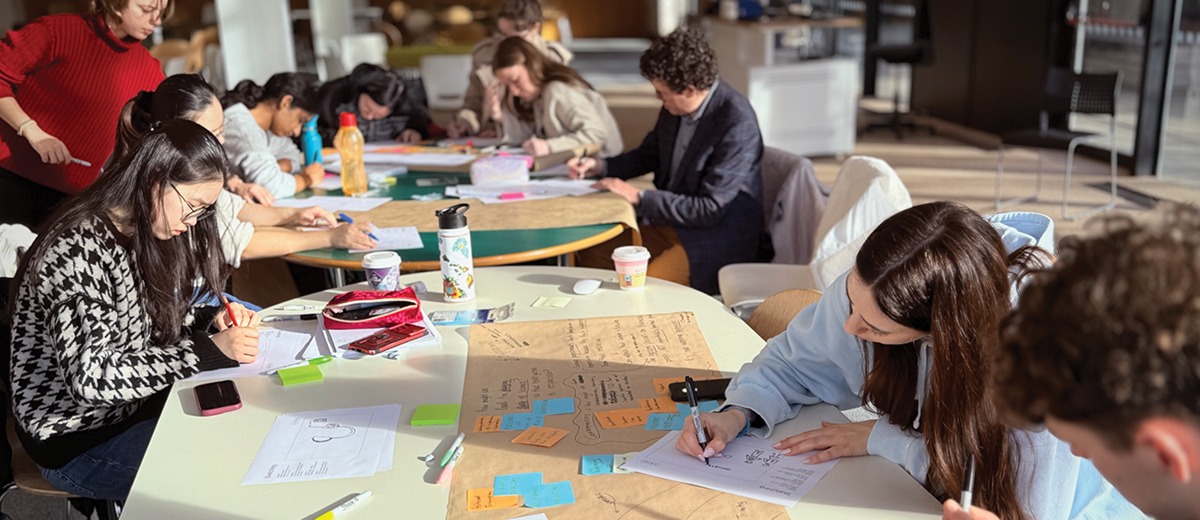
In its strategy to 2030, ‘Breaking Boundaries,’ UCD set a course to enable a more effective exchange of people and ideas. It aims to achieve this through ethical partnerships with research institutions, industries, third-sector organisations and policymakers. By being bold and far-reaching in how we engage, we can make a genuine, positive difference in people’s lives.
Driven by this goal, and in recognition of the increased focus on aligning strategic research with societal needs, expectations and values, UCD now actively supports ‘Engaged Research’ through a dedicated development platform to enable and embed best practice. An approach to academic research that involves active collaboration and partnership between researchers and the communities they study or serve, Engaged Research aims to address real-world problems and generate knowledge that is relevant, useful, and meaningful to the communities involved.
Similarly, the need for evidence-informed policymaking has never been more striking. Society faces a host of complex global challenges, including climate breakdown, pandemics, cost of living crises, energy poverty, ageing populations, and food security, none of which can be meaningfully addressed without insights from academic research.
The UCD Policy Interface works to develop and strengthen links between researchers and policy professionals, so that high-quality evidence can more readily inform public policy. It complements the extensive engagement already underway across UCD’s schools, colleges, institutes, and centres, most especially UCD Geary Institute for Public Policy, helping researchers drive real impact on policy and wider society.
In addition, UCD has forged deep, long-term alliances with leading universities and research organisations across the world, including CERN, the European Space Agency, the World Health Organisation, and the UN. This is driving research and innovation in key areas such as health, life sciences and sustainability, fostering collaboration with industry, NGOs and communities, and developing the global talent pipeline through exchange and fellowships.
Through centralised and local initiatives across the University, engagement and collaboration are at the heart of our research mission, across disciplines, borders and sectors, to generate real-world impact where it matters most.
CITIZEN COLLABORATION IN URBAN DESIGN
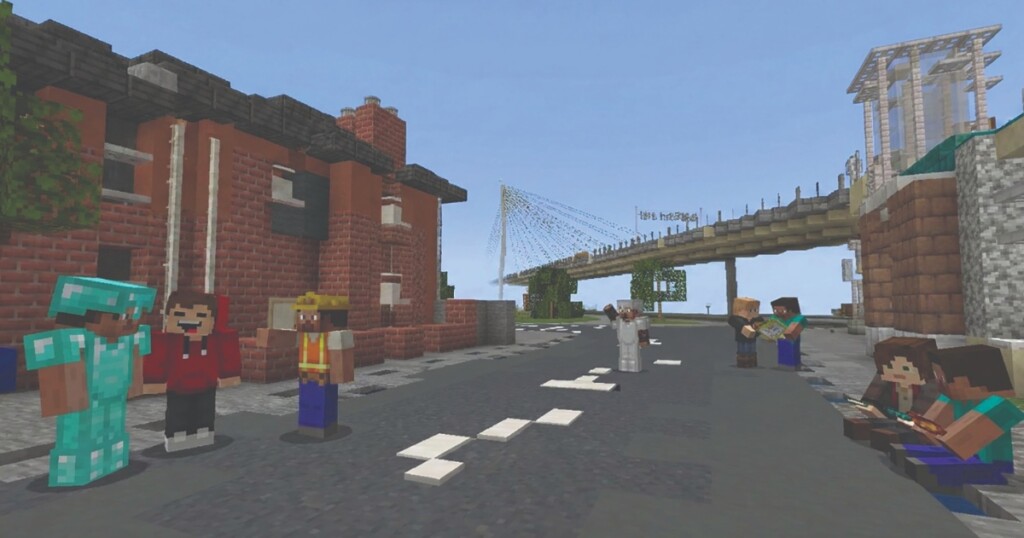
A UCD-led initiative, ‘Dundrum by Design’ collaborated with the Dundrum community in Dublin to redefine citizen participation and engagement in urban planning processes. A tripartite partnership between UCD School of Architecture, Planning and Environmental Policy, Dún Laoghaire-Rathdown County Council and the Dundrum community, the project adopted flexible, systems-thinking approaches and state-of-the-art technical and social innovations for climate transition.
The project’s ‘Living Streets’ scheme enabled local residents to vote on sustainable mobility interventions to make streets greener and connect communities. In addition, Assistant Professor in Digital Landscape Design, Ítalo Sousa de Sena developed a community ‘Minecraft’ (computer game) containing a replica of Dundrum. Aimed at citizens between eight and 18 years old, the gamified approach targeted marginalised voices that are often excluded from urban design processes, allowing them to engage with the project and share their desires.
Initiatives like Dundrum by Design are helping to shift urban planning and design towards more community inclusion and engagement, which is essential in climate transition.

PUBLIC LIBRARY RESISTANCE AGAINST FAR-RIGHT AGITATION
Researchers at UCD School of Information and Communication Studies worked to improve the experience of public library staff across Ireland by documenting and addressing harassment from far-right agitators, particularly targeting LGBTQ+ services. Engaging with library staff nationwide, the research revealed how online and in-person intimidation affects mental health, physical safety and workplace security.
Collaborating with librarians, trade unions, and sector stakeholders, the research played an important role in the co-development of practical strategies to strengthen library resilience, including enhanced safety plans, staff training, role clarification and liaison with local Gardaí. The research has empowered public libraries to respond confidently to intimidation, ensuring inclusive services for all communities. It has also influenced policy and public understanding of threats to Irish libraries, amplifying the voices of staff and users alike.
The team shared findings at a European Commission stakeholder meeting on disinformation, engaging Irish NGOs, government agencies and media representatives. This extended the project’s reach internationally and provided a model for libraries in other countries facing similar threats.
SOCIAL RESEARCH MODELS FOR INCLUSIVE DESIGN
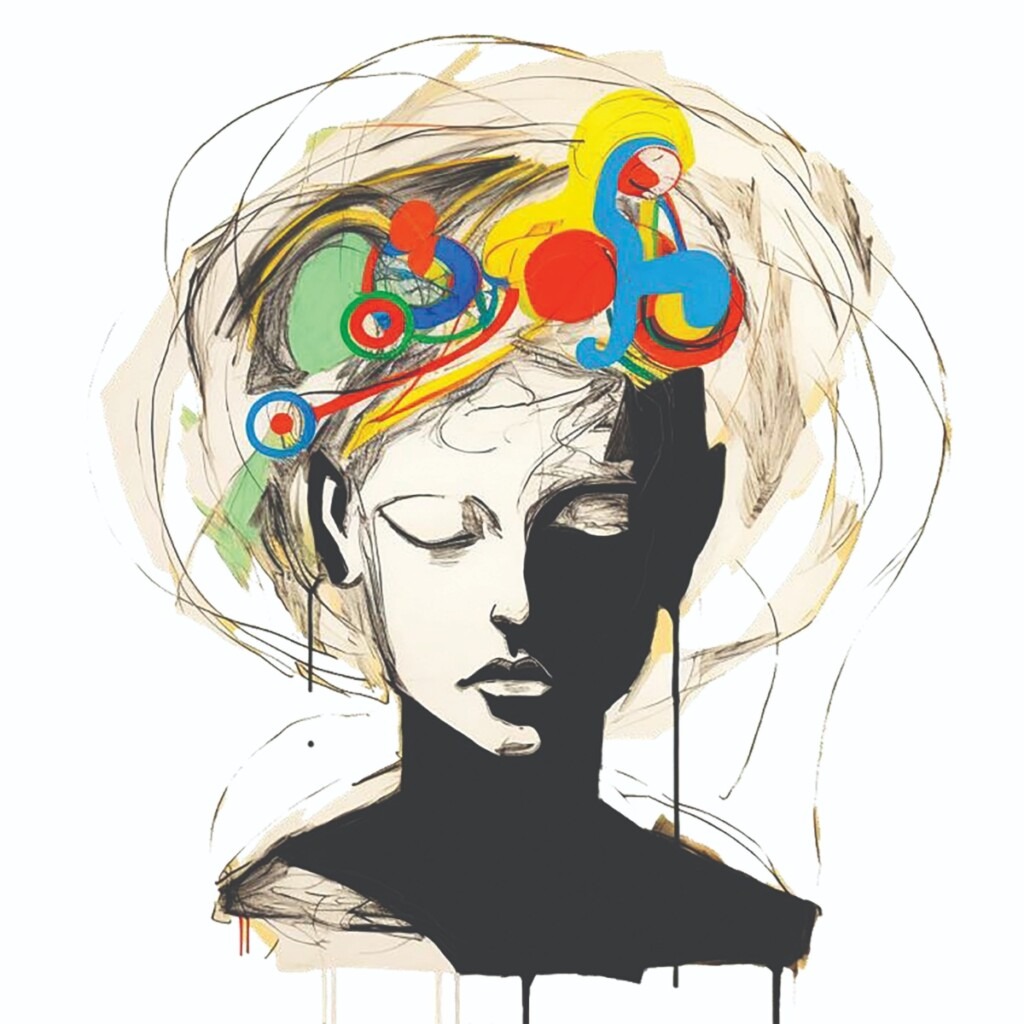
SMARTlab UCD is a global research hub supporting Creative Technology Innovation (CTI) for real social change, working in partnership with SMARTlab clg, the Inclusive Design Research Centre of Ireland (IDRC), and international funders. Led at UCD by Professor Lizbeth Goodman, the centre focuses on the co-design of bespoke tools and their validation through novel, socially-based research methods.
SMARTlab at UCD has partnered with the Anne Sullivan Foundation (ASF) for people who are deafblind and living with dual sensory loss, on a joint project called ‘INCLUDE deafblind.’ The project aims to improve lives by co-designing policy and awareness-raising campaigns as well as custom inclusive assistive technologies through a co-creation process. The project brings together people who are deafblind, researchers and designers from SMARTlab, IDRC, ASF and Usher Syndrome Ireland, to co-create and test new innovative solutions. This hands-on method ensures the technology fits real everyday needs.
In addition, the project leaders campaigned for deafblindness to be officially recognised as a unique disability under Irish law, and for people with deafblindness to be included in health and education planning through accessible consultation and lived experience representation.
‘DESIGN THINKING’ FOR PUBLIC ENGAGEMENT TO TACKLE DISINFORMATION
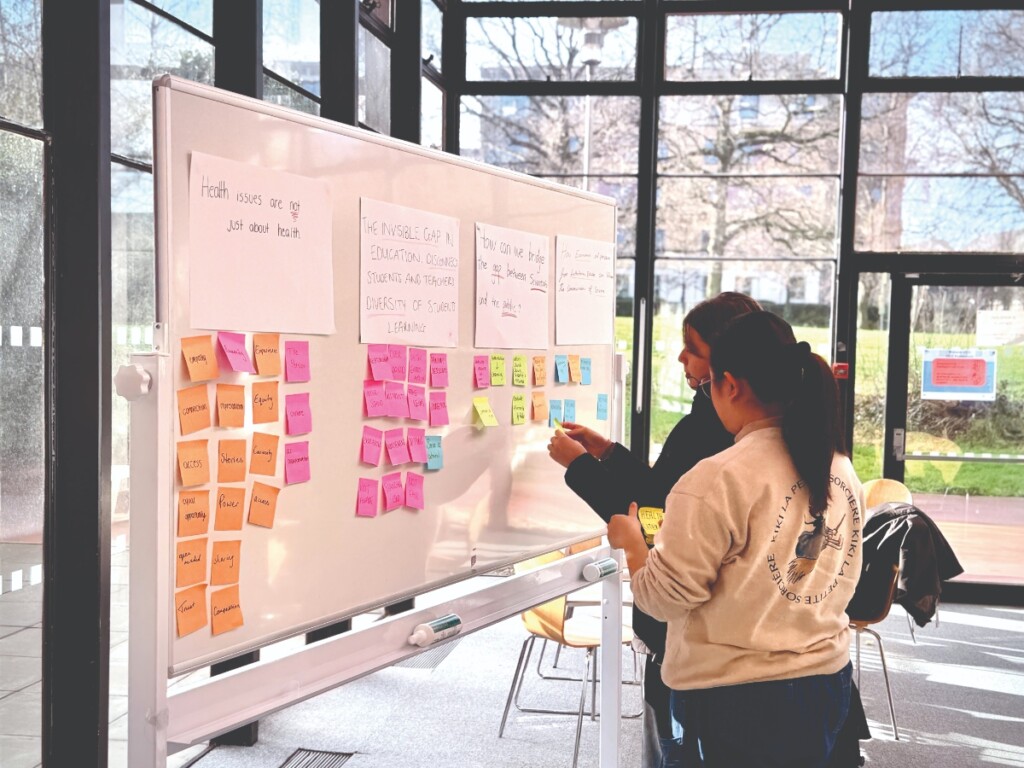
At UCD School of Education, Professor Shane Bergin co-developed a pilot public engagement training programme for students, which trialled a ‘design thinking’ process, in collaboration with the Department of Public Expenditure, Infrastructure, Public Service Reform and Digitalisation. The programme saw students working to develop public engagement responses to complex problems such as trust in science, meaningful science education, patient-doctor interactions, and how geopolitics is weaponising science.
Students experimented with design-based approaches in a research-led space to explore complex issues and effective interventions, informed by Professor Bergin’s extensive European research on how the public engages with science, and assisted by facilitators from the Department.
Best practice developed through the partnership was reflected in ‘Design for Public Value: Guidelines for Designing Better Public Services through Policy, Delivery and Digital Transformation,’ which was launched by Minister Jack Chambers at the Better By Design conference on 18 June 2026.
SUPPORTING CANCER PATIENTS TO QUIT SMOKING POST DIAGNOSIS
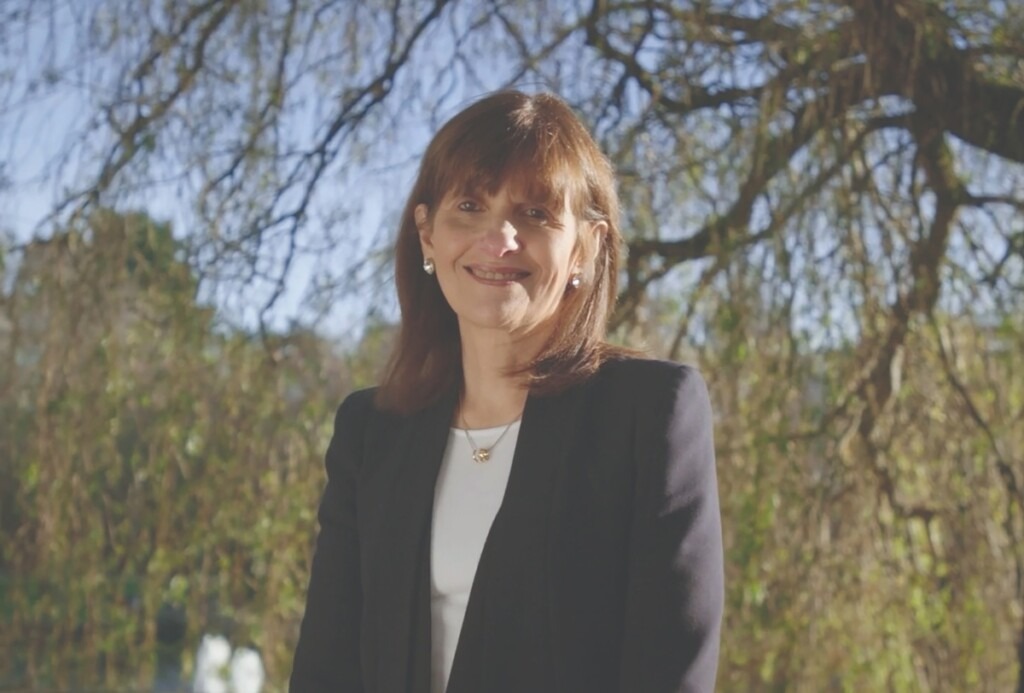
Up to 20% of all people diagnosed with cancer are smokers, and Professor Patricia Fitzpatrick at UCD School of Public Health, Physiotherapy and Sports Science has been on a mission to help them. Patients with cancer who smoke had not been offered sufficient support to quit by the health service, despite evidence of the benefits of quitting after a cancer diagnosis. Benefits include improved treatment outcomes, fewer treatment complications, improved survival rates and positive effects on health.
Professor Fitzpatrick’s project, funded by the Irish Cancer Society, was co-developed with cancer patients who smoke. Her research, which included an audit of all eight adult specialist cancer hospitals and the national centre for radiotherapy, found that sustained, non-judgemental support across hospital and community settings, involving healthcare practitioners and family, could help cancer patients quit.
The impacts of the research have been profound. The findings were adopted in full by the HSE National Cancer Control Programme and set as a priority for 2024, to the benefit of an estimated 3,744 to 4,959 patients with cancer, and their families, each year thereafter.
DEMOCRATISING DISCOVERY: OPEN IMAGING AND MICROSCOPY TOOLS FOR ALL
Microscopy underpins much of modern science, yet globally, access to advanced imaging remains highly unequal. Commercial microscopes are often prohibitively expensive and technically complex, excluding schools, community groups and researchers in resource-limited settings, particularly in low- and middle-income countries.
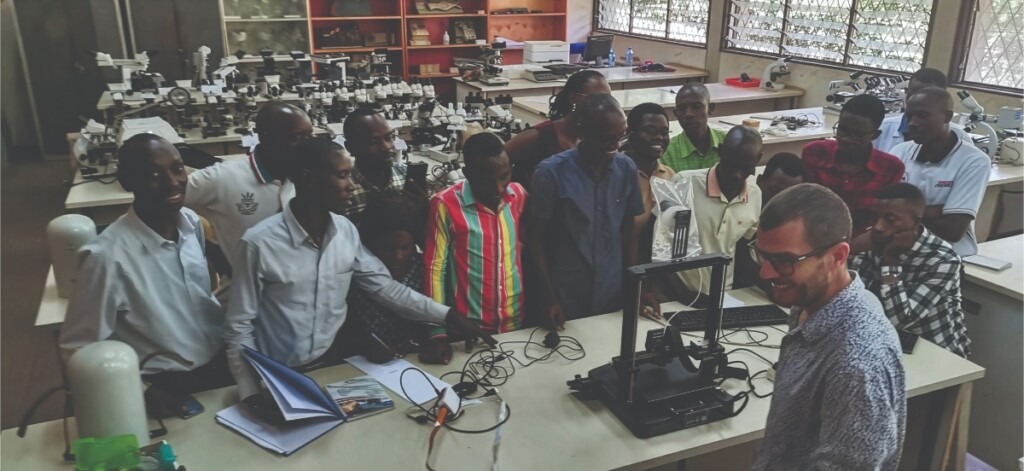
Dr Mark Pickering from UCD School of Medicine addressed this global challenge by reimagining how scientific tools are designed, built and shared. By repurposing widely available consumer technologies such as 3D printers and combining them with open-hardware principles, his research enables scientific discovery in contexts where traditional infrastructure is unavailable.
Dr Pickering’s efforts have expanded access to advanced imaging across Europe, Africa and the Americas through the development of low-cost, open-source microscopes, including the FlexiScope, Incubot and EnderScope. The use of open designs, freely available build guides and community-led training allows tools to be adapted to local needs and resources. This work is not only a technical innovation but also a transferable framework for inclusive, global scientific participation.