
I studied for a BA (Hons) in Fine Art at Middlesex University before an MA in Art and Science at Central Saint Martins. After graduating, I co-directed several collectives and an art gallery, developing residencies in the UK and Europe, and over 200 exhibitions and events exploring Earth and space.
I have been artist in residence in different places in the UK, Europe and Australasia, and have been commissioned to create work for cathedrals, churches, institutions, galleries and schools. Now, as well as my residency at UCD, I am also Artist in Residence at the Institute of Astronomy, University of Cambridge and I am Art Gene’s 25 x 25 Environmental Artist in Residence.
I see my art and curatorial practice as a way to explore and reflect on scientific knowledge and discovery. My practice explores our relationship to Earth’s environments, to deep time, and to the cosmos through engaging with scientists and communities. I am interested in how light pollution acts as a visual disconnection to the universe and how this may be shaping how we perceive the significance of the climate crisis.
I hope to help audiences reconnect with the night sky and to be able to place their own existence, and the lives of other species, within the deep time continuum, through installation, moving image, photography, writing, participatory works and sound.
The open call for the Mayo Dark Sky Park Satellite Residency had similarities to what I was already pursuing in my practice: bringing together Earth and space scientists, and dark skies. I applied with my project, ‘Earth, a Cosmic Spectacle’.
This is a multi-chapter project where scientific perspectives, community reflections and photographic, installation and sound works coalesce around questions of climate, deep time and our place within the cosmos.
I developed my interest in the night sky through my father. He had photographs of deep space and diagrams of our place in the Milky Way in his home. These, coupled with a vibrant and endless cosmos above at night in Aotearoa New Zealand, made it feel wonderfully inescapable.
I moved to cities in England as a teenager, and realised that not every person shared this same opportunity of experiencing the visual cosmos due to different levels of light pollution. Since then, I have been thinking about how that might affect us philosophically.
My practice has explored the importance of natural darkness for flora and fauna, and how artificial light at night can disturb natural rhythms that evolved over millions of years in response to Earth’s cycles of light and darkness. My work has moved from looking into the magnificence of the cosmos, to seeing Earth in my view of space.
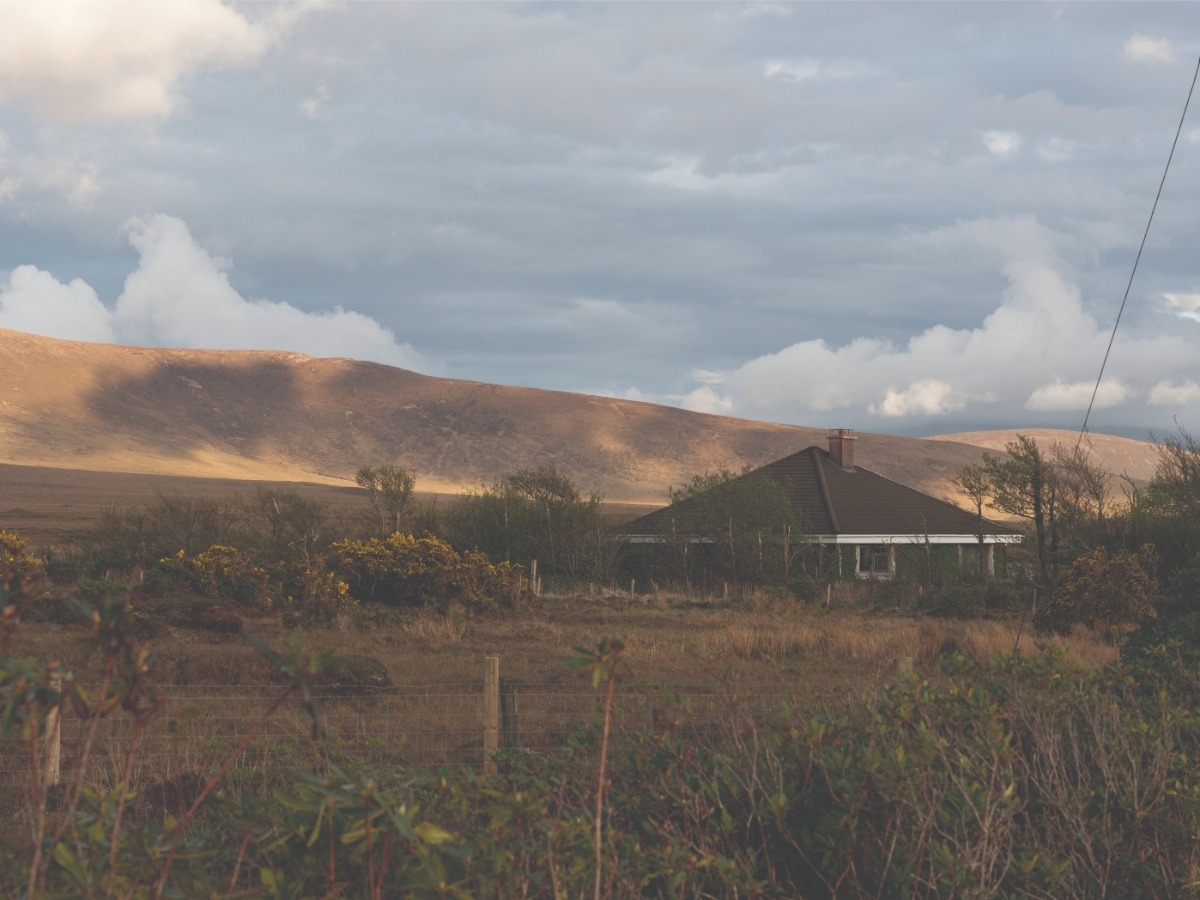
My residency began at Mayo Dark Sky Festival 2025, which brought together astronomy, biodiversity and cultural talks and events to highlight the importance of dark skies. I have spent time in the Wild Nephin National Park cottage near Ballycroy, in winter and in spring. I have explored different parts of the landscape, taking in the scale, observing the biodiversity and the ever-present weather in the daytime and at night time. Travelling into the park with conservation and dark sky rangers gave me a deeper understanding of the complexity of their work, from protecting biodiversity to considering the cultural significance of the landscape.
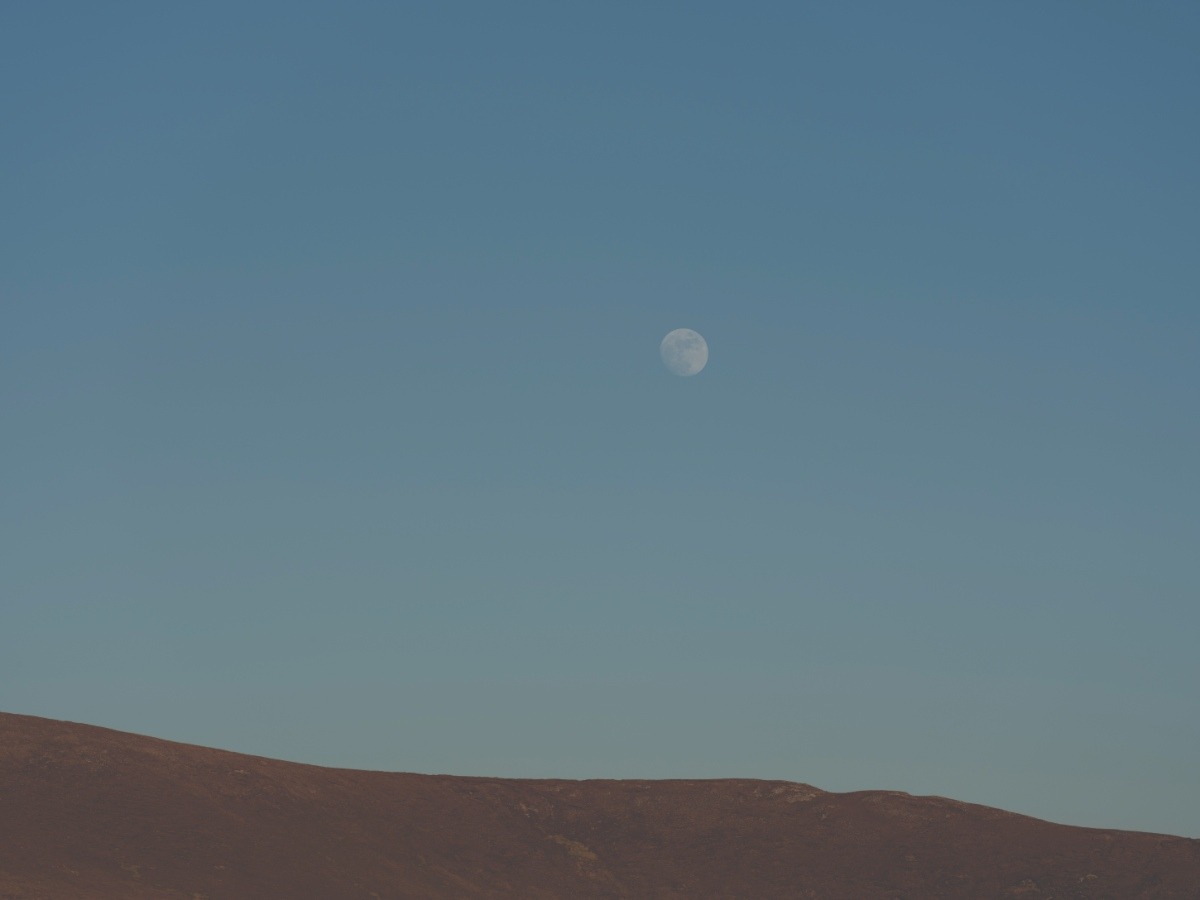
During clear weather, the night skies in Mayo were some of the darkest I have seen in Europe. My initial reaction was a feeling of deep sadness, that this sky exists behind the cloud of light pollution for all life in the UK and Ireland, whether a plant, an insect or a human being. Under these dark skies I also saw the greatest number of satellites I have encountered. Beneath this view of the Milky Way, it felt dystopian, a future possibility I had been imagining for years was now visible from this remote cottage. It has revealed a new layer of urgency for protecting the night sky, not only because of its importance for biodiversity, but also because it invites us to revere each layer of life on this planet within its cosmic context.
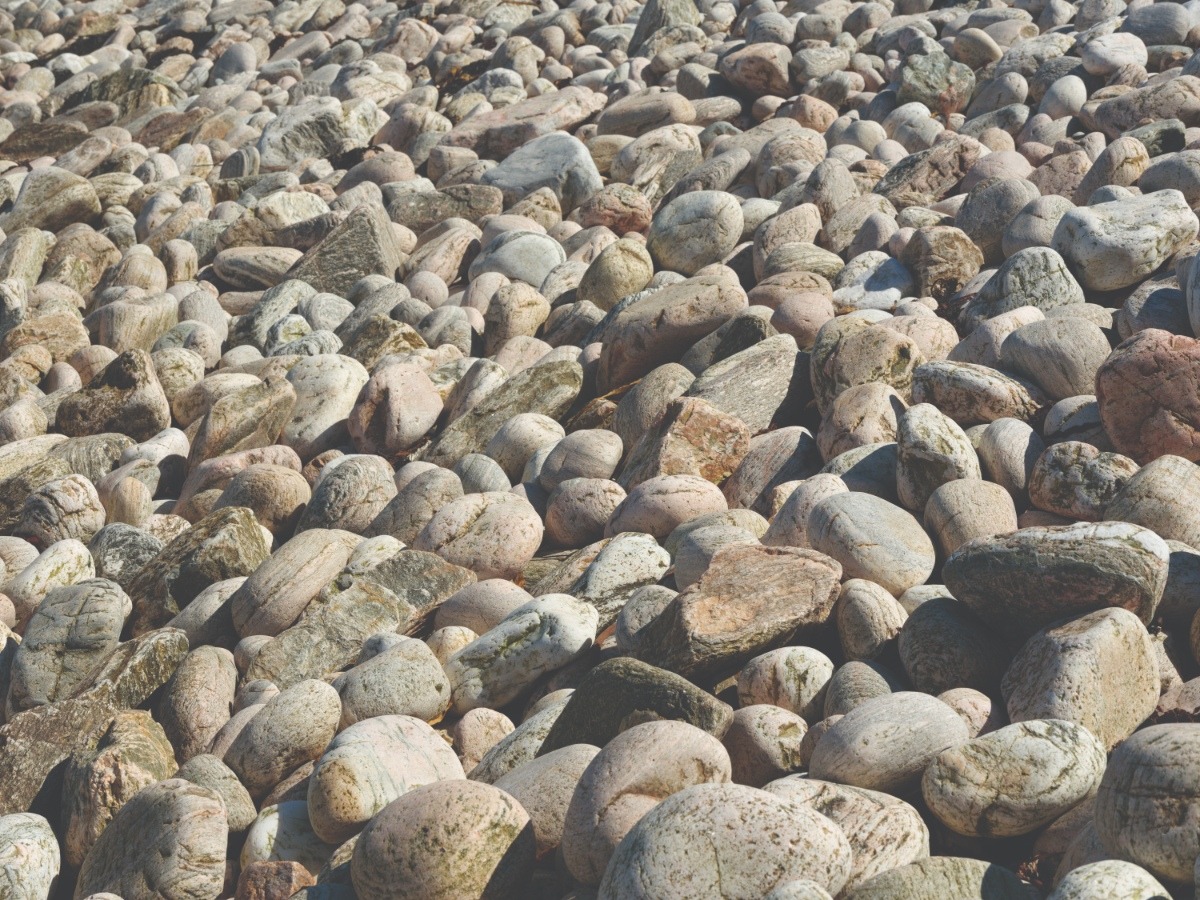
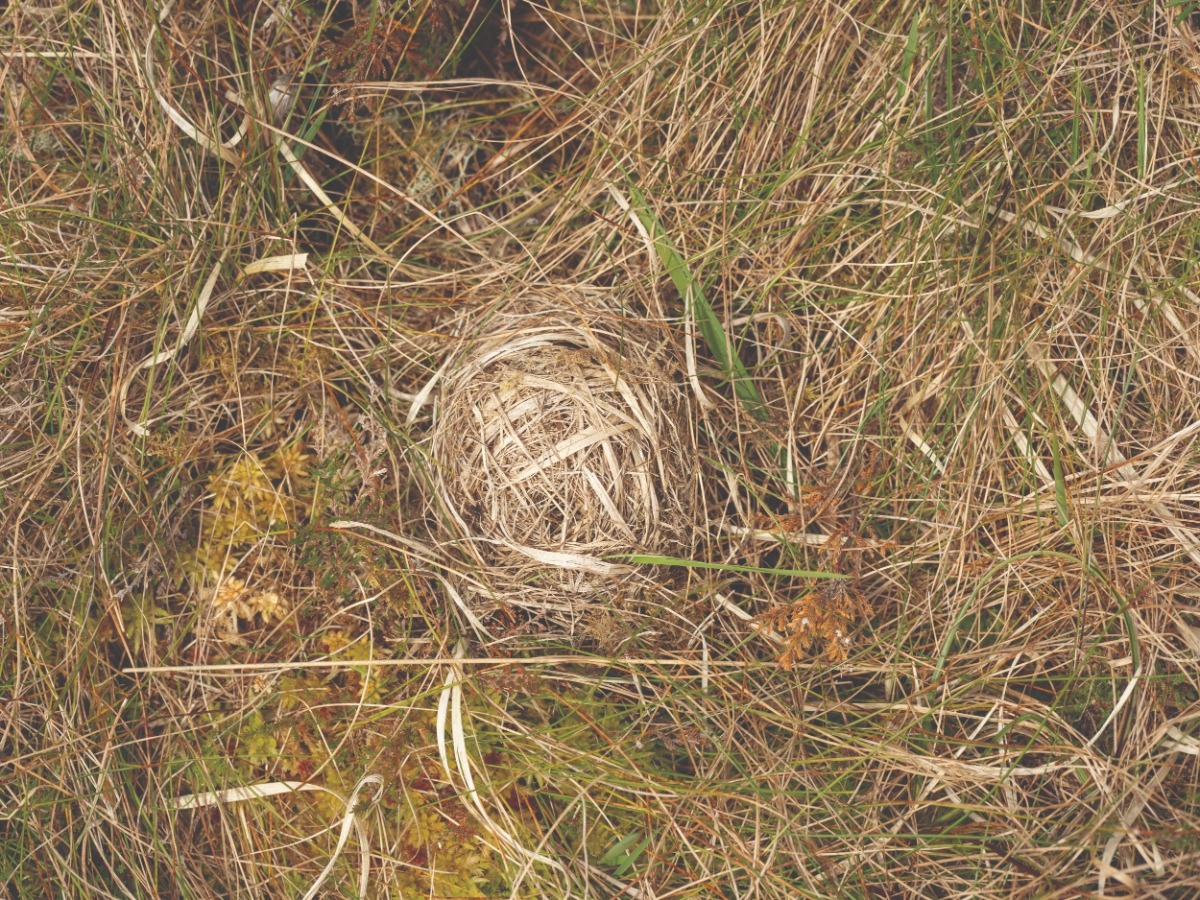
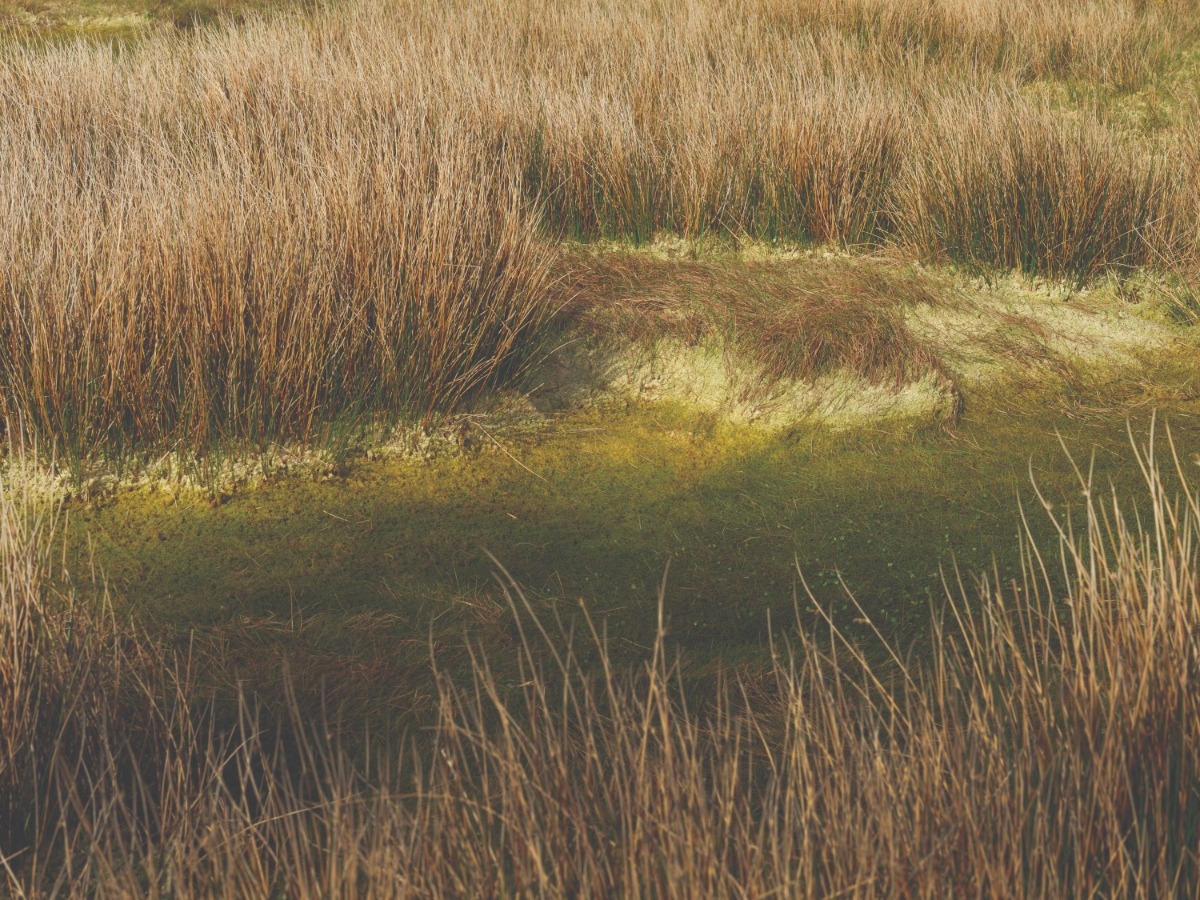
During my visits to the national park, I have been photographing the landscape and using different microphones to record the sounds of wildlife in the area. I layer these photographic elements to bring together different scales of time, from the astronomical, to the momentary nature of a lifetime.
My work has moved from looking into the magnificence of the cosmos, to seeing Earth in my view of space.”
The residency has allowed me to work and collaborate with scientists from UCD, including Professor Padraig Dunne, UCD School of Physics, Dr Edith Kubik, UCD School of Earth Sciences and Professor Lorraine Hanlon, Director of UCD Centre for Space Research (C-Space).
I have also presented a talk about my research at UCD, undertaking informal conversations with scientists before inviting them to contribute their perspectives in the form of an anonymous letter, written whilst looking into the stars. These postcards will be added to my archive of reflections, collected over each chapter of my project.
The question they have been asked is, “How does your knowledge of the scales of time and the ~13.8 billion year concatenation of astronomical and Earth-based events required to create Earth and all its biodiversity, help to shape your understanding of the significance of the climate crisis?”
I am interested in how their knowledge influences their perspective about other questions we might have about Earth and space. Associate Professor Patrick Orr showed me a fossil held by UCD, with the trace of a small, unidentified organism from around 350 million years ago, and it was deeply moving to encounter an individual life from eons ago. We thought about the age of different things in the sky: meteorites, our atmosphere, the Milky Way. Professor Hanlon helped me understand different aspects of astronomy, which revealed new ways of looking at and understanding the night sky in Mayo.
Dr Kubik and Professor Dunne joined me at the cottage in the Wild Nephin National Park for a weekend, where we went on walks, looked at the stars, cooked and talked together about our research, and our thoughts about the climate crisis. It was a brilliant way of bringing different specialisms and lived experience together.
I plan to continue developing this methodology of creating encounters between scientists from different fields in dark sky locations for future projects. The conversations with each of the scientists and rangers have influenced the development of my photography and field recording during the residency.
Next, I will be displaying a soundpiece and the postcard reflections, and presenting a talk at the Mayo Dark Sky Festival in October, and I am continuing my research through other collaborations and writing projects.
As the climate crisis becomes an ever bigger part of our lives, and the lives of other species, it is comforting to know that there are thousands of people working day and night to try and mitigate these changes. How we respond to the knowledge of both the fragility and the value of life on Earth is up to each of us.
■ If you would like to contribute to the archive please get in touch at louise.j.beer@gmail.com, or visit louisebeer.com.